Showing posts with label Emeril Lagasse. Show all posts

Tuesday, December 27, 2016

Andrew Johnson Hoppin' John

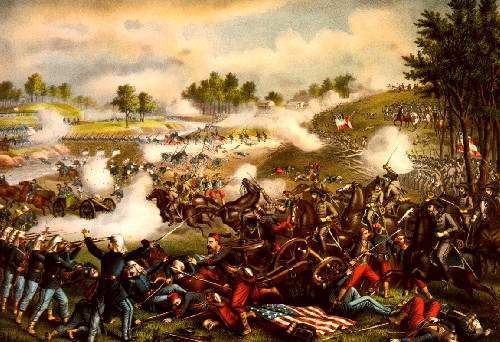
At the end of the Civil War, the South lay in ruins. Southern plantations and entire cities had been destroyed during the war. Without food, many southerners starved to death, and some of those who survived lost everything they owned.

As a result, the government had to figure out how to rebuild the South. As president, Johnson took charge of the first phase of Reconstruction. But his attempt to quickly readmit the former Confederate states into the union and his vetoes of important civil rights bills outraged Radical Republicans in Congress.

The House of Representatives impeached Johnson in 1868, but he was acquitted by a single vote in the Senate, and historians say that his victory “marked the beginning of an ambitious series of receptions, dinners and children’s parties that would turn the last nine months of his term into an ongoing celebration.”


After leaving office, Johnson returned to his native state of Tennessee where he probably consumed such traditional southern foods as Hush Puppies, Benne Wafers, Hoppin’ John and Pine Bark Stew. Still popular in the south, Hoppin' John is often the high point of New Year's Day festivities and is thought to bring good luck and prosperity throughout the coming year.

If you'd like to whip up some Hoppin' John for your New Year's festivities this week, you can't go wrong with this quick and delicious recipe from Emeril Lagasse.


1 tablespoon olive oil
1 large ham hock
1 cup onion, chopped
1/2 cup celery, chopped
1/2 cup green pepper, chopped
1 tablespoon chopped garlic
1 pound black-eyed peas, soaked overnight and rinsed
1 quart chicken stock
1 Bay leaf
1 teaspoon dry thyme leaves
Salt, black pepper, and cayenne
3 tablespoons finely chopped green onion
3 cups steamed white rice

Heat oil in a large soup pot, add the ham hock and sear on all sides for 4 minutes. Add the onion, celery, green pepper, and garlic, and cook for 4 minutes. Add the black-eyed peas, stock, bay leaves, thyme, and seasonings.

Bring to a boil, reduce the heat and simmer for 40 minutes, or until the peas are creamy and tender, stir occasionally. If the liquid evaporates, add more water or stock. Adjust seasonings, and garnish with green onions. Serve over rice and enjoy!

Monday, December 21, 2015

James Buchanan Snickerdoodles

Presiding over the nation during a time of great crisis and strife, James Buchanan is the only president who never had a wife. And while he dined very fine at his many extravagant White House parties, those close to him said that James retained a childhood taste for Scrapple, Confederate Pudding, and Dutch-German cookies called Apees.

Snicker-doodles are another traditional Dutch-German cookie that are usually covered with cinnamon and sugar and baked in the shape of a snail. Some food historians say that their fanciful name comes from the German term Schnecke Knödel which can be translated as “snail dumpling.” Others say that “snicker” comes from the Dutch word snekrad or the German word schnecke, both of which refer to a small, snail-like shape.

Although no one knows who came up with their name, we do know that these sweet, little cookies have been popular in Buchanan's native state of Pennsylvania for centuries. If you'd like to whip up a batch of Snicker-doodles for your holiday celebrations this week, here are two fabulous recipes to try from Trisha Yearwood and Emeril Lagasse:


For the topping:

3 tablespoons sugar
1/2 teaspoon cinnamon

For the cookie dough:

3 1/2 cups flour
1 tablespoon baking powder
2 teaspoons baking soda
1/4 teaspoon salt
1/4 teaspoon cinnamon
1 cup butter
2 cups sugar
2 eggs
1 tablespoon light corn syrup
2 1/2 teaspoons vanilla extract

In a small bowl, stir together the sugar and cinnamon and set aside. To make the cookie dough, stir together the dry ingredients. In a bowl with a paddle attachment, cream the butter. Add the sugar and continue to mix, then add the eggs, corn syrup, and vanilla, and mix thoroughly. Add the dry ingredients and mix until blended. Chill dough 1 hour if it's sticky or difficult to handle.

Preheat oven to 375 degrees F. Roll balls of dough about the size of a walnut then roll in the cinnamon sugar to coat. Place on an ungreased sheet pan 2 1/2 inches apart. Bake for 10 to 12 minutes until puffed up and the surface is slightly cracked. Let cool on the sheet a few minutes then remove to a wire rack to cool.

FOOD FACT: At Buchanan’s Inaugural Reception in 1857, five thousand guests dined on eight rounds of beef, seventy-five hams, sixty saddles of mutton, four saddles of venison, four hundred gallons of oysters, five quarts of jellies, twelve hundred quarts of ice cream, and "pates of infinite variety." The high point of the night was a Pyramid Cake that stood four feet high and was decorated with a flag bearing the insignia of each state. As president, Buchanan’s annual $25,000 salary wasn’t enough to cover his tabs and he often had to pay the bills for his extravagant parties out of his own pocket!

Here's a brief excerpt from my Publishers Marketplace agent profile - and for more on my manuscript wish list and "How to Submit" click here!

Friday, December 27, 2013

Andrew Johnson Hoppin' John

At the end of the Civil War, the South lay in ruins. Southern plantations and entire cities had been destroyed during the war. Without food, many southerners starved to death, and some of those who survived lost everything they owned.

As a result, the government had to figure out how to rebuild the South. As president, Johnson took charge of the first phase of Reconstruction. But his attempt to quickly readmit the former Confederate states into the union and his vetoes of important civil rights bills outraged Radical Republicans in Congress.

The House of Representatives impeached Johnson in 1868, but he was acquitted by a single vote in the Senate. Historians say that Johnson’s victory “marked the beginning of an ambitious series of receptions, dinners and children’s parties that would turn the last nine months of his term into an ongoing celebration.”

After leaving office, Johnson returned to his native state of Tennessee where he probably consumed such traditional southern foods as Benne Wafers, Hoppin’ John and Pine Bark Stew. Still popular in the south, Hoppin' John is often the high point of New Year's Day festivities and is thought to bring good luck throughout the coming year. If you'd like to whip up some Hoppin' John, you can't go wrong with this quick and delicious recipe from Emeril Lagasse.

1 tablespoon olive oil
1 large ham hock
1 cup onion, chopped
1/2 cup celery, chopped
1/2 cup green pepper, chopped
1 tablespoon chopped garlic
1 pound black-eyed peas, soaked overnight and rinsed
1 quart chicken stock
1 Bay leaf
1 teaspoon dry thyme leaves
Salt, black pepper, and cayenne
3 tablespoons finely chopped green onion
3 cups steamed white rice

Heat oil in a large soup pot, add the ham hock and sear on all sides for 4 minutes. Add the onion, celery, green pepper, and garlic, and cook for 4 minutes. Add the black-eyed peas, stock, bay leaves, thyme, and seasonings.

Bring to a boil, reduce the heat and simmer for 40 minutes, or until the peas are creamy and tender, stir occasionally. If the liquid evaporates, add more water or stock. Adjust seasonings, and garnish with green onions. Serve over rice and enjoy!

Monday, June 20, 2011

James Buchanan Snickerdoodles

Presiding over the nation during a time of great strife, James Buchanan is the only president who never had a wife. And while he dined very fine at many White House parties, historians say that James retained a childhood taste for Scrapple, Confederate Pudding, and sweet Dutch-German cookies called Apees.

Snickerdoodles are another traditional Dutch-German cookie that are usually covered with cinnamon and sugar and baked in the shape of a snail. Some food historians say that their fanciful name comes from the German term Schnecke Knödel which can be translated as “snail dumpling.” Others say that “snicker” comes from the Dutch word snekrad or the German word schnecke, both of which refer to a small, snail-like shape.

Although no one knows who came up with their name, we do know that these sweet little sugar cookies have been popular in Buchanan's native state of Pennsylvania for centuries. If you'd like to whip up a batch of Snickerdoodles today, here's a fabulous recipe to try from Emeril Lagasse:

For the topping:

3 tablespoons sugar
1/2 teaspoon cinnamon

For the cookie dough:

3 1/2 cups flour
1 tablespoon baking powder
2 teaspoons baking soda
1/4 teaspoon salt
1/4 teaspoon cinnamon
1 cup butter
2 cups sugar
2 eggs
1 tablespoon light corn syrup
2 1/2 teaspoons vanilla extract

In a small bowl, stir together the sugar and cinnamon and set aside. To make the cookie dough, stir together the dry ingredients. In a bowl with a paddle attachment, cream the butter. Add the sugar and continue to mix, then add the eggs, corn syrup, and vanilla, and mix thoroughly. Add the dry ingredients and mix until blended. Chill dough 1 hour if it's sticky or difficult to handle.

Preheat oven to 375 degrees F. Roll balls of dough about the size of a walnut then roll in the cinnamon sugar to coat. Place on an ungreased sheet pan 2 1/2 inches apart. Bake for 10 to 12 minutes until puffed up and the surface is slightly cracked. Let cool on the sheet a few minutes then remove to a wire rack to cool.

FOOD FACT: At Buchanan’s inaugural reception in 1857, five thousand guests dined on eight rounds of beef, seventy-five hams, sixty saddles of mutton, four saddles of venison, four hundred gallons of oysters, five quarts of jellies, twelve hundred quarts of ice cream, and "pates of infinite variety." The high point of the night was a Pyramid Cake that stood four feet high and was decorated with a flag bearing the insignia of each state. As president, Buchanan’s annual $25,000 salary wasn’t enough to cover his tabs and he often had to pay the bills for his extravagant White House parties out of his own pocket!

Wednesday, August 11, 2010

William Henry Harrison, The Election of 1840 and "Tippicanoe and Burgoo, Too!"

During William Henry Harrison's presidential campaign, hard cider flowed so fast that he became known as the “Hard Cider Candidate.” To feed his many rowdy supporters, Harrison's cooks served an election dish called Burgoo which was made by dropping chopped vegetables into warm squirrel stew.

Hailing his victory over Tecumseh thirty years earlier, Harrison’s supporters came up with the slogan, TIPPICANOE AND TYLER, TOO!” With its shrewd and heavy use of slogans, poems, ditties, and songs, and organized picnics, rallies, bonfires, and parades, the Election of 1840 is considered to be the first modern American presidential campaign!

Of course, the custom of plying potential voters with food and drink has been practiced by politicians since George Washington's day. But it reached its zenith in the campaign of 1840, when Harrison and his lieutenants "wined and dined the populace throughout the West."

The first step, according to historian Poppy Cannon, was to erect a log cabin, then "invite all eligible males to a feast of cornbread, cheese, and hard cider." Little by little, the feasts became more elaborate, "culminating in a spread in Wheeling, West Virginia, in which 30,000 hungry voters were served 360 hams, 20 calves, 1,500 pounds of beef, 1,000 pounds of cheese, 8,000 pounds of bread and 4,500 pounds of Burgoo."

Perfected in Kentucky and popular throughout the western territories, Burgoo was the perfect election dish since it could be easily expanded to feed large crowds simply by adding more water, vegetables and squirrel meat to it. Although squirrel was once deemed essential to this classic American dish, most modern recipes, like this one for Kentucky Burgoo from Emeril Lagasse, call for beef, lamb and chicken.

2 tablespoons vegetable oil
2 pounds boneless beef shank, trimmed of excess fat
2 pound boneless lamb shoulder, trimmed of excess fat
Salt and freshly ground black pepper
2 medium onions, quartered
4 cloves peeled garlic
1 medium fresh hot red pepper, quartered
Water, to cover
1 (3 to 4 pound) whole chicken or hen, cut into 8 pieces
2 cups chopped onions
2 cups medium diced carrots
1 cup medium diced green bell peppers
1 pound baking potatoes, like russets, peeled and medium diced
2 cups peeled, seeded and chopped tomatoes
1/2 pound fresh green beans, strings removed and cut into 2-inch pieces
2 cups fresh corn kernels
2 tablespoons light brown sugar
1 tablespoon finely chopped fresh parsley leaves
Serving suggestions:
8 fresh cornbread muffins, hot
8 fresh biscuits, hot

In a large, heavy pot, over medium heat, add the oil. Season the beef and lamb with salt and pepper. When the oil is hot, sear the meat, in batches, for a couple of minutes on all sides. Add the onions, garlic, cloves, and pepper. Cover with water. (about 3 to 4 quarts). Bring to boil, reduce the heat to medium low, and simmer until tender, about 3 hours.

Season the chicken with salt and pepper. During the last 1 1/2 hours of cooking, add the chicken. Remove the meat, chicken and vegetables from the pan, set aside and cool. Discard the vegetables. Add the remaining vegetables and brown sugar to the pot of hot liquid. Continue to cook for 1 hour.

After the meat has cooled, cube the beef and lamb into 1-inch pieces. Remove the skin and bones from the chicken and discard. Dice the chicken into 1-inch pieces. Add the cubed meat and chicken to the vegetables and continue to cook for 30 minutes. Re-season if necessary. Ladle the stew into serving bowls. Serve with hot cornbread or biscuits. Garnish with parsley.

A LITTLE BACKGROUND: “Tippecanoe and Tyler, Too!” was originally a song written for Harrison and his running mate, John Tyler. Harrison was known as “Old Tippecanoe” for his military victory over the Shawnee chieftan Tecumseh at the Battle of Tippecanoe in 1811. Thirty years later, Whigs used Harrison’s nickname in a campaign song that portrayed Harrison as a “simple, homespun hero” in contrast to the Democratic candidate, Martin Van Buren, who was depicted as a wealthy elitist. Here are some of the lyrics:

Sure, let 'em talk about hard cider
and log cabins too
't'will only help to speed the ball
for Tippecanoe and Tyler too
and with him we'll beat Little Van, Van
Van is a used up man
and with him we'll beat Little Van…


Although Harrison wasn't born in a log cabin, he was the first to use one as a symbol to suggest that he was a man of humble origins. Other candidates followed his example, making the idea of a log cabin (and a non-wealthy background) a recurring theme in presidential elections for the next half century.

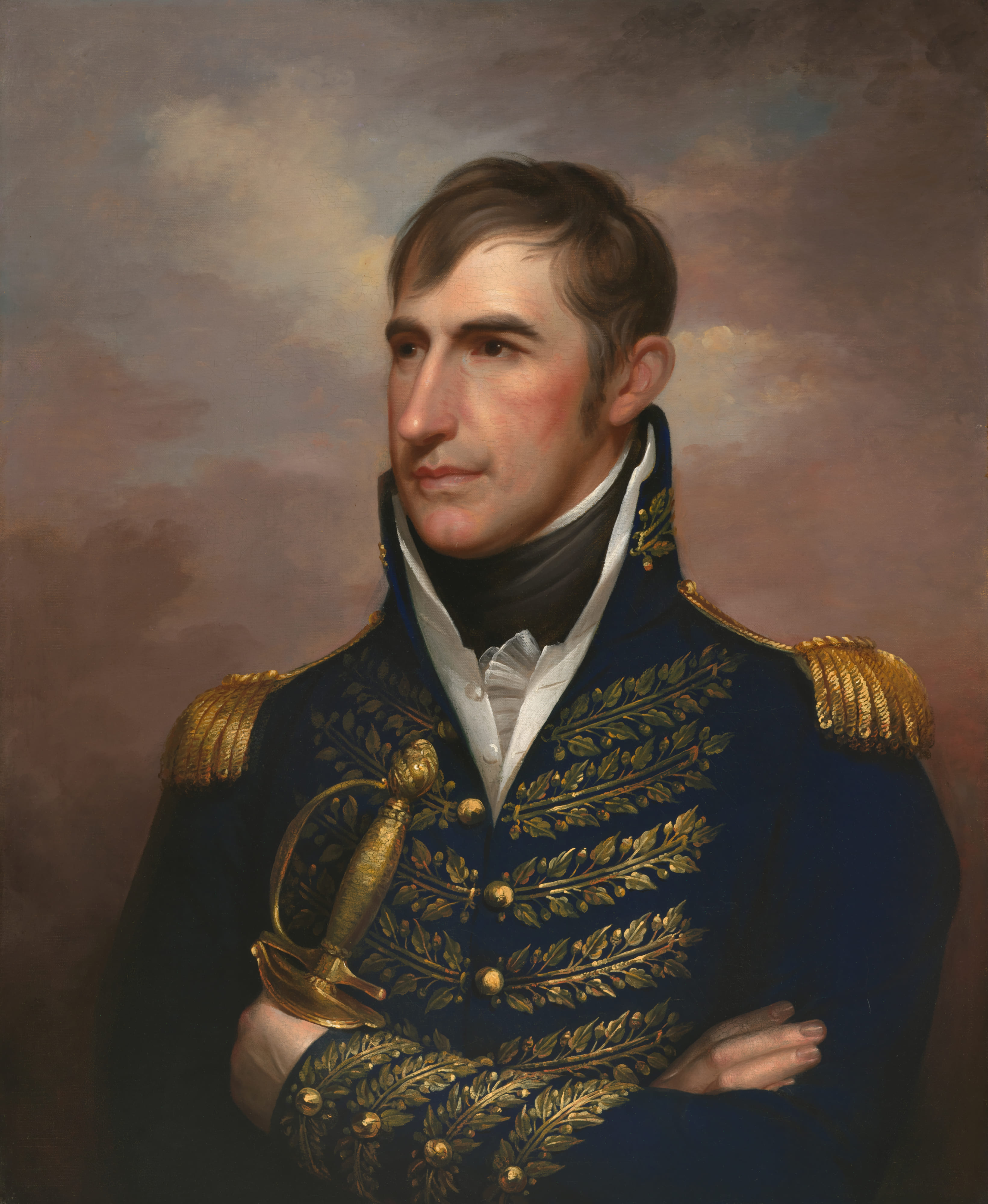
Credit: William Henry Harrison, oil on canvas by Rembrandt Peale (National Portrait Gallery, Smithsonian Institution, Washington D.C.)

Tuesday, July 27, 2010

Zachary Taylor, a Large Bowl of Cherries, and a Pitcher of Iced Milk

After participating in Fourth of July festivities at the Washington Monument on a blistering hot day, Zachary Taylor ate a large bowl of cherries and drank a pitcher of iced milk and suddenly fell ill with a terrible stomach ache. Within five days he was dead.

At the time, the United States was embroiled in the bitter conflict over slavery and many people believed that President Taylor had been poisoned. Today, most historians agree that Taylor died from cholera or acute gastroenteritis, an inflammation of the stomach and gastrointestinal tract.

If Taylor were here with us today, he'd no doubt steer away from anything prepared with cherries. That's totally understandable, but it's no reason for us to do the same, especially when there are so many fabulous recipes for preparing fresh summer cherries, like this one for Cherry Cobbler from Emeril Lagasse:

Filling:

6 cups tart red cherries, pitted
1 1/4 cups sugar
1/4 cup water
4 teaspoons cornstarch

Topping:

1 cup flour
1/4 cup sugar
2 tablespoons brown sugar
1 teaspoon baking powder
1/2 teaspoon cinnamon
3 tablespoons butter
1 egg, beaten
3 tablespoons milk

Preheat oven to 400 degrees F. In a saucepan combine filling ingredients and cook, stirring until bubbling and thickened. Pour into an 8-inch square baking dish. Meanwhile, stir together flour, sugars, baking powder, and cinnamon. Cut in butter until it is crumbly. Mix together egg and milk. Add to flour mixture and stir with a fork just until combined. Drop topping by tablespoonfuls onto filling. Bake for 25 minutes until browned and bubbly.

A LITTLE HISTORY: Before he became president, Zachary Taylor fought in the War of 1812, the Black Hawk War, and the second Seminole War before achieving fame in the Mexican-American War. On February 23, 1847, General Taylor led his troops against General Santa Anna at the Battle of Buena Vista. When "the smoke finally cleared," Taylor's force of 6,000 had defeated a Mexican army of 20,000 and "Old Rough and Ready" was a national hero!

Credit: Oil Portrait of Zachary Taylor by Joseph H. Bush, 1849 (White House Historical Assocation)

Tuesday, July 13, 2010

Andrew Johnson, Presidential Reconstruction, and Southern Hoppin' John

At the end of the Civil War, the South lay in ruins. Southern plantations and entire cities had been destroyed during the war. Without food, many southerners starved to death, and some of those who survived lost everything they owned.

As a result, the government had to figure out how to rebuild the South. As president, Johnson took charge of the first phase of Reconstruction. But his attempt to quickly readmit the former Confederate states into the union and his vetoes of important civil rights bills outraged Radical Republicans in Congress.

The House of Representatives impeached Johnson in 1868, but he was acquitted by a single vote in the Senate. Historians say that Johnson’s victory “marked the beginning of an ambitious series of receptions, dinners and children’s parties that would turn the last nine months of his term into an ongoing celebration.”

After leaving office, Johnson returned to his native state of Tennessee where he probably consumed such traditional southern foods as Hoppin’ John and Pine Bark Stew. Still popular in the south, Hoppin' John is often the high point of New Year's Day festivities and is thought to bring good luck throughout the coming year. If you'd like to whip up some Hoppin' John, you can't go wrong with this quick and simple recipe from Emeril Lagasse.

1 tablespoon olive oil
1 large ham hock
1 cup onion, chopped
1/2 cup celery, chopped
1/2 cup green pepper, chopped
1 tablespoon chopped garlic
1 pound black-eyed peas, soaked overnight and rinsed
1 quart chicken stock
1 Bay leaf
1 teaspoon dry thyme leaves
Salt, black pepper, and cayenne
3 tablespoons finely chopped green onion
3 cups steamed white rice

Heat oil in a large soup pot, add the ham hock and sear on all sides for 4 minutes. Add the onion, celery, green pepper, and garlic, and cook for 4 minutes. Add the black-eyed peas, stock, bay leaves, thyme, and seasonings.

Bring to a boil, reduce the heat and simmer for 40 minutes, or until the peas are creamy and tender, stir occasionally. If the liquid evaporates, add more water or stock. Adjust seasonings, and garnish with green onions. Serve over rice and enjoy!