Showing posts with label White House. Show all posts

Tuesday, December 31, 2024

Andrew Johnson New Year's Day Hoppin John

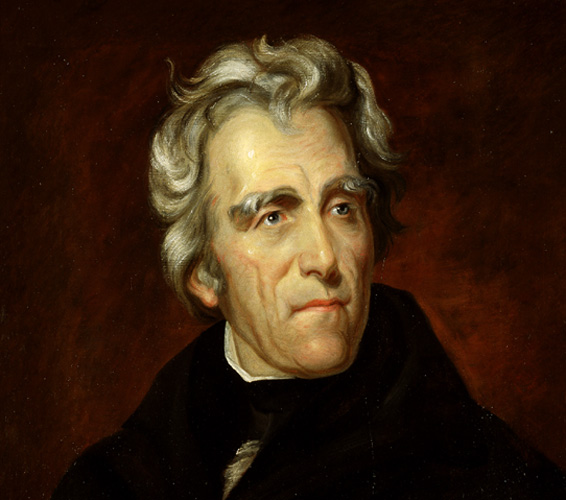
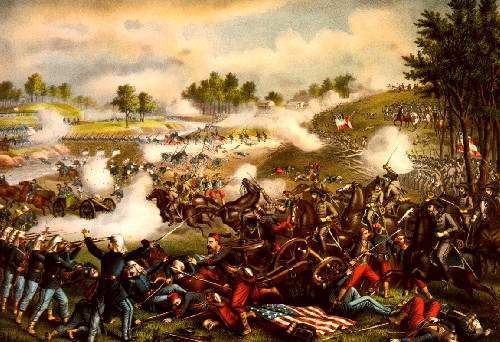
At the end of the Civil War, the South lay in ruins. Southern plantations and entire cities had been destroyed during the war. Without food, many southerners starved to death, and most of those who survived lost just about everything they owned. As a result, the government had to figure out how to rebuild the South.

As president, Andrew Johnson took charge of the first phase of Reconstruction. But his attempt to quickly readmit the former Confederate states into the union and his vetoes of important Civil Rights bills outraged Radical Republicans in Congress.

The House of Representatives impeached Johnson in 1868, but he was acquitted by a single vote in the Senate and historians say that his victory “marked the beginning of an ambitious series of receptions, dinners and children’s parties that would turn the last nine months of his term into an ongoing celebration.”


After leaving office, Johnson returned to his native state of Tennessee where he probably consumed such traditiona southern foods as Hush Puppies, Benne Wafers, Hoppin’ John and Pine Bark Stew. Still popular in the South, Hoppin' John is often the high point of New Year's Day festivities and is thought to bring good luck and prosperity throughout the coming year.

If you'd like to whip up some Hoppin' John for your New Year's festivities this week, you can't go wrong with this quick and delicious recipe from Emeril Lagasse.


1 tablespoon olive oil
1 large ham hock
1 cup onion, chopped
1/2 cup celery, chopped
1/2 cup green pepper, chopped
1 tablespoon chopped garlic
1 pound black-eyed peas, soaked overnight and rinsed
1 quart chicken stock
1 Bay leaf
1 teaspoon dry thyme leaves
Salt, black pepper, and cayenne
3 tablespoons finely chopped green onion
3 cups steamed white rice

Heat oil in a large pot, add ham hock and sear on all sides for 4 minutes. Add the onion, celery, green pepper, and garlic, and cook for 4 minutes. Add the peas, stock, bay leaves, thyme, and seasonings. Bring to a boil, reduce the heat and simmer for 40 minutes, or until the peas are creamy and tender. If the liquid evaporates, add more water or stock. Adjust seasonings and garnish with green onions.

Saturday, December 14, 2024

A Charles Dickens Christmas Dinner

One of the most famous guests to visit the White House during John Tyler’s presidency was the great English writer, Charles Dickens. Upon his arrival in the United States, Dickens was honored at a lavish ball in New York City, where he was greeted by such famous American writers as Washington Irving, Henry Wadsworth Longfellow, Harriet Beecher Stowe and Edgar Allan Poe.

Some days later, Dickens met Tyler in the White House and later penned this about the president:

He looked somewhat worn and anxious, -- and well he might: being at war with everybody, -- but the expression of his face was mild and pleasant, and his manner was remarkably unaffected, gentlemanly, and agreeable. I thought that, in his whole carriage and demeanour, he became his station singularly well.

After returning to England, Dickens wrote his first travel book American Notes. But of all of his books, none are more well-known than A Christmas Carol, which was published in 1843, one year after Dickens visited the White House. Among all of its famous food scenes, none are more memorable than the one depicting the Cratchit family Christmas dinner. Maybe you remember it:


Mrs. Cratchit made the gravy hissing hot; Master Peter mashed the potatoes with incredible vigour; Miss Belinda sweetened up the apple-sauce; Martha dusted the hot plates; Bob took Tiny Tim beside him in a tiny corner at the table; the two young Cratchits set chairs for everybody, not forgetting themselves, and mounting guard upon their posts, crammed spoons into their mouths, lest they should shriek for goose before their turn came to be helped.

At last the dishes were set on, and grace was said. It was succeeded by a breathless pause, as Mrs. Cratchit, looking slowly all along the carving-knife, prepared to plunge it in the breast; but when she did, and when the long expected gush of stuffing issued forth, one murmur of delight arose all round the board, and even Tiny Tim...beat on the table with the handle of his knife, and feebly cried Hurrah!


No recipes are included in the book, of course, but The Food Channel recreated the Cratchit's Christmas dinner and "the more bountiful feast at the merry gathering" at the home of Mr. Scrooge’s nephew. If you'd like to bring some Dickens Christmas spirit to your family dinner this holiday season, here's a recipe for Duchess Potatoes:


3 pounds russet potatoes, peeled and cut into 1-inch pieces
1 cup heavy cream
6 tablespoons unsalted butter, cut into 1/4-inch cubes and softened
1 large egg plus 1 egg yolk, light beaten
1 1/4 teaspoons salt
1/2 teaspoon pepper
Pinch of nutmeg
1/2 teaspoon baking powder

Fill a large pot with cold water, add salt and bring to a boil over high heat. Add the potatoes and boil until tender. While the potatoes are still hot add cream, 3 tablespoons butter, eggs, salt, pepper, nutmeg, and baking powder. Mash the potatoes until smooth. Let cool to room temperature. Gently fold in the remaining butter until pieces are evenly distributed.

Preheat oven to 350°F. Transfer potato mixture to piping bag fitted with 1/2-inch star tip (you can use a gallon size baggie with snipped off corner) and pipe eight 4-inch wide mounds of potatoes on baking sheet. Spray the tops of the potatoes lightly with butter flavored cooking spray and bake until golden brown, about 15 to 20 minutes.

FAST FACT: Oliver Twist is another classic Dickens novel that's filled with many memorable food scenes. Set in England, the main character is a nine-year old orphan in a London workhouse where the boys are given only three meals of gruel a day. When Oliver asks for more, he is dubbed a trouble maker and treated even more cruelly. Oliver Twist called attention to the problem of starving children in England and, to a lesser extent, the United States.

Tuesday, November 26, 2024

A Brief History of the Presidential Turkey Pardon


There are competing claims as to when the White House tradition of "pardoning" a Thanksgiving turkey began. Some say it dates back to the 1860s, when Abraham Lincoln's young son Tad begged his dad to spare the life of a wild turkey named "Jack" that had been sent to the Lincolns to be part of a holiday dinner.

Others claim that the tradition began during Harry Truman's administration. Although it's true that the National Turkey Federation has been providing holiday turkeys to the White House since 1947, when Truman was in office, there's no evidence to prove that this story is true. This is what the Truman Library offered on the issue:

The Truman Library has received many requests over the years for information confirming the story that President Truman "pardoned" a Thanksgiving turkey in 1947, thus initiating a Presidential tradition that continues to this day.

The Library has found no documents, speeches, or other records which refer to Truman pardoning a turkey that he received as a gift in 1947 or any other time during his Presidency. Truman sometimes indicated that the turkeys he received were destined for the family dinner table. In any event, the Library has been unable to determine when the tradition of pardoning the turkey began.


While President Kennedy spared a massive 55-pound turkey on November 19, 1963, just days before his assassination, he didn't use the word "pardon." Instead, the fortunate fowl had a sign around its neck that read, "GOOD EATING, MR. PRESIDENT!" which prompted Kennedy to quip, "Let's just let him keep going."

The first president to actually use the word "pardon" in reference to a holiday turkey was reportedly Ronald Reagan, who deflected questions in 1987 about pardoning Oliver North in the Iran-Contra affair by joking that he would also pardon a turkey named "Charlie," who was already heading to a local petting zoo.


Which brings us to President George H.W. Bush, who was apparently the first president to intentionally "pardon" a turkey. At the National Turkey Presentation Ceremony in 1989, Bush light-heartedly remarked: "Let me assure you, and this fine tom turkey, that he will not end up on anyone's dinner table, not this guy - he's granted a Presidential pardon as of right now - and allow him to live out his days on a children's farm not far from here."

Although it's difficult to confirm exactly when this White House tradition began, we do know where some of the more recently pardoned turkeys have been sent after receiving their presidential reprieves. From 1989 to 2004, the fortunate fowls were sent to live at Frying Pan Farm in Virginia.

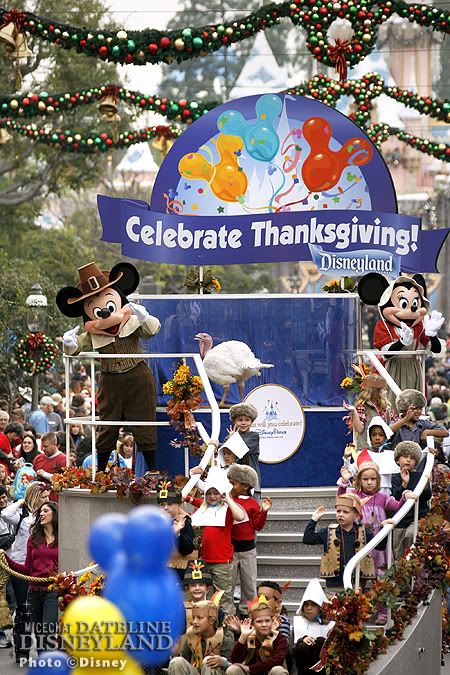
The venue changed in 2005, however, when Disneyland was celebrating its 50th anniversary. That year, a lucky turkey named Marshmallow and his alternate Yam were taken by police escort to the airport and then flown first class to California. According to the Associated Press:

Marshmallow became the Grand Marshal of Disneyland's Thanksgiving parade, and the sign above his float read "The Happiest Turkey on Earth." The turkeys then retired to a coop at the park's Big Thunder Ranch, where three of the pardoned birds...still live. Florida's Disney World got the birds from 2007, when they arrived on a United Airlines flight that was renamed "Turkey One."

In 2010, the venue changed yet again. Instead of being sent to Disneyland, the 21-week-old turkey that President Obama pardoned was sent to live out the rest of his life at George Washington's Mount Vernon Estate in Virginia. Upon its arrival at Mount Vernon, it was reportedly "be driven to his pen in a horse-drawn carriage and be greeted with a trumpet fanfare."


A spokeswoman at Mount Vernon said that it was appropriate that the turkey go to Washington's home since he was the first president to issue a Thanksgiving Proclamation, and he had wild turkeys at Mount Vernon.

Although she didn't say how the Washingtons preferred to serve their Thanksgiving birds, the Mount Vernon Inn has offered a daily lunch menu that includes a "Colonial Turkey Pye" which is described as "a turkey stew served with mixed vegetables and topped with a homemade buttermilk biscuit."

While it might be difficult to obtain a copy of that particular recipe, you can try this quick and simple recipe for Turkey Pot Pie if you need something to do with your leftover turkey this Thanksgiving there's many recipes or this one from Pillsbury.com:


1 sheet frozen puff pastry
1 egg, beaten
1/2 cup milk
2 (11-ounce) cans condensed Cheddar cheese soup
2 (10 3/4-ounce) cans cream of celery soup
1 large turkey skinned, cooked, boned and cubed
2 medium onions, diced
2 cup cooked butternut squash, diced
2 cup cranberries
Salt and pepper

Preheat to 350 degrees F. To make the crust, dust surface with flour. Cut 1 sheet of frozen puff pastry into 1-inch strips, 8 inches long.
On a large cookie sheet, weave strips into a lattice large enough to cover each pot pie. Mix egg and milk together and brush onto each lattice square. Bake for 5 minutes.

Dough will rise and turn light golden brown. Set aside. In a large saucepan heat the soups. Stir in turkey, onion, squash, cranberries, salt and pepper. Bring mixture to a boil. In an oven-proof dish, fill with mixture and top with the pre-cooked lattice square. Bake for 5 minutes until bubbly and puff pastry is deep golden

Tuesday, October 15, 2024

Babe Ruth, Grover Cleveland, and the Debate Over the Name of the Baby Ruth Bar

So did you know that Grover Cleveland's name is associated with a long-standing debate over the name of the Baby Ruth bar? Some people say that this popular candy bar was named after Cleveland's infant daughter Ruth, who was endearingly referred to as "Baby Ruth." Others claim that it was named after the great baseball player Babe Ruth, who hit the peak of his fame shortly after the candy bar was introduced in 1920.

According to Babe Ruth Central, this is how the story goes:

Back in 1916, the Curtiss Candy Company was founded in Chicago. The company's first candy bar was called the "Kandy Kake". The product was not overwhelmingly successful, so Curtiss went about refashioning it. And, in 1920, the "Baby Ruth" candy bar was introduced to candy-craving consumers.

That would be a pretty simple story, if it ended there. But, of course, it didn't. Adults and kids back then, just like today, were confused by the name and thought it was a candy bar related to Babe Ruth. After all, even in 1921, Babe already had gained a lot of fame in the baseball world. He had hit 54 home runs in 1920 and 59 during the 1921 season. These were incredible records at the time and he was in newspapers all over the country. So, for many, Baby Ruth was Babe Ruth's candy.


Despite widespread popular opinion that the candy bar was named after the Babe, the Curtiss Candy Company never swayed from its position that it was named in honor of Cleveland's daughter Ruth.

But...as many commentators have observed, Ruth died of diptheria in 1904, seventeen years "before Curtiss combined nougat, chocolate, caramel and peanuts into its chewy Baby Ruth." Moreover, Grover Cleveland left office in 1897, and, by the time the Baby Ruth bar hit the market in 1920, William McKinley, Theodore Roosevelt, and William Howard Taft had all served as president, and Woodrow Wilson was just finishing his second term.

So why would the Curtiss Company name its candy bar after a long-deceased daughter of a former president? Well, some claimed that the company conveniently concocted the story to avoid having to pay royalties to Babe Ruth, which, if true, would have been illegal and unfair.

Whatever the case may be, the story doesn't end there. In 1926, Babe agreed to lend his name to a new candy bar called "Ruth's Home Run Candy Bar" that was manufactured by the fledgling George H. Ruth Candy Company. In response, the Curtiss Company filed a lawsuit to prevent the rival candy bar from being made, claiming that it infringed on their trademark that had been established in 1919.


In 1931, the Court of Customs and Patent Appeals ruled in favor of the Curtiss Company and George Ruth's Home Run Bar was forced off the market. To support its ruling, the court explained that it was evident that George Ruth was trying to capitalize on his nickname at a time when sales of Baby Ruths were reportedly as high as $1 million a month.

Regardless of the legal outcome of the case, the debate over the name of the Baby Ruth bar continues to this day! And so NOW you know how Grover Cleveland's name became associated with the debate over the name of the Baby Ruth bar!

FAST FACT: So did you know that Grover Cleveland is the only American president to serve two non-consecutive terms. His first term was 1885-1889 and his second term was 1893-1897 which means he was the 22nd and 24th president of the United States. So that's why President Biden is the 46th president even though there have only been 45 different presidents to date!

Thursday, March 28, 2024

A Brief History of the White House Easter Egg Roll

Some historians claim that Dolley Madison originally suggested the idea of a public Easter Egg Roll on White House grounds while others tell stories of egg-rolling parties dating back to Abraham Lincoln's adminstration. What is clear, however, is that beginning in the 1870s local families celebrated Easter Monday on the grounds of the U.S. Capitol, where young children rolled brilliantly colored hard-boiled eggs down the terraced lawn.

This practice ended in 1876, however, when congressmen complained that eggs shells were destroying the grass. To resolve this problem, a group of party-poopers in Congress passed the Turf Protection Act that banned Easter egg rolls from Capital grounds and President Ulysses S. Grant signed the bill into law later that year. Fortunately, thhis fun family tradition was revived in 1878 when Rutherford B. Haye's wife Lucy Hayes invited children of all ages to roll Easter eggs on the White House lawn, a tradition that has continued ever since.

According to this article in Time Magazine:

Some 53,000 people attended the egg roll in 1941...though in modern times the number is generally under 20,000. Calvin Coolidge's wife mingled through crowds while holding a pet raccoon named Rebecca, while Mrs. Warren G. Harding put on the uniform of her beloved Girl Scouts for the event. Showcasing modern technology, Eleanor Roosevelt welcomed crowds and addressed listeners across the country via radio in 1933, while the Clinton administration proudly announced that 1998's egg roll would be the first broadcast on the Internet.

In 2009, the Obamas hosted the 138th annual White House Easter Egg Roll on Monday, March 28, when more than 35,000 people joined them on the South Lawn for games, stories, and, of course, the traditional egg roll.


And while the menu for that year's White House Easter Brunch wasn't released, the Chicago Sun-Times reported that menu items in 2008 included Honey Baked Ham with Maple Mustard Sauce, Eggs Benedict, spinach salad, waffles, sauteed asparagus, biscuits and cheese grits. If you'd like whip up some Eggs Benedict for your Easter Sunday brunch this year, here's a simple and simply delicious recipe to try from the Food Network:


1 teaspoon vinegar
4 eggs
4 thin slices Canadian bacon
2 English muffins

Hollandaise sauce:

3 egg yolks
1 tablespoon hot water
1 tablespoon lemon juice
1 stick unsalted butter, melted and hot
Salt and pepper
Paprika and chopped parsley

In large skillet, bring 2 inches of water and vinegar to a boil. Crack one egg into a glass. Reduce water to a simmer and pour egg into water. Add remaining eggs and cook for 4 minutes. Remove eggs with a slotted spoon and drain. In a non-stick skillet heat the bacon until warm. Toast the English muffins until golden.

For sauce: Place yolks, water and lemon juice into blender. Blend for 1 minute. With blender running, pour butter through open hole of lid. Season with salt and pepper. To assemble: Top each muffin with bacon and a poached egg. Pour the warm sauce over and garnish with paprika and the chopped parsley.

FAST FACT: The Easter Egg Roll was held at the White House every year in the 20th century except during World War I, World War II, and durirng the Truman Renovation of the White House, when it was moved to nearby locations or cancelled. Ronald Reagan and First Lady Nancy Reagan were the first to sign autographed eggs for young children to find and Richard Nixon and First Lady Pat Nixon were the first to include the Easter Bunny in the festivities. Years earlier, First Lady Grace Coolidge made an appearance at the Easter Egg Roll in the 1920s with her famous pet racooon Rebecca!

For more on my manuscript wish list and submission info click here!

Friday, January 13, 2023

Lou Henry Hoover and the First Organized Girl Scout Cookie Drive in 1935!


So did you know that Herbert Hoover’s wife "Lou" served as president of the Girl Scouts and helped coordinate one of the first Girl Scout Cookie Drives in 1935? Sixty five years later, in April of 2000, the Herbert Hoover Presidential Library and Museum held an exhibit entitled, American Women! A Celebration of Our History. One exhibit depicted Lou Hoover’s lifelong commitment to the Girl Scouts. This is how the placard read:

A woman nicknamed "Daisy" started the Girl Scouts of the U.S.A. with 18 girls. And a tomboy called "Lou" helped the organization grow into its current membership of over 3.5 million! Lou Henry grew up enjoying the outdoor life, and was the first women to receive a degree in geology from Stanford. She traveled the world with her husband Herbert Hoover, and assisted him with his mining ventures and famine relief activities.

During World War I she met up with Juliette Low [Daisy], and was a Girl Scout for the next 25 years. As First Lady and national leader of the Girl Scouts, Hoover quietly aided people in need during the Depression, and was also the first to desegregate White House social functions.

Lou remained a Scout the rest of her life and led the first Girl Scout cookie drive in 1935. Juliette Low and Lou Henry Hoover brought together girls from the North and South, wealthy and poor, black and white, athletic and handicapped – instilling confidence that all women can develop their potential to be whatever they wish to be.


In the 1920s and 1930s, Girl Scouts all across the country baked their own simple sugar cookies with their mothers. They then packaged their coookies in wax paper bags sealed with a sticker and sold them door-to-door for 25 to 35 cents a dozen.


Today, of course, there is a wide array of commercially baked Girl Scouts cookies to choose from, including such traditional favorites as Samoas, Tagalongs, Trefoils, and Thin Mints! If you'd like to whip up a batch of cookies with your kids today, here's the original recipe for Early Girl Scout Cookies® from The Girl Scouts of the United States of America.


1 cup butter
1 cup sugar plus additional amount for topping (optional)
2 eggs
2 tablespoons milk
1 teaspoon vanilla
2 cups flour
1 teaspoon salt
2 teaspoons baking powder

Cream butter and the cup of sugar; add well-beaten eggs, then milk, vanilla, flour, salt, and baking powder. Refrigerate for at least 1 hour. Roll dough, cut into trefoil shapes, and sprinkle sugar on top, if desired. Bake in a quick oven (375°) for approximately 8 to 10 minutes or until the edges begin to brown. Makes six- to seven-dozen cookies.

For more on my manuscript wish list click here!

Tuesday, November 8, 2022

The Election of 1828 and Andrew Jackson's First Inaugural Orange Whiskey Punch


When Andrew Jackson was inaugurated on March 4, 1829, it was like "the homecoming of a hero" as twenty thousand of his loyal supporters, who believed he had been cheated out of the White House four years earlier, converged upon Washington, eager to celebrate the long-delayed victory of their champion.

According to food historian Poppy Cannon, Jackson's inauguration "sparked a celebration that did everything but set fire to the White House." Thousands of rowdy fans poured into the building and "little thought was given to the delicate French furniture, elegant draperies, and fine china" as ice cream, punch, cakes and ices were gobbled up as fast they appeared on long serving tables."

In a letter to her sister, Margaret Bayard Smith, a prominent Washington socialite, described the chaos of Jackson's inaugural festivities this way:

But what a scene did we witness! The Majesty of the People had disappeared, and a rabble, a mob, of boys, women, children, scrambling fighting, romping. What a pity, what a pity! No arrangements had been made, no police officers placed on duty, and the whole house had been inundated by the rabble mob...

Cut glass and china to the amount of several thousand dollars had been broken in the struggle to get the refreshments, punch and other articles had been carried out in tubs and buckets, but had it been in hogsheads it would have been insufficient...

Ladies fainted, men were seen with bloody noses, and such a scene of confusion took place as is impossible to describe…This concourse had not been anticipated...Ladies and gentlemen only had been expected at this Levee, not the people en masse. But it was the People's day, and the People's President, and the People would rule!


Another observer described the day's events this way:

Orange-punch by barrels full was inside, but as the waiters opened the door to bring it out, a rush would be made, the glasses broken, the pails of liquor upset, and the most painful confusion prevailed. To such a degree was this carried, that tubs of punch were taken from the lower story into the garden to lead off the crowds from the rooms.

Although no one knows exactly how those quick-thinking waiters prepared the punch that day, a writer for The Wall Street Journal scoured some ninteeenth century cookbooks and provided this recipe for Inaugural Orange Punch that's easy to make by the bucketful if you've got a mob to entertain on election day!

3 parts fresh orange juice
1 part fresh lemon juice
1 part Mulled Orange Syrup*
1 part dark rum
1 part cognac
2 parts soda water

Mulled Orange Syrup: Combine 1 cup sugar with 1 cup water and heat to a boil, stirring to dissolve the sugar. Reduce heat to a low simmer. Add the peel from an orange and mulling spices (a couple of cinnamon sticks, some whole cloves and allspice berries). After 15 minutes, remove from heat and let it sit for several hours. Strain.

Combine Mulled Orange Syrup and all other ingredients in a punch bowl with a large block of ice. Serve in punch cups with a little crushed ice. Add a dash of Angostura bitters to each glass and enjoy!

Wednesday, February 8, 2017

John Quincy Adams, the Corrupt Bargain, and the Art of Dinner Conversation


When John Quincy Adams took the oath of office in 1825, it was under a cloud of controversy. The election of 1824 had been a bitterly contested four-man race between Andrew Jackson, Henry Clay, William Crawford, and Adams. Since no candidate won a majority of electoral votes, the election was thrown into the House of Representatives where Clay, as Speaker of the House, threw his support to Adams, even though Jackson won the most popular and electoral votes.

Adams then quickly appointed Clay as Secretary of State. Outraged and feeling cheated out of the White House, Jackson and his supporters called the deal a “Corrupt Bargain to "cheat the will of the people."”

With these accusations hanging over his head, Adams faced problems from the start. Aware of the fact that “two-thirds of the whole people” did not want him to be president, Adams promised in his Inaugural Address to make up for his lack of support with “a heart devoted to the welfare of our country.”

But his four years in office weren't easy ones. Although his intelligence, family background and experience should have made him a great president, John lacked the charisma needed to create a base of loyal supporters.


Nevertheless, he and his wife Louisa hosted many dinner parties at the White House, as required. But his cold personality had a chilling effect on others and guests seated near the president at dinner often said that he had a hard time engaging in casual conversation. Aware of his inability to make small talk, John wrote this in his diary:

I went out this evening in search of conversation, an art of which I never had an adequate idea. Long as I have lived in the world, I never have thought of conversation as a school in which something was to be learned. I never knew how to make, control, or to change it.

I am by nature a silent animal, and my dear mother’s constant lesson in childhood, that children should be seen and not heard, confirmed me irrevocably in what I now deem a bad habit. Conversation is an art of the highest importance, a school in which, for the business of life, more may perhaps be learnt than from books. It…consists more in making others talk than in talking. Therein has been, and ever will be, my deficiency – the talent of starting the game.


Like his dad, John Quincy was a very intelligent man, but he lacked personal warmth and his critics called him “a chip off the old iceberg!”

FAST FACT: Adams’ policies favoring a strong federal government angered many southern slave holders who feared that that any expansion of federal power might interfere with slavery. His Indian policies also cost him supporters. Like Jefferson and Monroe, Adams wanted to remove Native Americans west of the Mississippi River, but believed that the government should honor and uphold Indian treaties and purchase (rather than forcibly or fraudulently take) Indian lands.

Tuesday, December 6, 2016

A Charles Dickens Christmas Dinner

One of the most famous guests to visit the White House during John Tyler’s presidency was the great English writer, Charles Dickens. Upon his arrival in the United States, Dickens was honored at a lavish ball in New York City, where he was greeted by such famous American writers as Washington Irving, Henry Wadsworth Longfellow, Harriet Beecher Stowe and Edgar Allan Poe. Some days later, Dickens met Tyler in the White House and later penned this about the president:

He looked somewhat worn and anxious, -- and well he might: being at war with everybody, -- but the expression of his face was mild and pleasant, and his manner was remarkably unaffected, gentlemanly, and agreeable. I thought that, in his whole carriage and demeanour, he became his station singularly well.

After returning to England, Dickens wrote his first travel book American Notes. But of all of his books, perhaps none are more well-known than A Christmas Carol, which was published in 1843, one year after Dickens visited the White House. Among all of its famous food oriented scenes, none are more memorable than the one depicting the Cratchit family Christmas dinner. Maybe you remember it:


Mrs. Cratchit made the gravy (ready beforehand in a little saucepan) hissing hot; Master Peter mashed the potatoes with incredible vigour; Miss Belinda sweetened up the apple-sauce; Martha dusted the hot plates; Bob took Tiny Tim beside him in a tiny corner at the table; the two young Cratchits set chairs for everybody, not forgetting themselves, and mounting guard upon their posts, crammed spoons into their mouths, lest they should shriek for goose before their turn came to be helped.

At last the dishes were set on, and grace was said. It was succeeded by a breathless pause, as Mrs. Cratchit, looking slowly all along the carving-knife, prepared to plunge it in the breast; but when she did, and when the long expected gush of stuffing issued forth, one murmur of delight arose all round the board, and even Tiny Tim, excited by the two young Cratchits, beat on the table with the handle of his knife, and feebly cried Hurrah!


No recipes are included in the book, of course, but The Food Channel recently recreated the Cratchit's Christmas dinner and "the more bountiful feast at the merry gathering" at the home of Mr. Scrooge’s nephew. If you'd like to bring some of Dickens' Christmas spirit to your family dinner this holiday season, here's a fabulous recipe for Duchess Potatoes:


3 pounds russet potatoes, peeled and cut into 1-inch pieces
1 cup heavy cream
6 tablespoons unsalted butter, cut into 1/4-inch cubes and softened
1 large egg plus 1 egg yolk, light beaten
1 1/4 teaspoons salt
1/2 teaspoon pepper
Pinch of nutmeg
1/2 teaspoon baking powder

Fill a large pot with cold water, add salt and bring to a boil over high heat. Add the potatoes and boil until tender. While the potatoes are still hot add cream, 3 tablespoons butter, eggs, salt, pepper, nutmeg, and baking powder. Mash the potatoes until smooth. Let cool to room temperature. Gently fold in the remaining butter until pieces are evenly distributed.

Preheat oven to 350°F. Transfer potato mixture to piping bag fitted with 1/2-inch star tip (you can use a gallon size baggie with snipped off corner) and pipe eight 4-inch wide mounds of potatoes on baking sheet. Spray the tops of the potatoes lightly with butter flavored cooking spray and bake until golden brown, about 15 to 20 minutes.

FAST FACT: Oliver Twist is another classic Dickens novel that's filled with many memorable food-related scenes. Set in England, the main character is a nine-year old orphan in a London workhouse where the boys are given only three meals of thin gruel a day. When Oliver asks for more, he is dubbed a trouble maker and treated even more cruelly. Oliver Twist called attention to the problem of poor and starving children in England and, to a lesser extent, the United States.

Wednesday, November 30, 2016

Dolley Madison's Wednesday Squeezes


When James Madison and his wife Dolley moved into the President's House, she decided that the place could use some sprucing up and the room that Thomas Jefferson had used as an office soon became the State Dining Room. The adjacent parlor (today’s Red Room) was "redecorated in sunflower yellow, with sofas and chairs to match" and, one room over, the smaller but more formal elliptical salon was "decorated in the Grecian style with elegant cream-colored walls."

Together, these three rooms with their interconnecting doors became the venue for Dolley Madison’s legendary “Drawing Rooms,” or "Wednesday Squeezes," which often attracted as many as three hundreds guests and were the most popular social event in town!

Dressed in brightly colored satins or silks and often donning a feathered headpiece or bejeweled turban, Dolley cheerfully greeted and mingled with guests as they enjoyed a festive evening of refreshments, music, and lively conversation. Mrs. Madison also presided over elaborate dinner parties where she delighted guests with such unusual dessert items as pink pepperment ice cream baked in warm pastries.


The Madisons continued to entertain this way until "their brilliant social whirlwind" went up in flames during the War of 1812. On August 24, 1814, while James was away getting a report on the war, Dolley was supposedly awaiting forty dinner guests. Around three o’clock, word was received that British troops had defeated American forces at nearby Blandensburg and were marching toward the capital.

Before fleeing to safety, Dolley quickly gathered what she could, including important documents of her husband’s and Gilbert Stuart’s famous portrait of George Washington. When British soldiers entered the Executive Mansion later that day, they supposedly devoured the lavish dinner that had been left behind. They then piled up furniture, scattered oil-soaked rags in all of the rooms, and lit the President’s House afire!

Although the British quickly evacuated the capital, the months that followed weren't happy ones for the Madisons as many Americans criticized them for abandoning the President’s House and “allowing the destruction of the most visible symbol of the young republic.”

At their temporary residence, Dolley eventually hosted her Wednesday Squeezes again, but “the spirit was gone.” Then came word of General Andrew Jackson’s brilliant victory over the British in the Battle of New Orleans and the mood of the country was again jubilant. Although a peace treaty had been signed weeks earlier, the Battle of New Orleans transformed “Mr. Madison’s War” (which had been condemned as an unnecessary folly) into “a glorious reaffirmation of American independence."

Thursday, June 30, 2016

Zachary Taylor, A Large Basket of Cherries, and Two Pitchers of Iced Milk

After participating in Fourth of July festivities at the Washington Monument on a blistering hot day, Zachary Taylor devoured a large basket of cherries and downed two pitchers of iced milk and suddenly fell ill with a terrible stomach ache. Five days later, he was dead.

At the time, the United States was embroiled in the bitter conflict over slavery and many people believed that  Taylor had been poisoned. Today, most historians agree that he died from cholera or acute gastroenteritis, an inflammation of the stomach and gastrointestinal tract.

Either way, if Taylor were here with us today, he'd no doubt steer away from anything prepared with cherries. That's understandable, but it's no reason for us to do the same, especially when there are so many fabulous recipes for preparing fresh sweet and sour summer cherries, like this one for Cherry Cobbler from Emeril Lagasse or this one from tinynewyorkkitchen.com :


Filling:

6 cups tart red cherries, pitted
1 1/4 cups sugar
1/4 cup water
4 teaspoons cornstarch

Topping:

1 cup flour
1/4 cup sugar
2 tablespoons brown sugar
1 teaspoon baking powder
1/2 teaspoon cinnamon
3 tablespoons butter
1 egg, beaten
3 tablespoons milk

Preheat oven to 400 degrees F. In a saucepan combine filling ingredients and cook, stirring until bubbling and thickened. Pour into an 8-inch square baking dish. Meanwhile, stir together flour, sugars, baking powder, and cinnamon. Cut in butter until it is crumbly. Mix together egg and milk. Add to flour mixture and stir with a fork just until combined. Drop topping by tablespoonfuls onto filling. Bake for 25 minutes until browned and bubbly.

A LITTLE HISTORY: Before he became president, Taylor fought in the War of 1812, the Black Hawk War, and the second Seminole War before achieving fame in the Mexican-American War. On February 23, 1847, Taylor led his troops against General Santa Anna at the Battle of Buena Vista. When the smoke finally cleared, Taylor's force of 6,000 had defeated a Mexican army of 20,000 and "Old Rough and Ready" was a national hero!


Credit: Oil Portrait of Zachary Taylor by Joseph Henry Bush, 1849 (White House Historical Assocation)

Thursday, April 7, 2016

Teddy Roosevelt, a Brooklyn Candy Shop Owner, and the Creation and Naming of the Teddy Bear


So did you know that the Teddy Bear was invented in honor of President Theodore Roosevelt? It all began when he went on a four-day bear hunting trip in Mississippi in November of 1902. Although Roosevelt was known as an experienced big game hunter, he had not come across a single bear on that particular trip.

According to historians at the National Park Service:

Roosevelt’s assistants, led by Holt Collier, a born slave and former Confederate cavalryman, cornered and tied a black bear to a willow tree. They summoned Roosevelt and suggested that he shoot it. Viewing this as extremely unsportsmanlike, Roosevelt refused to shoot the bear.

The news of this event spread quickly through newspaper articles across the country. The articles recounted the story of the president who refused to shoot a bear. However, it was not just any president, it was Theodore Roosevelt the big game hunter!


So that's how Roosevelt's name became associated with a bear. But the story doesn't end there because when a political cartoonist named Clifford Berryman read reports about the incident, he decided to lightheartedly lampoon it. Then, when a Brooklyn candy shop owner by the name of Morris Michton saw Berryman’s cartoon in the Washington Post on November 16, 1902, he came up with a brilliant marketing idea.


You see, Michtom's wife Rose was a seamstress and made stuffed animals at their shop, and so he asked her to make a stuffed toy bear that resembled Berryman's drawing. He then showcased his wife's cute cuddly creation in the front window of their shop along with a sign that read "Teddy's Bear."

After receiving Roosevelt’s permission to use his name, Michtom began mass producing the toy bears which became so popular that he launched the Ideal Novelty and Toy Company, and, by 1907, more than a million of the cuddly bears had been sold in the United States. And so NOW you know how Theodore Roosevelt, a political cartoonist and a Brooklyn candy shop owner led to the creation and naming of the Teddy Bear!

Now...I'm guessing that you probably don't want to feast on a juicy bear steak like those that Roosevelt and his fellow hunters enjoyed, but you might like these cute Teddy Bear Cupcakes that are fun to make and great to serve at children's birthday parties and play dates.


1 box Betty Crocker® SuperMoist® yellow cake mix
1 cup water
1/2 cup creamy peanut butter
3 eggs
1 container Betty Crocker® Whipped chocolate frosting
1/3 cup miniature semisweet chocolate chips
48 teddy bear-shaped graham snacks

In large bowl, beat cake mix, water, peanut butter and eggs with electric mixer on low speed 30 seconds. Beat on medium speed 2 minutes, scraping bowl occasionally. Divide batter evenly among muffin cups. Bake 13 to 18 minutes or until toothpick inserted in center comes out clean and tops spring back when touched lightly in center. Cool 10 minutes. Remove from pan to cooling rack. Cool completely, about 30 minutes.

Reserve 1/4 cup of the frosting. Spread remaining frosting over tops of cupcakes. Sprinkle each cupcake with 1/2 teaspoon of chocolate chips; press gently into frosting. Spread about 1/2 teaspoon reserved frosting on flat sides of 2 graham snacks. Place on cupcakes, pressing candles slightly into cupcakes to hold in place.

For a free sample of The Presidents' Favorite Foods and Drinks, click here

Wednesday, April 6, 2016

James Polk, the Treaty of Guadalupe Hidalgo, and Food on the Range

So did you know that in 1848 James Polk signed the Treaty of Guadalupe Hidalgo which ended the Mexican-American War and gave most of present-day Texas, New Mexico, Arizona, Colorado, California, Wyoming, and Utah to the United States?

With the addition of these vast tracts of land, more and more cowboys headed to the southwest, where they herded cattle north to market and sold them for beef. As they galloped along, cowboys would sing songs about food like "Trouble for the Range Cook" and "Starving to Death on My Government Claim."

"Git Along Little Dogies" is another classic cowboy tune. In it, a cowboy tells the dogies (the calves in the herd) that it’s their misfortune (and none of his own) that they will soon be sold at market. Maybe you’ve heard it!

As I walked out this morning for pleasure,
I met a cowpuncher a jogging along;
his hat was throwed back and his spurs was a jingling,
and as he advanced he was singing this song.

Yippee ti yi yo, get along little dogies
It's your misfortune and none of my own
Yippee ti yi yo get along little dogies
For you know that Wyoming will soon be your home...


It's early in spring that we round up the dogies,
And mark 'em and brand 'em and bob off their tails;
We round up our horses and load the chuckwagon,
And then throw them dogies out onto the trail.

Whoopee ti yi yo, git along, little dogies,
It's your misfortune And none of my own;
Whoopee ti yi yo, Git along, little dogies,
You know that Wyoming will be your new home.


As cowboys drove cattle north, cooks drove Chuck Wagons (which carried all of the food and supplies for meals) ahead of the herds to set up camp for the night. Meals on the range typically consisted of beef, hash, beans, chili peppers, coffee, biscuits, sugar, and dried fruit.


Like cowboys, cooks would sing snappy tunes about food while working hard on the range. In “Punchin’ Dough” am exhausted, overworked cook tells some bothersome and ungrateful cowboys that cooking is just as demanding as herding cattle (you can listen to it here ):

Come, all you young waddies, I'II sing you a song
Stand back from the wagon, stay where you belong
I've heard you complaining' I'm fussy and slow,
While you're punchin' the cattle and I'm punchin' dough.

Now I reckon your stomach would grow to your back
If it was'n't for the cook that keeps fillin' the slack
With the beans in the box and the pork in the tub
I'm a-wonderin' now, who would fill you with grub?

When you're cuttin' stock, then I'm cuttin' a steak,
When you're wranglin' hosses, I'm wranglin' a cake.
When you're hazin' the dogies and battin' your eyes,
I'm hazin' dried apples that aim to be pies…


Meanwhile, as cowboys were devouring biscuits and beans on the range, President Polk was dining on fancy French cuisine at the White House. But Polk was no stranger to grub. As a boy growing up on the frontier, he reportedly ate Black Bear Steak and Barbecued Deer. Like other frontier folk, basic country fare, like Tenesseee Ham and Corn Pone, was what pleased Polk the most!

If you'd like to wrangle up some corn pone, here's a simple recipe to try:

1 tablespoon of shortening
3/4 cup of boiling water
1 cup yellow corn meal
1 teaspoon of salt

Melt shortening in heavy 8 or 9-inch skillet. Heat water to boiling point and pour immediately over corn meal and salt. Add melted shortening; stir to blend well. As soon as mixture has cooled enough to handle, divide into four equal portions. Shape each portion into a pone about 3/4 inch thick by patting between the hands. Place in pan and bake at 450°F for about 50 minutes or until golden brown. Serve warm and enjoy!

For more on my manuscript wish list and submission info click here!

Friday, March 11, 2016

Richard Nixon, Elvis Presley, and Deep Fried Peanut Butter, Bacon and Banana Sandwiches

Of all the requests made each year to the National Archives for reproductions of photographs and documents, one item has been requested more than any other. That item, more requested than the Bill of Rights or even the Constitution of the United States, is the photograph of Elvis Presley and Richard Nixon shaking hands on the occasion of Presley's visit to the White House on June 23, 1970.

That most unlikley of meetings was initiated by Presley, who, according to historians at the the National Archives, sent Nixon a hand-written letter requesting a visit with the president and suggesting that he be secretly appointed a "Federal-Agent-at-Large" in the Bureau of Narcotics and Dangerous Drugs. This is what Elvis wrote:

Dear Mr. President

First, I would like to introduce myself. I am Elvis Presley and admire you and have great respect for your office. I talked to Vice President Agnew in Palm Springs three weeks ago and expressed my concern for our country. The drug culture, the hippie elements, the SDS, Black Panthers, etc. do NOT consider me as their enemy or as they call it The Establishment. I call it America and I love it. Sir, I can and will be of any service that I can to help The Country out.

So I wish not to be given a title or an appointed position. I can and will do more good if I were made a Federal Agent at Large and I will help out by doing it my way through my communications with people of all ages. First and foremost, I am an entertainer, but all I need is the Federal credentials...

I am Glad to help just so long as it is kept very Private. You can have your staff or whomever call me anytime today, tonight, or tomorrow. I was nominated this coming year one of America's Ten Most Outstanding Young Men. That will be in January 18 in my home town of Memphis, Tennessee. I am sending you the short autobiography about myself so you can better understand this approach. I would love to meet you just to say hello if you're not too busy.

Respectfully,
Elvis Presley


Other than their brief meeting at the White House, Nixon and Elvis seemed to have little in common, with the exception of a deep love of their country and some rather unusual cravings and tastes. Nixon, for example, reportedly liked to slather ketchup on cottage cheese, and Elvis liked to eat such things as Fried Dill Pickles, Gelatin made with a Shasta Drink, and Peanut Butter and Banana Sandwiches Fried in Bacon Grease.

According to an article in the New York Times, the King also had strange late-night cravings for Coconut Flakes with Mini Marshmallows; Peanut Butter and Cheese on Wonder Bread; Fool's Gold Loaf, which was a hollowed-out loaf of bread stuffed with a jar of peanut butter, a jar of grape jelly, and a pound of fried bacon; and "a version of the Fluffer Nutter, with peanut butter, bananas, Marshmallow Fluff and Wonder Bread rolled in crushed peanuts!"

While these concoctions might make even the most seasoned junk-food junkies reach for their TUMS, this recipe for Elvis Presley's Fried Peanut Butter Sandwich from Nigella Lawson is a slightly healthier alternative and might be worth trying "If You're Hungry Tonight."

2 slices white bread
2 tablespoons butter
1 small ripe banana
2 tablespoons creamy peanut butter

Place 2 pieces of white bread in the toaster. Heat skillet over medium heat with 2 tablespoons butter. While the bread is toasting, in a small bowl, using a fork mash the ripe banana until it reaches a smooth consistency.

Using a knife, take both pieces of the toasted bread and spread 2 tablespoons of creamy peanut butter, topping 1 side with the mashed banana. Place 1 slice of bread on top of the other forming a sandwich. Place sandwich in hot skillet browning each side, flipping with a spatula, about 2 minutes per side. Take out of skillet, slice on a diagonal and serve on a plate.

Monday, December 21, 2015

James Buchanan Snickerdoodles

Presiding over the nation during a time of great crisis and strife, James Buchanan is the only president who never had a wife. And while he dined very fine at his many extravagant White House parties, those close to him said that James retained a childhood taste for Scrapple, Confederate Pudding, and Dutch-German cookies called Apees.

Snicker-doodles are another traditional Dutch-German cookie that are usually covered with cinnamon and sugar and baked in the shape of a snail. Some food historians say that their fanciful name comes from the German term Schnecke Knödel which can be translated as “snail dumpling.” Others say that “snicker” comes from the Dutch word snekrad or the German word schnecke, both of which refer to a small, snail-like shape.

Although no one knows who came up with their name, we do know that these sweet, little cookies have been popular in Buchanan's native state of Pennsylvania for centuries. If you'd like to whip up a batch of Snicker-doodles for your holiday celebrations this week, here are two fabulous recipes to try from Trisha Yearwood and Emeril Lagasse:


For the topping:

3 tablespoons sugar
1/2 teaspoon cinnamon

For the cookie dough:

3 1/2 cups flour
1 tablespoon baking powder
2 teaspoons baking soda
1/4 teaspoon salt
1/4 teaspoon cinnamon
1 cup butter
2 cups sugar
2 eggs
1 tablespoon light corn syrup
2 1/2 teaspoons vanilla extract

In a small bowl, stir together the sugar and cinnamon and set aside. To make the cookie dough, stir together the dry ingredients. In a bowl with a paddle attachment, cream the butter. Add the sugar and continue to mix, then add the eggs, corn syrup, and vanilla, and mix thoroughly. Add the dry ingredients and mix until blended. Chill dough 1 hour if it's sticky or difficult to handle.

Preheat oven to 375 degrees F. Roll balls of dough about the size of a walnut then roll in the cinnamon sugar to coat. Place on an ungreased sheet pan 2 1/2 inches apart. Bake for 10 to 12 minutes until puffed up and the surface is slightly cracked. Let cool on the sheet a few minutes then remove to a wire rack to cool.

FOOD FACT: At Buchanan’s Inaugural Reception in 1857, five thousand guests dined on eight rounds of beef, seventy-five hams, sixty saddles of mutton, four saddles of venison, four hundred gallons of oysters, five quarts of jellies, twelve hundred quarts of ice cream, and "pates of infinite variety." The high point of the night was a Pyramid Cake that stood four feet high and was decorated with a flag bearing the insignia of each state. As president, Buchanan’s annual $25,000 salary wasn’t enough to cover his tabs and he often had to pay the bills for his extravagant parties out of his own pocket!

Here's a brief excerpt from my Publishers Marketplace agent profile - and for more on my manuscript wish list and "How to Submit" click here!

Wednesday, November 4, 2015

Ronald Reagan's Inaugural Jelly Beans

So, did you know that shortly after Ronald Reagan became Governor of California in 1967, he began eating pectin jelly beans to help him quit smoking. When a new brand of jelly beans, called Jelly Belly beans, appeared on the market in 1976, he quickly switched to them and would often enthusiastically share them with his Cabinet, staff, and visiting officials.

Reagan enjoyed these sweet little treats SO much that he later sent a letter to the chief executive of the company that produced them, stating, "we can hardly start a meeting or make a decision without passing around the jar of jelly beans."

Even after he became president, Reagan's fondness for Jelly Bellies didn't diminish, and large colorful jars of them were often prominently displayed on his desk in the Oval Office, in the Cabinet Room, and even on Air Force One!!


When Jelly Bellies first appeared on the market, there were only eight flavors: Very Cherry, Lemon, Cream Soda, Tangerine, Green Apple, Root Beer, Grape, and Licorice, which was reportedly President Reagan's favorite.

Since then, there have been hundreds of official flavors to choose from, including Bubble Gum, Buttered Popcorn, Cappuccino, Caramel Corn, Chili Mango, Chocolate Pudding, Cotton Candy, Green Apple, Kiwi, Juicy Pear, Lemon Drop, Margarita, Orange Sherbet, Piña Colada, Pomegranate, Raspberry, Sizzling Cinnamon, Strawberry Cheesecake, Toasted Marshmallow, Top Banana, Tutti-Fruitti, Very Cherry, Wild Blackberry, and Watermelon.

Of course, jelly beans taste great alone, but they can also be used in cookies, cakes, and in this official recipe for Jelly Belly Pudding Parfait:

1 5.1 ounce package vanilla instant pudding mix
1 3.4 ounce package butterscotch flavor instant pudding mix
5 cups milk
2 ounces Jelly Bellies (your choice)
8 fan wafer cookies

Directions: Select serving of parfait glasses that hold 3/4 to 1 cup capacity. In two separate bowls, prepare pudding mixes according to package directions. Fill glasses with alternating layers of vanilla and butterscotch pudding. Chill 5-10 minutes. Garnish parfaits with Jelly Belly beans on top and a fan wafer if desired.

FOOD FACT: In 1981, three-and-a-half tons of Jelly Belly beans were shipped to Washington, D.C. for Ronald Reagan’s inauguration. Blueberry, one of the most popular flavors today, was developed so there would be patriotic red, white and blue jelly beans at the festivities.

FAST FACT: In addition to official flavors, the Jelly Belly Company produces "rookie" flavors that might be added to the roster if they become popular enough. Some somewhat curious and, um, questionable flavors have included Baked Bean, Bloody Mary, Buttered Toast and...Roasted Garlic. Ummm, no thanks!!

Thursday, June 4, 2015

Andrew Jackson's "Great Cheese" Levee of 1837

In 1835, a New York farmer presented Andrew Jackson with a gigantic wheel of cheddar cheese. Weighing more than 1,400 pounds, it was four feet in diameter and stood nearly three feet high. Jackson let the gift sit, aging, for two years in the vestibule (lobby) of the White House.

A few weeks before leaving office, he invited the public to a reception in honor of George Washington’s birthday. According to newspaper accounts, more than 10,000 well-wishers swarmed to the White House, hoping to get a glimpse of the departing president – and a piece of the cheese!

When the last guests finally left, all that remained of the cheese were the pieces that had been ground into the carpet, smudged across the walls, and smeared on the satin couches and curtains.


If you're in the mood for something EXTRA cheesy for National Cheese Day today, this recipe for Extra Cheesy Cheddar Cheesy Bread is a great addition for large social gatherings and a cinch to make at the last minute!!

1 pound shredded sharp cheddar cheese
1 pound shredded Mozzarella cheese
1/4 cup sour cream
4 cloves garlic, minced
3/4 stick butter, softened
1 large loaf of French bread

In a bowl, mix together the cheeses. Stir in mayonnaise and sour cream. In a separate bowl, blend butter and garlic. Add butter mixture to the cheese mixture.

Preheat broiler. Slice bread in half horizontally and lay crust side down on an ungreased cookie sheet. Spread cheese mixture evenly over the bread. Place under the broiler until golden brown and slightly bubbly on top, about 5 minutes.

Remove from broiler and let sit for 4-5 minutes. Serve warm and enjoy!

Wednesday, April 22, 2015

Andrew Jackson Inaugural Orange Whiskey Punch

When John Quincy Adams took the oath of office in March, 1825, it was under a cloud of controversy. The election of 1824 had been a bitterly contested four-man race between Andrew Jackson, Henry Clay, William Crawford, and Adams.

Since no candidate had won a majority of electoral votes, the election was thrown into the House of Representatives where Clay, as Speaker of the House, threw his support to Adams, even though Jackson had won the most popular and electoral votes. Adams then appointed Clay as Secretary of State. Outraged and feeling cheated out of the White House, Jackson called the deal a “Corrupt Bargain to "cheat the will of the people."”


With these accusations hanging over his head, Adams faced problems from the start and his four years in office weren't easy ones. Although his intelligence,family background, and experience could have made him a great president, he lacked the charisma needed to create a base of loyal supporters.

Not surprisingly, he lost the election of 1828 in a landslide, and when Andrew Jackson was inaugurated in 1829, 20,000 of his loyal supporters who believed he had been cheated out of the White House four years earlier, descended upon Washington, eager to celebrate the long-delayed victory of their champion.

According to food historian Poppy Cannon, Jackson's inauguration "sparked a celebration that did everything but set fire to the White House." Thousands of rowdy fans poured into the building and "little thought was given to the delicate French furniture, elegant draperies, and fine china" as ice cream, punch, ices and cakes "were gobbled up as fast they appeared on long serving tables."

In a letter to her sister, Margaret Bayard Smith, a prominent Washington socialite, described the chaos of Jackson's inaugural festivities this way:

But what a scene did we witness! The Majesty of the People had disappeared, and a rabble, a mob, of boys, negros, women, children, scrambling fighting, romping. What a pity, what a pity! No arrangements had been made, no police officers placed on duty, and the whole house had been inundated by the rabble mob...

Cut glass and china to the amount of several thousand dollars had been broken in the struggle to get the refreshments, punch and other articles had been carried out in tubs and buckets, but had it been in hogsheads it would have been insufficient...

Ladies fainted, men were seen with bloody noses, and such a scene of confusion took place as is impossible to describe…This concourse had not been anticipated...Ladies and gentlemen only had been expected at this Levee, not the people en masse. But it was the People's day, and the People's President, and the People would rule!


Another observer described the day's events this way:

Orange-punch by barrels full was inside, but as the waiters opened the door to bring it out, a rush would be made, the glasses broken, the pails of liquor upset, and the most painful confusion prevailed. To such a degree was this carried, that tubs of punch were taken from the lower story into the garden to lead off the crowds from the rooms.

Although no one knows how those waiters prepared the punch that day, you can get some great whiskey tips from eatdrinkfrolic.com and The Wall Street Journal scoured some ninteeenth century cookbooks and provided this adapted recipe for Inaugural Orange Punch that's "easy to make by the bucketful" if you've got a mob to entertain today!


3 parts fresh orange juice
1 part fresh lemon juice
1 part Mulled Orange Syrup*
1 part dark rum
1 part cognac
2 parts soda water

Mulled Orange Syrup: Combine 1 cup sugar with 1 cup water and heat to a boil, stirring to dissolve the sugar. Reduce heat to a low simmer. Add the peel from an orange and mulling spices (a couple of cinnamon sticks, some whole cloves and allspice berries). After 15 minutes, remove from heat and let it sit for several hours. Strain.

Combine Mulled Orange Syrup and all other ingredients in a punch bowl with a large block of ice. Serve in punch cups with a little crushed ice. Add a dash of Angostura bitters to each glass and enjoy!

For 5 Wild & Crazy Presidential Elections and Inaugurations, click here!

Tuesday, February 17, 2015

Woodrow Wilson, the Sinking of the Lusitania, and Food Blockades During World War I

On May 7, 1915, a German submarine torpedoed the British passenger liner Lusitania that was en route from New York City to London. Attacked without warning, the ship sank in fifteen minutes, killing 1,198 civilians, including 128 American men, women and children.

Woodrow Wilson immediately denounced the sinking of the Lusitania in harsh, threatening terms and demanded that Germany pledge to never launch another attack on citizens of neutral countries, even when traveling on French or British ships. Germany initially acquiesced to Wilson's demand but only temporarily. In March of 1916, a German U-boat torpedoed the French passenger liner Sussex, causing a heavy loss of life and injuring several Americans.

Two months later, in what is known as the Sussex pledge, German officials announced that they would no longer sink Allied merchant ships without warning. At the same time, however, they made it clear that it would resume submarine attacks if the Allies refused to respect international law, which in effect meant that the Allies had to lift their blockades of food and other raw materials bound for the Central powers.

Despite further provocations, President Wilson still hoped for a negotiated settlement until February 1, 1917, when Germany resumed submarine warfare against merchant ships, including those of the United States and other neutral countries. In response, Wilson immediately broke off diplomatic relations with Germany.

Then, on February 25, the British intercepted and decoded a telegram from Germany's foreign secretary Arthur Zimmermann to the German ambassador in Mexico. The so-called "Zimmermann telegram" proposed that in the event of war with the United States, Germany and Mexico would form an alliance. In return, Germany promised to regain for Mexico its "lost provinces" of Texas, Arizona, and New Mexico.

The release of the Zimmermann Telegram ignited a public furor that was further enflamed by the loss of at least three U.S. merchant ships to German submarines. All hope for neutrality was now lost, and, on April 2, 1917, Wilson appeared before a joint session of Congress and asked for a Declaration of War against Germany.

This is a partial excerpt of what he said:

It is a fearful thing to lead this great peaceful people into war, into the most terrible and disastrous of all wars, civilization itself seeming to be in the balance. But the right is more precious than peace, and we shall fight for the things which we have always carried nearest our hearts - for democracy, for the right of those who submit to authority to have a voice in their own governments, for the rights and liberties of small nations, for a universal dominion of right by such a concert of free peoples as shall bring peace and safety to all nations and make the world itself at last free. To such a task we dedicate our lives and our fortunes...

Wilson was having lunch in the State Dining Room of the White House when he received word that the Declaration of War had arrived for his signature. Although no one knows what Wilson ate for lunch on that momentous day, we do know that by the time the United States entered the war, German submarines were taking a devastating toll on the supplies of food and other provisions being shipped to Britain from abroad.

In response, the British admiralty decided to establish a system of convoys. Under the plan, merchant ships were grouped together in "convoys" and provided with warship escorts through the most dangerous stretches of the North Atlantic. The convoys had a dramatic effect. By the end of 1917, the tonnage of Allied shipping lost each month to German U-boat attacks plummeted from one million tons in April to about 350,000 tons in December.

And although many other critical factors were at play, the increase in food and other necessary wartime provisions helped to stiffen the resolve of French and British troops and thwarted Germany’s attempt to force Britain’s surrender.