Showing posts with label Martin Van Buren. Show all posts

Thursday, June 4, 2015

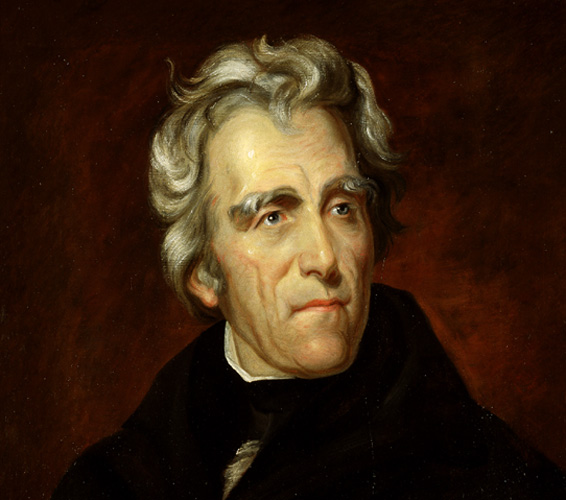
Andrew Jackson's "Great Cheese" Levee of 1837

In 1835, a New York farmer presented Andrew Jackson with a gigantic wheel of cheddar cheese. Weighing more than 1,400 pounds, it was four feet in diameter and stood nearly three feet high. Jackson let the gift sit, aging, for two years in the vestibule (lobby) of the White House.

A few weeks before leaving office, he invited the public to a reception in honor of George Washington’s birthday. According to newspaper accounts, more than 10,000 well-wishers swarmed to the White House, hoping to get a glimpse of the departing president – and a piece of the cheese!

When the last guests finally left, all that remained of the cheese were the pieces that had been ground into the carpet, smudged across the walls, and smeared on the satin couches and curtains.


If you're in the mood for something EXTRA cheesy for National Cheese Day today, this recipe for Extra Cheesy Cheddar Cheesy Bread is a great addition for large social gatherings and a cinch to make at the last minute!!

1 pound shredded sharp cheddar cheese
1 pound shredded Mozzarella cheese
1/4 cup sour cream
4 cloves garlic, minced
3/4 stick butter, softened
1 large loaf of French bread

In a bowl, mix together the cheeses. Stir in mayonnaise and sour cream. In a separate bowl, blend butter and garlic. Add butter mixture to the cheese mixture.

Preheat broiler. Slice bread in half horizontally and lay crust side down on an ungreased cookie sheet. Spread cheese mixture evenly over the bread. Place under the broiler until golden brown and slightly bubbly on top, about 5 minutes.

Remove from broiler and let sit for 4-5 minutes. Serve warm and enjoy!

Friday, December 2, 2011

Martin Van Buren, the Election of 1840, and the "Regal Splendor" of the Presidential Palace

Having witnessed the chaos of Andrew Jackson’s "levees" first hand, Martin Van Buren prohibited all food or drink from public receptions. Privately, however, he hosted many extravagant dinner parties at the White House.

Using gold plated spoons that James Monroe had purchased years earlier in France, Van Buren added the finest quality cut wine glasses, water bottles and goblets. He also purchased expensive European finger bowls in which he rinsed his fingers after a night of fine dining.

Shortly before the election of 1840, Charles Ogle, a Whig Congressman from Pennsylvania, rose to speak in the House of Representatives and launched into a

Thursday, August 19, 2010

Martin Van Buren's Charming "Lady of the House"

When Martin Van Buren became president in 1837, he was a widower of nineteen years with four young bachelor sons. Dolley Madison was living nearby at the time, and historians say that when her "young relative-by-marriage Angelica Singleton came from South Carolina for a visit," the two went to the White House to "pay a call."

Angelica's "aristocratic manners, excellent education, and handsome face" quickly won the heart of the president's oldest son, Abraham. The two were married in 1838, and, after an extended honeymoon abroad, Abraham served as the president's private secretary and Angelica presided as "Lady of the House".

According to historian Poppy Cannon, Angelica did her best to lessen the formal atmosphere of the White House, though as a young mother, "she did not always find the assignment an easy one." In a letter home, Angelica candidly wrote:

My first state dinner is over; oh, such a long one, our first in the state dining room. I was the only lady at the table...I tried to be cheerful as possible, though I felt miserable all the time, as my baby was crying, and I received message after message to come to the nursery.


In addition to the rigors of hosting frequent state banquets and caring for a baby, Angelica graciously contributed many of her favorite Southern recipes to the White House kitchen. Although the president surely appreciated the assistance of his charming daughter-in-law, his tastes were deeply ingrained, and ran toward a somewhat strange combination of simple hearty Dutch fare and rich French and English dishes that he had grown accustomed to during his years serving as U.S. Minister to Britain.

With his friend Washington Irving, who was living in London at the time, Van Buren reportedly "explored old castles and abbeys, drank wassail before the Yule log in charming old taverns...and ate heartily" of the Olde English favorite, Boar's Head crowned with Holly and Rosemary.

While some of you might not be inclined to dine on a festive Boar's Head tonight, you can try this recipe for Rosemary Pork Tenderloin from the Food Network:

1/3 cup Dijon mustard
2 tablespoons freshly ground black pepper
1 tablespoon freshly chopped rosemary leaves
4 sprigs rosemary, with hard woody stems
5 large garlic cloves, 2 cloves minced, 3 cloves smashed
2 pork tenderloins, about 1-pound each
4 slices maple bacon

In a small bowl, whisk together the Dijon mustard, fresh ground black pepper, chopped rosemary, and minced garlic and mix well. Rub the mustard mixture over the surface of the tenderloins and wrap in plastic wrap. Marinate in the refrigerator for 1 hour.

Preheat oven to 375 degrees F. Place rosemary sprigs and smashed garlic in the center of a roasting pan. Remove the plastic wrap from the tenderloins and top each with 2 slices of maple bacon. Tie with kitchen twine to secure bacon strips.

Place the roasting pan in the oven and bake for 25 to 30 minutes or until an instant-read thermometer, inserted in the tenderloins, registers 160 degrees F. Remove from oven when desired doneness is reached and let sit for 5 to 10 minutes on a cutting board. Remove kitchen twine, slice and serve with your favorite sides. Garnish with the rosemary sprigs and garlic and enjoy!

Wednesday, August 11, 2010

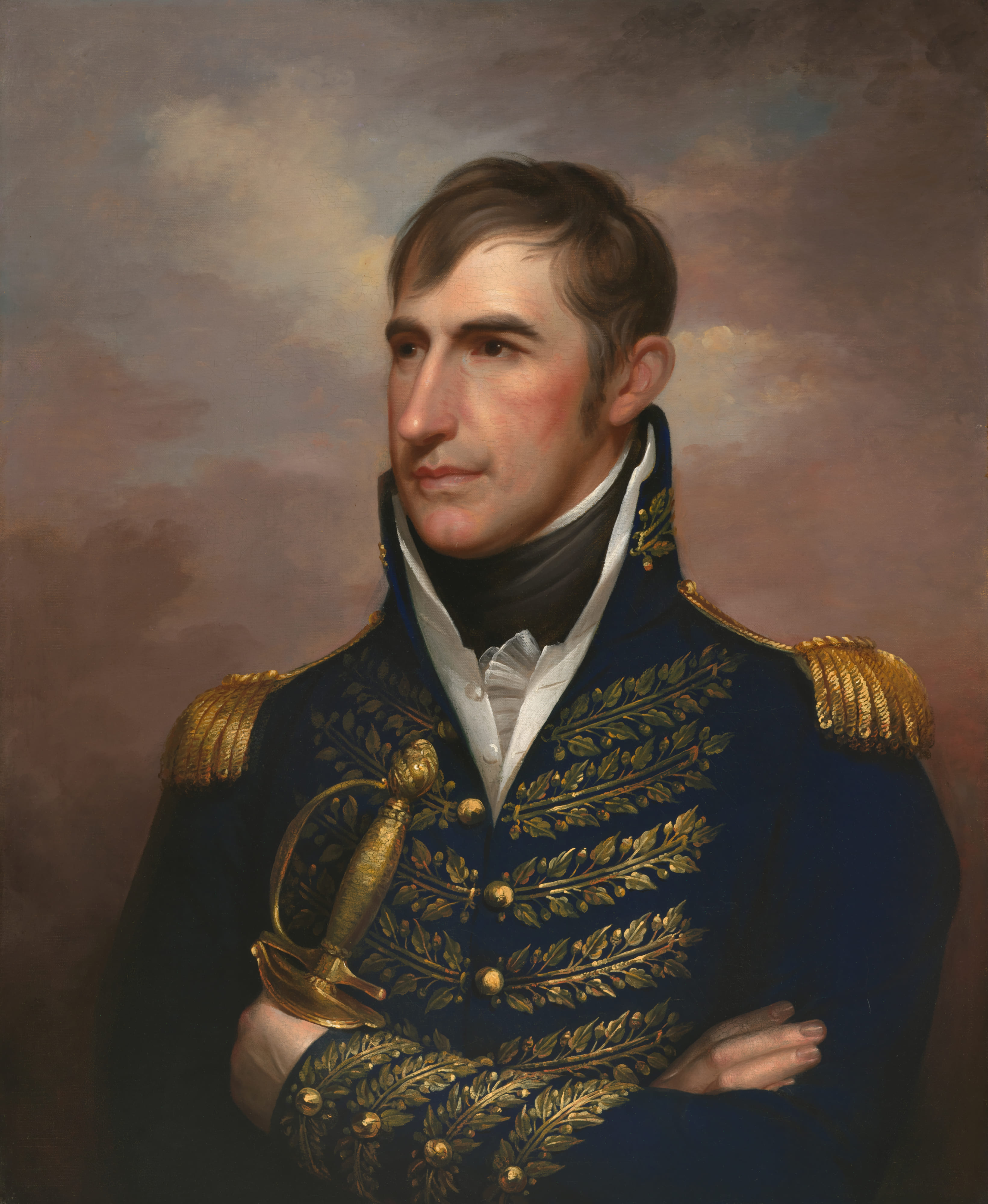
William Henry Harrison, The Election of 1840 and "Tippicanoe and Burgoo, Too!"

During William Henry Harrison's presidential campaign, hard cider flowed so fast that he became known as the “Hard Cider Candidate.” To feed his many rowdy supporters, Harrison's cooks served an election dish called Burgoo which was made by dropping chopped vegetables into warm squirrel stew.

Hailing his victory over Tecumseh thirty years earlier, Harrison’s supporters came up with the slogan, TIPPICANOE AND TYLER, TOO!” With its shrewd and heavy use of slogans, poems, ditties, and songs, and organized picnics, rallies, bonfires, and parades, the Election of 1840 is considered to be the first modern American presidential campaign!

Of course, the custom of plying potential voters with food and drink has been practiced by politicians since George Washington's day. But it reached its zenith in the campaign of 1840, when Harrison and his lieutenants "wined and dined the populace throughout the West."

The first step, according to historian Poppy Cannon, was to erect a log cabin, then "invite all eligible males to a feast of cornbread, cheese, and hard cider." Little by little, the feasts became more elaborate, "culminating in a spread in Wheeling, West Virginia, in which 30,000 hungry voters were served 360 hams, 20 calves, 1,500 pounds of beef, 1,000 pounds of cheese, 8,000 pounds of bread and 4,500 pounds of Burgoo."

Perfected in Kentucky and popular throughout the western territories, Burgoo was the perfect election dish since it could be easily expanded to feed large crowds simply by adding more water, vegetables and squirrel meat to it. Although squirrel was once deemed essential to this classic American dish, most modern recipes, like this one for Kentucky Burgoo from Emeril Lagasse, call for beef, lamb and chicken.

2 tablespoons vegetable oil
2 pounds boneless beef shank, trimmed of excess fat
2 pound boneless lamb shoulder, trimmed of excess fat
Salt and freshly ground black pepper
2 medium onions, quartered
4 cloves peeled garlic
1 medium fresh hot red pepper, quartered
Water, to cover
1 (3 to 4 pound) whole chicken or hen, cut into 8 pieces
2 cups chopped onions
2 cups medium diced carrots
1 cup medium diced green bell peppers
1 pound baking potatoes, like russets, peeled and medium diced
2 cups peeled, seeded and chopped tomatoes
1/2 pound fresh green beans, strings removed and cut into 2-inch pieces
2 cups fresh corn kernels
2 tablespoons light brown sugar
1 tablespoon finely chopped fresh parsley leaves
Serving suggestions:
8 fresh cornbread muffins, hot
8 fresh biscuits, hot

In a large, heavy pot, over medium heat, add the oil. Season the beef and lamb with salt and pepper. When the oil is hot, sear the meat, in batches, for a couple of minutes on all sides. Add the onions, garlic, cloves, and pepper. Cover with water. (about 3 to 4 quarts). Bring to boil, reduce the heat to medium low, and simmer until tender, about 3 hours.

Season the chicken with salt and pepper. During the last 1 1/2 hours of cooking, add the chicken. Remove the meat, chicken and vegetables from the pan, set aside and cool. Discard the vegetables. Add the remaining vegetables and brown sugar to the pot of hot liquid. Continue to cook for 1 hour.

After the meat has cooled, cube the beef and lamb into 1-inch pieces. Remove the skin and bones from the chicken and discard. Dice the chicken into 1-inch pieces. Add the cubed meat and chicken to the vegetables and continue to cook for 30 minutes. Re-season if necessary. Ladle the stew into serving bowls. Serve with hot cornbread or biscuits. Garnish with parsley.

A LITTLE BACKGROUND: “Tippecanoe and Tyler, Too!” was originally a song written for Harrison and his running mate, John Tyler. Harrison was known as “Old Tippecanoe” for his military victory over the Shawnee chieftan Tecumseh at the Battle of Tippecanoe in 1811. Thirty years later, Whigs used Harrison’s nickname in a campaign song that portrayed Harrison as a “simple, homespun hero” in contrast to the Democratic candidate, Martin Van Buren, who was depicted as a wealthy elitist. Here are some of the lyrics:

Sure, let 'em talk about hard cider
and log cabins too
't'will only help to speed the ball
for Tippecanoe and Tyler too
and with him we'll beat Little Van, Van
Van is a used up man
and with him we'll beat Little Van…


Although Harrison wasn't born in a log cabin, he was the first to use one as a symbol to suggest that he was a man of humble origins. Other candidates followed his example, making the idea of a log cabin (and a non-wealthy background) a recurring theme in presidential elections for the next half century.

Credit: William Henry Harrison, oil on canvas by Rembrandt Peale (National Portrait Gallery, Smithsonian Institution, Washington D.C.)