Saturday, February 26, 2011

Lou Henry Hoover and the First Organized Girl Scout Cookie Drive in 1935

So did you know that Herbert Hoover’s wife "Lou" served as president of the Girl Scouts and helped coordinate one of the first Girl Scout Cookie Drives in 1935? Sixty five years later, in April of 2000, the Herbert Hoover Presidential Library and Museum held an exhibit entiitled, American Women! A Celebration of Our History. One exhibit depicted Lou Hoover’s lifelong commitment to the Girl Scouts. This is how the placard read:

A woman nicknamed "Daisy" started the Girl Scouts of the U.S.A. with 18 girls. And a tomboy called "Lou" helped the organization grow into its current membership of over 3.5 million! Lou Henry grew up enjoying the outdoor life, and was the first women to receive a degree in geology from Stanford. She traveled the world with her husband Herbert Hoover, and assisted him with his mining ventures and famine relief activities.

During World War I she met up with Juliette Low [Daisy], and was a Girl Scout for the next 25 years. As First Lady and national leader of the Girl Scouts, Hoover quietly aided people in need during the Depression, and was also the first to desegregate White House social functions.

Lou remained a Scout the rest of her life and led the first Girl Scout cookie drive in 1935. Juliette Low and Lou Henry Hoover brought together girls from the North and South, wealthy and poor, black and white, athletic and handicapped – instilling confidence that all women can develop their potential to be whatever they wish to be.


In the 1920s and 1930s, Girl Scouts all across the country baked their own simple sugar cookies with their mothers. They then packaged their coookies in wax paper bags sealed with a sticker and sold them door-to-door for 25 to 35 cents a dozen.

Today, of course, there is a wide array of commercially baked Girl Scouts cookies to choose from, including such traditional favorites as Samoas, Tagalongs, Trefoils, and Thin Mints! If you'd like to whip up a batch of cookies with your kids today, here is the original recipe for Early Girl Scout Cookies® from The Girl Scouts of the United States of America.

1 cup butter
1 cup sugar plus additional amount for topping (optional)
2 eggs
2 tablespoons milk
1 teaspoon vanilla
2 cups flour
1 teaspoon salt
2 teaspoons baking powder

Cream butter and the cup of sugar; add well-beaten eggs, then milk, vanilla, flour, salt, and baking powder. Refrigerate for at least 1 hour. Roll dough, cut into trefoil shapes, and sprinkle sugar on top, if desired. Bake in a quick oven (375°) for approximately 8 to 10 minutes or until the edges begin to brown. Makes six- to seven-dozen cookies.

Tuesday, February 22, 2011

Theodore Roosevelt, Upton Sinclair, and "The Pure Food and Drug Act of 1906"

So this story is kind of repulsive and certainly won't make you crave a juicy hamburger or steak, but it's a part of food history so here goes:

On June 30, 1906, President Theodore Roosevelt signed into law the Meat Inspection Act and Pure Food and Drug Act which provided for federal inspection of meat products and prohibited the manufacture, sale, or transportation of adulterated food products.

The Acts arose in part due to articles and exposés written by muckrakers, like Upton Sinclair, whose popular 1906 novel The Jungle contains hair-raising descriptions of the ways in which meat was produced in Chicago slaughterhouses and stockyards.

Sinclair described how dead rats, putrid meat, and poisoned rat bait were routinely shoveled into sausage-grinding machines, how bribed inspectors turned a blind eye when diseased cows were slaughtered for beef, and how filth and guts were swept off the floor and then packaged and sold as “potted ham.”

Muckraker, of course, is a term that is applied to those novelists and journalists who sought to expose the corruption of American business and politics in the early twentieth century. It was President Roosevelt who first coined the term in a 1906 speech in which he compared writers like Sinclair to the “Man with the Muck-rake” (a character in John Bunyan's Pilgrim's Progress) who was so focused on "raking the filth at his feet” that he failed to look up and “behold the celestial crown.”

Similarly, Roosevelt argued that Sinclair and other muckrakers were so focused on the evils of American society that they failed to "behold the vision of America's promise.”

For my new book click here

Thursday, February 17, 2011

Franklin Delano Roosevelt, World War II, and "There's Not Enough Milk for the Babies"

On February 19, 1942, just two and a half months after the Japanese attack on Pearl Harbor, President Franklin Delano Roosevelt signed Executive Order 9066 which led to the internment of more than 125,000 Japanese-American citizens who were removed from their homes and detained in internment camps until the end of World War II.

The daily conditions of camp life are especially vivid in descriptions of the mass feeding of thousands of Japanese detainees. On May 11, 1942, Joseph Conrad of the American Friends Service Committee submitted a Progress Report to the federal government which read:

There's not enough milk for the babies in camp because the Army's contract for milk is with farmers in Oregon and even though there is plenty of milk in the neighboring towns begging to be used, red tape makes it impossible.

There hasn't been enough food to go around because there were [more] arrivals than were expected. Some have gone without meals several times. There has been no fresh vegetables; no fruit (and a large part of the population are children), no fresh meat, but plenty of canned food for those who were early in line to get it...


Meanwhile, as thousands of interned children were suffering from malnutrition, millions of homeless and unemployed Americans were starving during the Great Depression. To address this national crisis, Soup Kitchens began opening in large cities and small towns throughout the United States.

When soup kitchens first appeared, they were generally run by churches or private charities. But by the mid-1930s, when Roosevelt was in office, state and federal governments were also operating them.

Why soup? Throughout history, soup has been one of the primary foods consumed by poor and homeless people. If you think about it, this makes sense because soup is economical (it can be prepared with whatever scraps of food are available and can be stretched to feed more people by adding water). It is also quick and simple to make (only a pot is needed) and easy to serve (it requires only a bowl and spoon, or, "in a pinch, can be sipped").

Like many Americans during the Great Depression, President Roosevelt and his wife Eleanor consumed economical foods like fried cornmeal mush and dry crackers with stew. According to White House chef Henrietta Nesbitt, soup was another Roosevelt family favorite:

There was never such a family for soups as the Roosevelts. All the years they occupied the White House we kept the big steel soup kettles singing in the White House - clear soup for dinner and cream soup for lunch. Pretty nearly every usable variety of fish, fowl, beast, mineral, vegetable, and contiment was used in our White House soups...

Give Mrs. Roosevelt a bowl of soup and a dish of fruit for lunch and she'd be off with recharged vitality on one of her trips...Cream of almond - L'Amande soup - was one of her special favorites. The President was partial to fish soups... Among the recipes his mother gave me was the one for clam chowder...Another of his favorites was the green turtle soup, and there was always a great fuss when it was made.


Today, green turtle soup is prohibited in the United States because most species of sea turtles are considered threatened or endangered. But you can try this simple and delicious recipe for Creamy Chicken Soup which Eleanor surely would have enjoyed before setting out on one of her "supercharged" afternoons.

3 tablespoons unsalted butter
2 tablespoons all-purpose flour
4 cups chicken stock
2 cups heavy cream
2 egg yolks, beaten
coarse Salt, to taste
fresh ground black pepper, to taste
2 cups diced cooked boneless, skinless, chicken breast
chopped fresh parsley

Add unsalted butter to stockpot. Melt over low heat. Stir in flour, and stir constantly for 2 minutes. Gradually stir in chicken stock. Heat over medium heat, almost but not boil. Add heavy cream and egg yolks to medium bowl. Whisk to combine. Ladle in ½ cup hot soup. Blend with whisk. Stir cream mixture into stockpot.Season with coarse salt and fresh ground black pepper. Add chicken meat and Simmer until heated through but not boiling. Serve hot in individual soup bowls. Garnish with chopped parsley.

FOOD FACT: In a 1942 New Republic article, Ted Nakashima described the daily conditions of camp life this way: The food and sanitation problems are the worst. We have had absolutely no fresh meat, vegetables or butter since we came here. Mealtime queues extend for blocks; standing in a rainswept line, feet in the mud, waiting for the scant portions of canned wieners and boiled potatoes, hash for breakfast or canned wieners and beans for dinner. Milk only for the kids. Coffee or tea dosed with saltpeter and stale bread are the adults' staples.

Tuesday, February 15, 2011

Dolley Madison's Wednesday Squeezes

When James Madison and his wife Dolley moved into the President's House, the room that Thomas Jefferson had used as an office became the State Dining Room. The adjacent parlor (today’s Red Room) was "redecorated in sunflower yellow, with sofas and chairs to match" and "outfitted with a piano, a guitar, and a portrait of Dolley.” One room over, the smaller but more formal elliptical salon was "decorated in the Grecian style" with cream-colored walls.

Together, these three rooms with their interconnecting doors became the venue for Dolley Madison’s legendary “Drawing Rooms,” or "Wednesday Squeezes," which often attracted as many as three hundreds guests and were the most popular social event in town!

Dressed in brightly colored satins or silks and often donning a feathered headpiece or bejeweled turban, Dolley cheerfully greeted and mingled with guests as they enjoyed a festive evening of refreshments, music, and lively conversation. Mrs. Madison also presided over elaborate dinner parties where she delighted guests with such unusual dessert items as pink pepperment ice cream baked in warm pastries.

The Madisons continued to entertain this way until "their brilliant social whirlwind" went up in flames during the War of 1812. On August 24, 1814, while James was away getting a report on the war, Dolley was supposedly awaiting forty dinner guests. Around three o’clock, word was received that British troops had defeated American forces at nearby Blandensburg and were marching toward the capital.

Before fleeing to safety, Dolley quickly gathered what she could, including important documents of her husband’s and Gilbert Stuart’s famous portrait of George Washington. When British soldiers entered the Executive Mansion later that day, they supposedly devoured the lavish dinner that had been left behind. They then piled up furniture, scattered oil-soaked rags in all of the rooms, and lit the President’s House afire!

Although the British quickly evacuated the capital, the months that followed were not happy ones for the Madisons. Many Americans criticized them for abandoning the President’s House and for “allowing the destruction of the most visible symbol of the young republic.”

At their temporary residence, Dolley started up her Wednesday Squeezes again, but “the spirit was gone.” Then came word of General Andrew Jackson’s victory over the British in the Battle of New Orleans and the mood of the country was again jubilant. Although a peace treaty had been signed weeks earlier, the Battle of New Orleans transformed “Mr. Madison’s War” (which had been condemned until then as an unnecessary folly) into “a glorious reaffirmation of American independence.”

Source: Barry Landau, The President's Table: Two Hundred Years of Dining and Diplomacy (NY, Harper Collins: 2007)

Credit: Dolley Madison, oil on canvas, by Gilbert Stuart

Saturday, February 12, 2011

Lucy Hayes Famous Homemade Angel Cake

Historians say that “Everything in Moderation” was the motto of Rutherford B. Hayes. He reportedly drank “one cup of coffee at breakfast” and “one cup of tea at lunch.” Dinner was often chicken or steak followed by a slice of his wife Lucy’s famous homemade Angel Cake.

It has been said that Angel Food Cake got its name because "it is so white, light, and fluffy it must be the food of angels.” Although no one knows who created or named this cake, we do know that recipes with the name "Angel Food" began appearing in American cookbooks in the late nineteenth century – around the same time that mass-produced cake pans hit the market!

If you'd like to bake one of these delightfully light and fluffy cakes, here is a simple recipe to try from the Food Network's ever-energetic Alton Brown

1 3/4 cups sugar
1/4 teaspoon salt
1 cup cake flour, sifted
12 egg whites (the closer to room temperature the better)
1/3 cup warm water
1 teaspoon orange extract, or extract of your choice
1 1/2 teaspoons cream of tartar

Preheat oven to 350 degrees F. In a food processor spin sugar about 2 minutes until it is superfine. Sift half of the sugar with the salt the cake flour, setting the remaining sugar aside.

In a large bowl, use a balloon whisk to thoroughly combine egg whites, water, orange extract, and cream of tartar. After 2 minutes, switch to a hand mixer. Slowly sift the reserved sugar, beating continuously at medium speed. Once you have achieved medium peaks, sift enough of the flour mixture in to dust the top of the foam. Using a spatula fold in gently. Continue until all of the flour mixture is incorporated.

Carefully spoon mixture into an ungreased tube pan. Bake for 35 minutes before checking for doneness with a wooden skewer. (When inserted halfway between the inner and outer wall, the skewer should come out dry). Cool upside down on cooling rack for at least an hour before removing from pan.

FOOD FACT: According to Food Timeline compiler Lynne Olver, recipes for cakes similar to Angel Food (calling only for egg whites) were known by other equally descriptive names, such as Silver Cake and Snow Drift Cake. The latter recipe was included in an 1881 cookbook entitled What Mrs. Fisher Knows about Old Southern Cooking. According to Olver, Mrs. Fisher was the first freed American slave to author a cookbook in the United States.

Credit: Portrait of Lucy Hayes by Daniel Huntington, White House Historical Association (White House Collection)

Sunday, February 6, 2011

Elizabeth Monroe Baked Apple Charlotte

From all accounts, the dinner parties hosted by James and Elizabeth Monroe were very formal affairs. Large dinners had an especially “cold air,” according to novelist James Fenimore Cooper, who was frequently invited to dine at the Monroe White House. Describing a particular dinner, Cooper wrote:

The whole entertainment might have passed for a better sort of European dinner party, at which the guests were too numerous for general or very agreeable discourse and some of them too new to be entirely at ease. Mrs. Monroe arose at the end of dessert, and withdrew…No sooner was his wife’s back turned than the president reseated himself, inviting his guests to imitate the same action. After allowing his guests sufficient time to renew in a few glasses...he arose, giving the hint to his company that it was time to join the ladies. In the drawing room, coffee was served and everyone left the house before nine…

Cooper didn't comment on what was served at that particular dinner, but the Monroes were known for serving many elaborate French dishes which they had become accustomed to during their years in Paris while James served as U.S. Minister to France. Still, biographers say that James retained a childhood taste for Spoon Bread, Chicken Pudding and other simple foods of his youth.

Apple Charlotte was another Monroe family favorite, so much so that Elizabeth reportedly passed a recipe for it along to Martha Washington, who added it to her enormous recipe collection. Although Elizabeth's Apple Charlotte would be difficult to duplicate today, you can try this quick and delicious version that was prepared on the Food Network by Paula Dean.

1 cup brown sugar
1 tablespoon cinnamon
1 teaspoon nutmeg
1/8 teaspoons mace
5 Granny Smith apples, pared, cored and sliced thin
3 fresh lemons, zested
6 tablespoons butter, cold
1 stick butter, melted
1 loaf French bread shredded into crumbs, reserve 1 cup
Butter

In a bowl, add brown sugar, cinnamon, nutmeg and mace. Mix together. Reserve 1 cup of mixture to be used for topping. In a separate bowl, mix together apples and lemon zest.

Cover the bottom of Dutch oven pan with bread crumbs and bits of butter. Layer bottom with some sliced apples and brown sugar with a few pats of butter on top. Repeat with another layer until the pan is filled.

For the top layer, combine reserved cup of bread crumbs, melted butter and 1 cup reserved mixture. Sprinkle on top and top with more butter. Bake for 30 minutes until the golden brown. Serve warm and enjoy!

FAST FACT: James Fenimore Cooper is most well known for his historical novels known as The Leatherstocking Tales, featuring a frontiersman named Natty Bumppo. Among his most famous works is The Last of the Mohicans, which takes place during the French and Indian War and was made into a popular movie starring Daniel Day Lewis.

Credit: Elizabeth Monroe, oil on canvas, by John Vanderlyn

Wednesday, February 2, 2011

Barack Obama, the 2010 Super Bowl Champions, and Gulf Coast Cooking at the White House

Last April, President Obama welcomed the New Orleans Saints in an East Room ceremony where he congratulated the owners, coaches, and players on their electrifying 31-17 win over the Indianapolis Colts in the 2010 Super Bowl The President then made a few remarks on why so many Americans had a soft spot for the Saints:

Look, I’m a Bears fan. I’m not going to lie. But this was a big win for the country -- not just for New Orleans -- because five years ago, this team played its entire season on the road. It didn’t have a home field. The Superdome had been ruined by Hurricane Katrina. The heartbreaking tragedies that unfolded there when it was used as a shelter from that terrible storm lingered all too fresh in a lot of people’s minds.

And back then, people didn’t even know if the team was coming back. People didn’t know if the city was coming back. Not only did the team come back -– it took its city’s hands and helped its city back on its feet. This team took the hopes and the dreams of a shattered city and placed them squarely on its shoulders. And so these guys became more than leaders in the locker room -– they became leaders of an entire region. And the victory parade that we saw earlier this year made one thing perfectly clear, that New Orleans and the New Orleans Saints are here to stay.


After his remarks, the players took a tour of the White House kitchen, where offensive tackle Zach Streif gave White House chef Sam Kass a few pointers on "Gulf Coast Cooking" while whipping up a zesty batch of Gulf Shrimp with Honey Mustard Bourbon sauce. If you're looking for a great dish to make this Super Bowl Sunday, you can't go wrong with this simple and simply delicious recipe for Zach's Gulf Shrimp and Andouille Skewers from the legendary New Orleans restaurant Commander's Palace.

For the mustard:

1/4 cup Creole mustard or other whole grain mustard
1/4 cup honey
2 tablespoons bourbon
1 teaspoon chipotle Tabasco sauce

Shrimp and sausage:

1 pound large Gulf shrimp peeled, deveined and tails left on
12 ounces andouille or other hot sausage cut to the same thickness as the shrimp
2 tablespoons + 1/2 teaspoon vegetable oil
1 teaspoon Creole seasoning

Combine all the ingredients in a medium bowl. Prepare a medium high fire on a grill or grill pan. Alternately thread the shrimp and sausage on the skewers. Rub both sides with oil and season with Creole seasoning. Place skewers on the grill and cook for 2 minutes each side until shrimp are pink and cooked through and sausages are browned. Baste the skewers with the spicy bourbon mustard during the last 30 seconds of cooking. Serve warm and enjoy!

FOOD FACT: Shortly after his inauguration in 2009, President Obama hosted a Super Bowl party in the White House Family Theatre, where he and his guests tried out special 3D effects glasses as they watched the Pittsburgh Steelers narrowly defeat the Arizona Cardinals by a score of 27-23. And when it came time for Super Bowl snacks, the president rolled up his sleeves and personally served healthy Oatmeal Raisin cookies to his invited friends and guests.

FAST FACT: More than 110 million people are expected to tune in to the Super Bowl this Sunday. When they're not busy watching the game between the Green Bay Packers and Pittsburgh Steelers, viewers will be bombarded by more than a hundred commercials for everything from Dr. Pepper, Doritos, Taco Bell, and Bud Light to life insurance, clothing, and cars. But these commercials don't come cheaply: each thirty second ad reportedly costs a whopping $3,000,000!

Friday, January 28, 2011

Herbert Hoover, a Chicken in Every Pot, and the Great Depression


During the Great Depression, many Americans couldn't afford to pay their mortgages and lost everything they owned. Suddenly homeless, millions of American families had no choice but to find shelter in shanty towns, or Hoovervilles, which sprang up throughout the United States in the early 1930s.

In the popular musical Annie, which takes place in a Hooverville beneath the 59th Street Bridge in New York City, there is a song called “We'd Like to Thank You, Herbert Hoover." In it, the chorus blames President Hoover for all the hardships they are forced to endure as a result of the Great Depression. Maybe you've heard the lyrics:

[ALL]
Today we're living in a shanty
Today we're scrounging for a meal

[SOPHIE]
Today I'm stealing coal for fires
Who knew I could steal?...

[ALL]
We'd like to thank you: Herber Hoover
For really showing us the way
We'd like to thank you: Herbert Hoover
You made us what we are today...

In ev'ry pt he said "a chicken"
But Herbert Hoover he forgot
Not only don't we have the chicken
We ain't got the pot!


During the Election of 1928, Hoover never actually uttered the phrase “a chicken in every pot and two automobiles in every back yard,” but the Republican Party ran ads suggesting that this was what Americans could expect if he was elected.

As far as modern campaign slogans go, "A Chicken in Every Pot" sounds rather modest. But "the words rang hollow during the Great Depression that blighted Hoover's presidency and shook the economic foundations" of the nation to the core. As one observer remarked, "daily bread and shoes without holes were hard enough to come by, let alone stewing chickens and automobiles."

Nevertheless, while millions of American families were scrounging for food in the streets, President Hoover and his wife Lou were entertaining on a scale not seen at the White House in years. According to historian Poppy Cannon, "The watchword had been economy while the Coolidges lived at the White House. Now it was elegance...Mrs. Hoover never questioned the amount of food consumed or its cost. Her only requirement was that it be of the best quality, well cooked and well served.”

Needless to say, this infuriated many struggling Americans, and, in the Election of 1932, Franklin Delano Roosevelt won in a landslide, ushering in decades of Democratic dominance in presidential elections. Meanwhile, Hoover left the White House in disgrace, "having incurred the public's wrath for failing to lift the nation out of the Great Depression."

Monday, January 24, 2011

George Washington's Thursday Dinners

When George Washington became the first president of the United States in 1789, some of the most pressing questions facing the new nation involved social manners and etiquette. This might seem trivial today, but, back then, George and his fellow patriots had just fought a long war against the British Crown and they wanted to be sure that the American people would never mistake their president for a king.

How much pageantry should surround the office of the presidency? How elaborate should presidential dinners be? And how should the new president be addressed? As “His Excellency”? “His Mightiness”? Or, as Vice-President John Adams suggested, "His Highness, the President of the United States of American and Protector of the Rights of the Same?"

These were questions of great importance when George Washington took the Oath of Office on the balcony of Federal Hall in New York City on April 30, 1789.

That same week, Washington distributed questionnaires to his cabinet members, soliciting their opinions regarding the basis of “a tenable system of etiquette.” After much discussion, it was decided that George would be addressed as President Washington or simply Mr. President.

It was also decided that “levees” (receptions) would be held each Tuesday afternoon for foreign ambassadors and other “strangers of distinction” and that congressional dinners would be held each Thursday. Friday nights were chosen for Martha Washington’s “Drawing Rooms” and the remaining days were reserved for state banquets and personal entertaining.

Despite his desire to avoid the trappings of monarchy, George's Thursday dinners were truly fit for a king. Dinners began promptly at four o’clock and typically consist of three bountiful courses, the first two of which usually included fifteen or twenty different dishes – all brought to the table at once!

A menu from Martha Washington’s cookbook reveals just how elaborate these dinners could be. For a first course, she suggested serving Boiled Turkey, Baked Salmon, Shoulder of Mutton, Chicken Patties, Baked Ham, Stewed Cabbage, Scotch Collops, Pork Cutlets and Sauce Robert with Mashed Potatoes, Maids of Honors, Dressed Greens, French Beans, Oyster Loaves and Celery Sauce.

This course would be followed by Asparagus a la Petit Poi, Crayfish in Sauce, Fruit in Jelly, Lamb Tails, Partridges, Poached Salmon, Wild Duck, Roasted Hare, Sweetbreads, Plovers, Prawns, and Chardoons with Fricassed Birds, Rhenish Cream and custard.

After this course, the table cloth was removed and fresh glasses and decanters of wine were placed on the table with all kinds of fruits and nuts. If Martha and other ladies were present, they would excuse themselves at this point and the men would settle down (with very full bellies!) to talk about politics and other important affairs of the day.

Although most of the recipes in Mrs. Washington's cookbook might be difficult to duplicate today, you can try this more recent recipe for Poached Salmon with Dill, which is simple to prepare and tastes simply delicious.

1 to 1½ pounds salmon fillets
½ cup dry white wine (a good Sauvignon Blanc)
½ cup water
A few thin slices of yellow onion and/or 1 shallot, peeled and sliced thin
Several sprigs of fresh dill or sprinkle of dried dill
A sprig of fresh parsley

Put wine, water, dill, parsley and onions in a saute pan, and bring to a simmer on medium heat. Place salmon fillets, skin-side down on the pan. Cover and cook for 5 minutes. Season with freshly ground black pepper and enjoy.

FOOD FACT: If you happen to live near Mount Vernon or plan on visiting someday, be sure to stop by the Mount Vernon Inn Restaurant which serves such tasty and authentic colonial appetizers as Peanut and Chestnut Soup, Colonial Hoe Cakes, and Fried Brie with Strawberry Sauce. Dinner menu items include Filet Mignon wrapped in Virginia Pepper Bacon and topped with Fresh Crabmeat and Hollandaise, Roast Duckling with “George Washington’s favorite Apricot Sauce,” and Stuffed Pork Loin with Opium Sauce.

Friday, January 21, 2011

Air Force One Tuna Melt on Croissant

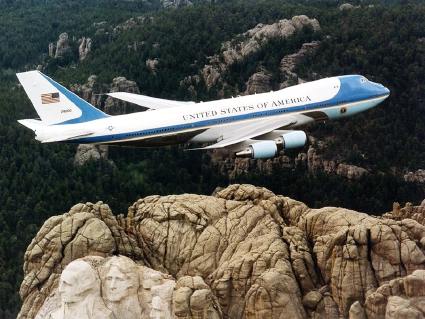
Regardless of where in the world the President travels, "if he flies in an Air Force jet, the plane is called Air Force One." According to White House officials, Air Force One is technically the "call sign" of any Air Force aircraft carrying the President. In practice, however, the name "Air Force One" is used "to refer to one of two highly customized Boeing 747-200B series aircraft, which carry the tail codes 28000 and 29000."

Emblazoned with the words "United States of America" and an image of the American flag and the Seal of the President of the United States, Air Force One is "an undeniable presence wherever it flies." This is how the interior of this amazing, high-tech jet is described on the White House website:

Capable of refueling midair, Air Force One has unlimited range and can carry the President wherever he needs to travel. The onboard electronics are hardened to protect against an electromagnetic pulse, and Air Force One is equipped with advanced secure communications equipment, allowing the aircraft to function as a mobile command center in the event of an attack on the United States.

Inside, the President and his travel companions enjoy 4,000 square feet of floor space on three levels, including an extensive suite for the President that features a large office, lavatory, and conference room. Air Force One includes a medical suite that can function as an operating room, and a doctor is permanently on board. The plane’s two food preparation galleys can feed 100 people at a time.


Although it's mighty difficult to find published copies of specific Air Force One menus, The Old Foodie tells us that the following luncheon items were served aboard Air Force One on February 6, 1994.

Assorted Relishes
Vegetable Soup
Tuna Melt on Croissant
Chips
Choice of Beverage
Cookies

Now, this is a surprisingly sparse and ordinary menu to present to a sitting president, don't you think? But...that was back in 1994, when Bill Clinton was in office, which leads me to believe that perhaps this particular menu was inspired by his wife's or his advisors' well-meaning desire to steer the president away from the greasy cheeseburgers and french fries that he once seemed to so much like and nudge him toward more healthy, low-calorie choices to help trim his then-less-than-slender waistline.

Although that specific recipe for "Tuna Melt on Croissant" isn't easily obtainable today, Barack Obama did kindly provide his favorite recipe for Tuna Salad during an interview with "60 Minutes" correspondent Steve Kroft early on in the 2008 presidential campaign. If you're in the mood for tuna salad today, here is President Obama's take on Toasted Tuna Salad Sandwiches:

Tuna
Grey Poupon mustard
Mayonnaise
Chopped gherkins
Toasted Bread

Whatever items might appear on its many in-flight menus, be they simple Tuna Melts on Croissants or crystal-filled dishes of Russian caviar, Air Force One truly is an "undeniable presence" wherever in the world it flies.

To learn about my new book click here!

Tuesday, January 18, 2011

Ronald Reagan's Inaugural Jelly Beans

Shortly after Ronald Reagan became Governor of California in 1967, he began eating pectin jelly beans to help him quit smoking. When a new brand of jelly beans, called Jelly Belly beans, appeared on the market in 1976, Reagan quickly switched to them and would often share them with his staff and visiting officials.

Reagan enjoyed these sweet little candies so much that he later sent a letter to the chief executive of the company that produced them, stating, "we can hardly start a meeting or make a decision without passing around the jar of jelly beans."

Even after he became president, Reagan's fondness for Jelly Bellies did not diminish, and large colorful jars of them were often prominently displayed on his desk in the Oval Office, in the Cabinet Room, and even on Air Force One.

When Jelly Bellies first appeared on the market, there were only eight flavors: Very Cherry, Lemon, Cream Soda, Tangerine, Green Apple, Root Beer, Grape, and Licorice, which was reportedly President Reagan's favorite.

Today, there are 50 official and creatively-named flavors to choose from, including Bubble Gum, Buttered Popcorn, Cappuccino, Caramel Corn, Chili Mango, Chocolate Pudding, Cotton Candy, Green Apple, Kiwi, Juicy Pear, Lemon Drop, Margarita, Orange Sherbet, Piña Colada, Pomegranate, Raspberry, Sizzling Cinnamon, Strawberry Cheesecake, Toasted Marshmallow, Top Banana, Tutti-Fruitti, Very Cherry, Wild Blackberry, and Watermelon.

Of course, jelly beans taste great alone, but they can also be used in cookies, cakes, and in this official recipe for Jelly Belly Pudding Parfait:

1 5.1 ounce package vanilla instant pudding mix
1 3.4 ounce package butterscotch flavor instant pudding mix
5 cups milk
2 ounces Jelly Bellies (your choice)
8 fan wafer cookies

Directions: Select serving of parfait glasses that hold 3/4 to 1 cup capacity. In two separate bowls, prepare pudding mixes according to package directions. Fill glasses with alternating layers of vanilla and butterscotch pudding. Chill 5-10 minutes. Garnish parfaits with Jelly Belly beans on top and a fan wafer if desired.

FOOD FACT: In 1981, three-and-a-half tons of Jelly Belly beans were shipped to Washington, D.C. for Ronald Reagan’s inauguration. Blueberry, one of the most popular flavors today, was developed so there would be patriotic red, white and blue jelly beans at the festivities.

FAST FACT: In addition to the 50 official flavors, the Jelly Belly Company frequently produces "rookie" flavors that are added to the roster if they become popular enough. Some of the more curious flavors that have since been withdrawn from the market include Baked Bean, Bloody Mary, Buttered Toast, and...Roasted Garlic!

For my new book from Simon & Schuster click here!

Sunday, January 16, 2011

James Monroe, Mississippi Steamboatin, and "Food Piled High on a Long, Linen Cloth"

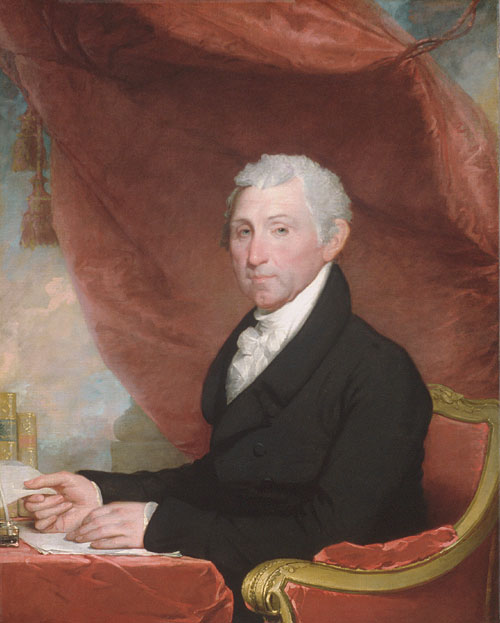
So did you know that James Monroe was the first president to ride and possibly dine on a steamboat? By the 1820s, steamboats were in use on most of the major rivers, canals, and waterways in the United States.

Historians say that the steamboat completely revolutionized shipping. For the first time in history, people "didn't have to rely on unpredictable currents and winds and could travel to any port at any time." Plantation owners in the southern states of Mississippi, Missouri, and Louisiana, for example, could cheaply and easily ship cargoes of sugar, cotton, and other goods upriver on the Mississippi rather than send it around the tip of Florida and up the Eastern seaboard as they had previously done.

Steamboats also provided a luxurious way for wealthy passengers to travel. In Mississippi Steamboatin’, Herbert Quick described the palatial setting and abundance of food served on later steamboats:

The palatial setting of later steamboats attracted pleasure-seekers and wealthy travelers...More comfortable than their 'settin' rooms,' more ornate than their prim and uncomfortable parlors...they saw the steamboat's cabin as a bewilderingly beautiful palace. The...glistening cut-glass chandeliers; the soft oil paintings on every stateroom door; the thick carpets that transformed walking into a royal march; the steaming foods piled high on the long linen cloth in the dining room, with attentive waiters standing at the traveler's elbow, waiting with more food, and gaily colored desserts in the offing - neither homes nor hotels...were ever like this.

Between 1814 (three years before Monroe took office) and 1834, steamboat arrivals in New Orleans increased from 20 to 1,200 each year. For the next half century, steamboats were the main transporter of American goods, and tiny river towns grew into thriving cities “when steamboats began to make regular stops at their docks.”

FAST FACT: If you've ever watched steam rise from a cup of hot chocolate or coffee, you might think that a steamboat is propelled by steam. That makes sense, but that isn't exactly how a steamboat works. In a steamboat's engine, wood or other fuel is burned to heat water in a boiler, and the steam that rises from the water is forced through small spaces (piston cylinders) to increase the speed at which it escapes, similar to the release of a valve on a pressure-cooker. The concentrated steam then hits and moves a paddlewheel which, in turn, propels the steamboat through water!

Credit: James Monroe, oil on canvas by Gilbert Stuart (Metropolitan Museum of Art, New York)

Monday, January 10, 2011

John Quincy Adams, the "Corrupt Bargain," and the Art of Dinner Conversation

When John Quincy Adams took the oath of office in 1825, it was under a cloud of controversy. The election of 1824 had been a bitterly contested four-man race between Andrew Jackson, Henry Clay, William Crawford, and Adams.

Since no candidate had won a majority of electoral votes, the election was thrown into the House of Representatives where Clay, as Speaker of the House, threw his support to Adams, even though Jackson had won the most popular and electoral votes. Adams then quickly appointed Clay as Secretary of State. Outraged and feeling cheated out of the White House, Jackson and his supporters called the deal a “Corrupt Bargain.”

With these accusations hanging over his head, President Adams faced problems from the start. Aware of the fact that “two-thirds of the whole people” did not want him to be president, Adams promised in his Inaugural Address to make up for his lack of support with “a heart devoted to the welfare of our country.”

But his four years in office were not easy ones. Although his intelligence, family background and experience should have made him a great president, John lacked the charisma needed to create a base of loyal supporters.

Nevertheless, John and his wife Louisa hosted many dinner parties at the White House, as required. But John's cold personality had a chilling effect on others and guests seated near the president at dinner often said that he had a hard time engaging in casual conversation. Aware of his inability to make small talk, John wrote this in his diary:

I went out this evening in search of conversation, an art of which I never had an adequate idea. Long as I have lived in the world, I never have thought of conversation as a school in which something was to be learned. I never knew how to make, control, or to change it. I am by nature a silent animal, and my dear mother’s constant lesson in childhood, that children should be seen and not heard, confirmed me irrevocably in what I now deem a bad habit. Conversation is an art of the highest importance, a school in which, for the business of life, more may perhaps be learnt than from books. It…consists more in making others talk than in talking. Therein has been, and ever will be, my deficiency – the talent of starting the game.

Like his father, John Quincy Adams was a very intelligent man, but he lacked personal warmth and his critics called him “a chip off the old iceberg”!

FAST FACT: Adams’ policies favoring a strong federal government angered many southern slave holders who feared that that any expansion of federal power might interfere with slavery. His Indian policies also cost him supporters. Like Jefferson and Monroe, Adams wanted to remove Native Americans west of the Mississippi River, but believed that the federal government should honor Indian treaties and purchase (rather than forcibly or fraudulently take) Indian lands.

For more on my manuscript wish list and submission info click here!

Sunday, December 26, 2010

Andrew Jackson Benne (Sesame) Wafers

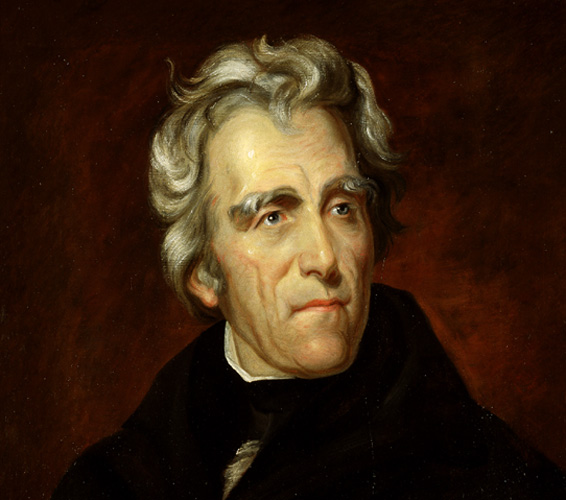
Andrew Jackson was so strong-willed that his political enemies dubbed him King Andrew I, portraying him as a tyrannical ruler who abused presidential powers and trampled on the constitution. During his two terms of office, Jackson vetoed the recharter of the Second Bank of the United States, signed the “Tariff of Abominations” which led to the Nullification Crisis and ignored important Supreme Court decisions protecting Native American rights.

Jackson was also no stranger to slavery. More than 150 slaves worked day and night at his stately Tennessee mansion "The Hermitage" where cooks prepared his favorite southern foods, including Braised Duck, Chicken Hash, Old Hickory Soup and Wild Barbecued Goose.

Popular in the South throughout the nineteenth century, Benne Wafers were another Jackson family favorite. Today, these delightfully light, crisp, paper-thin cookies can still be found in bakeries and candy shops throughout the south. If you'd like to whip up a batch of Benne Wafers, here is a simple and simply delicious recipe to try from simplyrecipes.com.

1 cup sesame seeds, toasted
1 cup firmly packed dark brown sugar
4 tbsp. unsalted butter, softened
1 egg, lightly beaten
1/2 cup all purpose flour
1/4 tsp. salt
1/8 tsp. baking powder
1 tsp. fresh-squeezed lemon juice
1/2 tsp. vanilla extract

Preheat oven to 325 F. Cover cookie sheets in parchment paper, silpat sheets, or lightly oil them. Toast the sesame seeds in a heavy skillet over medium heat until they are golden brown.

Beat brown sugar and butter together in a medium-sized bowl for several minutes until fluffy. Beat in the egg. Whisk together the flour, salt, and baking powder, then add dry ingredients to the butter, sugar, egg mixture, mix well. Stir in the toasted sesame seeds, vanilla extract, and lemon juice.

Drop by teaspoonful onto prepared cookie sheets, leaving space for the cookies to spread. Bake for approximately 15 minutes, or until the edges are slightly brown. Cool for a minute or two on the cookie sheets, then transfer to a rack to continue cooling.

FAST FACT: As a soldier and general, Jackson was said to be as tough as "Old Hickory," a very tough wood. Sadly, his father died before he was born and his mother and two brothers died before he reached the age of 15. Orphaned and alone, Andrew had to take care of himself from a very young age, which may explain why he became such a “tough” young man.

FOOD FACT: Benne (an African word for sesame) might have been brought from East Africa and planted throughout the South during the colonial era. Other foods brought from Africa in the seventeenth and eighteenth centuries include peanuts, sweet potatoes, okra, black-eyed peas and collard greens!

Wednesday, December 15, 2010

James Monroe, Valley Forge, and Spoon Bread

So did you know that while serving in the Continental Army, James Monroe crossed the Delaware with George Washington, fought at the Battle of Trenton, and endured the harsh winter at Valley Forge? Among the patriots encamped at Valley Forge were Benedict Arnold, Alexander Hamilton, the Marquis de Lafayette, and the future Supreme Court Chief Justice John Marshall.

Another soldier there was Dr. Albigence Waldo, a surgeon from Connecticut, whose diary provides perhaps the best account we have of conditions that winter at Valley Forge:

Dec. 21st., Preparations made for hutts. Provision Scarce...sent a Letter to my Wife. Heartily wish myself at home, my Skin & eyes are almost spoiled with continual smoke. A general cry thro' the Camp this Evening among the Soldiers, "No Meat!, No Meat!", the Distant vales Echo'd back the melancholly sound, "No Meat! No Meat! "What have you for our Dinners Boys?" Nothing but Fire Cake & Water, Sir." At night, "Gentlemen the Supper is ready." What is your Supper, Lads? " Fire Cake & Water, Sir..."

Dec. 22nd., Lay excessive Cold & uncomfortable last Night, my eyes are started out from their Orbits like a Rabbit's eyes, occation'd by a great Cold, and Smoke. What have you got for Breakfast, Lads ? " Fire Cake & Water, Sir." I am ashamed to say it, but I am tempted to steal Fowls if I could find them, or even a whole Hog, for I feel as if I could eat one...But why do I talk of hunger & hard usage, when so many in the World have not even fire Cake & Water to eat...


Before the end of the war, Monroe returned to Virginia and studied law under Thomas Jefferson. He then served as governor of Virginia and was appointed as U.S. Minister to France. Like Jefferson, Monroe developed a taste for fancy French cuisine while serving overseas, but biographers say that he retained a fondness for Chicken Pudding, Spoon Bread, and other simple foods of his Virginia youth.

Because it has a consistency similar to pudding, Spoon Bread is usually served straight from the baking pan with a spoon. If you'd like to whip up a batch this winter, here is a simple and simply delicious recipe to try from epicurious.com:

1 cup sweet potato, mashed
1 cup corn meal
1 teaspoon salt
1 cup boiling water
3 tablespoons butter
1 cup evaporated milk
4 tablespoons sugar
1 teaspoon baking powder
4 eggs
2 tablespoons vegetable oil

Directions: Preheat oven to 375. In a heat proof bowl, mix cornmeal and salt. Add boiling water and mix well. Add mashed sweet potato, sugar, baking powder, and milk mix well. Add eggs and mix well. Set aside for a few minutes. Grease cast iron skillet or metal baking pan with oil, allow extra oil to stay in pan. Heat pan with oil in it over medium heat until oil is hot but not smoking. Pour batter into hot skillet and place in hot oven. Bake at 375 for 30 minutes. Spoon bread should rise like a souffle, pull away from sides, and brown on top.

FAST FACT: So did you know that in Emmanuel Luetz’s painting “Washington Crossing the Delaware” James Monroe is depicted directly behind Washington, holding an American flag up against the storm? If you would like to see this painting some day (it measures 12 feet high and 21 feet long!), it is on display at the Metropolitan Museum of Art in New York City.

Thanks for stopping by THE HISTORY CHEF! For a free excerpt of my new book from Simon and Schuster please click here!

Wednesday, December 8, 2010

The Regal Splendor of the Presidential Palace

Having witnessed the chaos of Andrew Jackson’s "levees" first hand, Martin Van Buren prohibited all food and drink from public receptions. Privately, however, he hosted many extravagant dinner parties at the White House. Using gold plated spoons that James Monroe had purchased years earlier in France, Van Buren added the finest quality cut wine glasses, water bottles, and goblets. He also purchased expensive European finger bowls in which he daintily rinsed his fingers after a night of fine dining.

Before the Election of 1840, Charles Ogle, a Whig Congressman from Pennsylvania, rose to speak in the House of Representatives and launched into a three-hour attack on Van Buren’s luxurious lifestyle. After describing the “Regal Splendor of the Presidential Palace,” Ogle turned his attention to Van Buren’s “kingly” dinner table. Setting the scene for a packed gallery, Ogle dramatically proclaimed:

Mr. Chairman...Let us enter [the] palace, and survey its spacious courts, its gorgeous banqueting halls, its sumptuous drawing rooms, its glittering and dazzling saloons, with all their magnificent and sumptuous array of gold and silver...I cannot forbear…to read you a description of the Great Banqueting Hall...who can deny that this room, intended for the comfort of our democratic Chief Magistrate, is adorned with regal splendor far above any of the grand saloons at Buckingham Palace...or Windsor Castle...

In my opinion, it is time the people of the United States should know that their money goes to buy for their plain hard-handed democratic President, knives, forks, and spoons of gold, that he may dine in the style of the monarchs of Europe...What sir, will the honest locofoco say to Mr. Van Buren for spending the People’s cash [on] GREEN FINGER CUPS in which to wash his pretty tapering, soft, white, lily fingers, after dining on Fricandeau de Veau and Omelette Soufflé?


Outraged, Democrats condemned Ogle’s speech and tried to show that William Henry Harrison was the true aristocrat in the campaign. But the damage was done, and Harrison, at the age of sixty-seven, became the oldest person elected to the American presidency, a distinction he held until the election of Ronald Reagan in 1980.

FAST FACT: Ironically, it was Van Buren who was born into a working class family while Harrison was from a very wealthy political family and his father was one of the signers of the Declaration of Independence.

Sunday, December 5, 2010

Charles Dickens at the White House

One of the most famous guests to dine at the White House during John Tyler’s presidency was the great English writer, Charles Dickens. Upon his arrival to the United States, Dickens was honored at an extravagant ball in New York City, where he was greeted by such famous American writers as Washington Irving, Henry Wadsworth Longfellow, Harriet Beecher Stowe, and Edgar Allan Poe.

A few days later, Dickens met John Tyler in the White House and later penned this about the president: He looked somewhat worn and anxious, and well he might; being at war with everybody - but the expression of his face was mild and pleasant, and his manner was remarkably unaffected, gentlemanly, and agreeable.

Although Dickens seemed to like Tyler, he strongly disliked the American institution of slavery. Describing a particular dinner in Baltimore, Dickens wrote:

We stopped to dine at Baltimore, and...were waited on, for the first time, by slaves. The sensation of exacting any service from human creatures who are bought and sold...is not an enviable one. The institution exists, perhaps, in its least repulsive and most mitigated form in such a town as this; but it IS slavery; and though I was, with respect to it, an innocent man, its presence filled me with a sense of shame and self-reproach.

After returning to England, Dickens wrote his first travel book entitled American Notes in which he criticized Americans for their poor table manners and disgusting habit of spitting tobacco. In it, he also devoted an entire chapter to slavery in the United States.

While that book was very well-received, Oliver Twist is perhaps Dickens’ most famous novel. Set in mid-ninteenth century England, the main character is a nine-year-old orphan in a London workhouse where the boys are given only three meals of thin gruel each day. When Oliver courageously asks for more (“Please, sir, I want some more”) he is dubbed a troublemaker and treated even more cruelly.

So what, exactly, is gruel? Well, it's usually defined as a thin porridge or soup. Most forms of gruel include rice gruel, flour gruel, and millet gruel. If you'd like to get a taste of it for yourself, here's a quick and simple recipe to try:

2 teaspoons of flour
1 teaspoon of salt

Boil one cup water. Drip water on flour and salt until it turns into a thin paste. Add the paste to the boiling water. Stir to a semi-fluid consistency. Strain to eliminate film. Serve warm and say, "Please, sir, I want some more!"

Thursday, December 2, 2010

Theodore Roosevelt, a Brooklyn Candy Shop Owner, and the Invention of the Teddy Bear

So did you know that the Teddy Bear was invented in honor of President Theodore Roosevelt? According to historians, it all began when Roosevelt went on a four-day bear hunting trip in Mississippi in November of 1902. Although Roosevelt was known as an experienced big game hunter, he had not come across a single bear on that particular trip.

According to historians at the National Park Service:

Roosevelt’s assistants, led by Holt Collier, a born slave and former Confederate cavalryman, cornered and tied a black bear to a willow tree. They summoned Roosevelt and suggested that he shoot it. Viewing this as extremely unsportsmanlike, Roosevelt refused to shoot the bear. The news of this event spread quickly through newspaper articles across the country. The articles recounted the story of the president who refused to shoot a bear. However, it was not just any president, it was Theodore Roosevelt the big game hunter!

When a political cartoonist named Clifford Berryman read the reports he decided to “lightheartedly lampoon” the incident. Then, when a Brooklyn candy shop owner by the name of Morris Michton saw Berryman’s cartoon in the Washington Post on November 16, 1902, he came up with a brilliant marketing idea. You see, Michtom's wife Rose was a seamstress and made stuffed animals at their shop, and so he asked her to make a stuffed toy bear that resembled Berryman's drawing. He then showcased his wife's creation in the front window of their shop along with a sign that read "Teddy's Bear."

After receiving Roosevelt’s permission to use his name, Michtom began mass producing the toy bears which became so popular that he launched the Ideal Novelty and Toy Company, and, by 1907, more than a million of the cuddly bears had been sold in the United States. And so NOW you know how one of Theodore Roosevelt’s hunting trips led to the "invention" of the Teddy Bear!

Now...I'm guessing that most of you probably don't want to feast on a juicy bear steak like those that Roosevelt and his fellow hunters surely enjoyed, but you might like to make these cute Teddy Bear Cupcakes which are great to serve at children's birthday parties and play dates.

1 box Betty Crocker® SuperMoist® yellow cake mix
1 cup water
1/2 cup creamy peanut butter
3 eggs
1 container Betty Crocker® Whipped chocolate frosting
1/3 cup miniature semisweet chocolate chips
48 teddy bear-shaped graham snacks

In large bowl, beat cake mix, water, peanut butter and eggs with electric mixer on low speed 30 seconds. Beat on medium speed 2 minutes, scraping bowl occasionally. Divide batter evenly among muffin cups. Bake 13 to 18 minutes or until toothpick inserted in center comes out clean and tops spring back when touched lightly in center. Cool 10 minutes. Remove from pan to cooling rack. Cool completely, about 30 minutes.

Reserve 1/4 cup of the frosting. Spread remaining frosting over tops of cupcakes. Sprinkle each cupcake with 1/2 teaspoon of chocolate chips; press gently into frosting. Spread about 1/2 teaspoon reserved frosting on flat sides of 2 graham snacks. Place on cupcakes, pressing candles slightly into cupcakes to hold in place.

For more on my manuscript wish list and submission info click here!

Wednesday, December 1, 2010

Andrew Johnson Hoppin' John

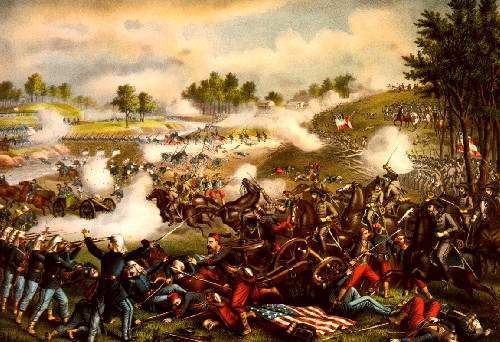
At the end of the Civil War, the South lay in ruins. Southern plantations and entire cities had been destroyed during the war. Without food, many southerners starved to death, and some of those who survived lost everything they owned.

As a result, the government had to figure out how to rebuild the South. As president, Johnson took charge of the first phase of Reconstruction. But his attempt to quickly readmit the former Confederate states into the union and his vetoes of important civil rights bills outraged Radical Republicans in Congress.

The House of Representatives impeached Johnson in 1868, but he was acquitted by a single vote in the Senate. Historians say that Johnson’s victory “marked the beginning of an ambitious series of receptions, dinners and children’s parties that would turn the last nine months of his term into an ongoing celebration.”

After leaving office, Johnson returned to his native state of Tennessee where he probably consumed such traditional southern foods as Benne Wafers, Hoppin’ John and Pine Bark Stew. Still popular in the south, Hoppin' John is often the high point of New Year's Day festivities and is thought to bring good luck throughout the coming year. If you'd like to whip up some Hoppin' John, you can't go wrong with this quick and delicious recipe from Emeril Lagasse.

1 tablespoon olive oil
1 large ham hock
1 cup onion, chopped
1/2 cup celery, chopped
1/2 cup green pepper, chopped
1 tablespoon chopped garlic
1 pound black-eyed peas, soaked overnight and rinsed
1 quart chicken stock
1 Bay leaf
1 teaspoon dry thyme leaves
Salt, black pepper, and cayenne
3 tablespoons finely chopped green onion
3 cups steamed white rice

Heat oil in a large soup pot, add the ham hock and sear on all sides for 4 minutes. Add the onion, celery, green pepper, and garlic, and cook for 4 minutes. Add the black-eyed peas, stock, bay leaves, thyme, and seasonings.

Bring to a boil, reduce the heat and simmer for 40 minutes, or until the peas are creamy and tender, stir occasionally. If the liquid evaporates, add more water or stock. Adjust seasonings, and garnish with green onions. Serve over rice and enjoy!

Sunday, November 28, 2010

Abraham Lincoln Gingerbread Men Cookies

In The Prairie Years, the great American poet and biographer Carl Sandburg told a story about Abraham Lincoln and gingerbread, a story that Abe had told in his famed debates with Stephen A. Douglas in 1858. According to Sandburg, this is how Lincoln’s “Gingerbread Story” unfolded:

“When we lived in Indiana,” Lincoln said, “once in a while my mother used to get some sorghum and ginger and make some gingerbread. It wasn’t often and it was our biggest treat. One day I smelled the gingerbread and came into the house to get my share while it was still hot. My mother had baked me three gingerbread men. I took them out under a hickory tree to eat them. There was a family near us poorer than we were and their boy came along as I sat down. ‘Abe,’ he said, ‘gimme a man.’ I gave him one. He crammed it into his mouth in two bites and looked at me while I was biting the legs off my first one. ‘Abe, gimme that other’n.’ I wanted it myself, but I gave it to him and as it followed the first, I said to him, ‘You seem to like gingerbread.’ ‘Abe,’ he said, ‘I don’t s’pose anybody on earth likes gingerbread better’n I do — and gets less’n I do...’”

Lincoln’s childhood recollection charmed the audience – and readers of widely published newspaper accounts. Years later, Lincoln reportedly repeated the story in the White House, mentioning details of the recipe his mother had used. Although her recipe has been lost to posterity, this one from the Food Network is relatively easy to prepare and fun to share with family and friends during the holidays.

4 1/2 cups all-purpose flour
1 tablespoon ground cinnamon
2 teaspoons ground ginger
1/2 teaspoon cloves
1/4 teaspoon baking soda
1/2 cup butter, softened
1/2 cup packed brown sugar
2 large eggs
3/4 cup molasses
Directions
Sift the flour, cinnamon, ginger, cloves, and baking soda in a bowl.

In a large mixing bowl, blend the butter and brown sugar until combined. Add the eggs, 1 at a time, and then the molasses. Slowly add the flour mixture. Mix well after each addition of flour. The dough will be stiff.

Divide dough in half, flatten into 2 thick circles and wrap in plastic wrap. Refrigerate for 2 hours or until firm enough to roll out. Preheat oven to 350 degrees F. Roll out, cut into desired shapes and bake until golden brown.

Monday, November 22, 2010

Pardoning the White House Thanksgiving Turkey

As it typically is with political history, there are many competing claims as to when the presidential tradition of "pardoning" a Thanksgiving turkey began. Some say the tradition dates back to the 1860s, when Abraham Lincoln's son Tad begged his dad to spare the life of a wild turkey named "Jack" that had been sent to the Lincolns to be part of their Christmas dinner.

Others claim that the tradition began during Harry Truman's administration. Although it's true that the National Turkey Federation has been providing holiday turkeys to the White House since 1947, when Truman was in office, there's no evidence to prove that this story is true. This is what the Truman Library says on the issue:

The Truman Library has received many requests over the years for information confirming the story that President Truman "pardoned" a Thanksgiving turkey in 1947, thus initiating a Presidential tradition that continues to this day.

The Library's staff has found no documents, speeches, newspaper clippings, photographs, or other contemporary records in our holdings which refer to Truman pardoning a turkey that he received as a gift in 1947, or at any other time during his Presidency. Truman sometimes indicated to reporters that the turkeys he received were destined for the family dinner table. In any event, the Library has been unable to determine when the tradition of pardoning the turkey actually began.


While President John F. Kennedy spared a turkey's life on November 19, 1963, just days before his assassination, he didn't use the word "pardon." Instead, the bird had a sign hanging around its neck that read, "GOOD EATING, MR. PRESIDENT!", which prompted Kennedy to quip, "Let's just keep him."

The first president to actually use the word "pardon" in reference to a holiday turkey was reportedly Ronald Reagan, who deflected questions in 1987 about pardoning Oliver North in the Iran-Contra affair by joking that he would also pardon a turkey named "Charlie," who was already heading to a local petting zoo.

Which brings us to President George H.W. Bush, who was apparently the first president to intentionally "pardon" a turkey. At the National Turkey Presentation Ceremony in 1989, Bush light-heartedly remarked to those assembled: "Let me assure you, and this fine tom turkey, that he will not end up on anyone's dinner table, not this guy - he's granted a Presidential pardon as of right now - and allow him to live out his days on a children's farm not far from here."

Although it's difficult to say with certainty exactly when this White House tradition began, we do know where some of the more recently pardoned turkeys have been sent after receiving their presidential reprieves. From 1989 until 2004, the fortunate fowls were sent to live out their natural lives at Frying Pan Farm in Virginia.

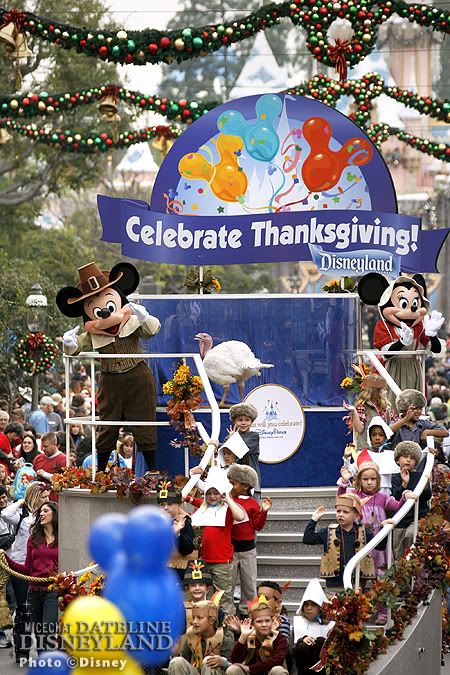
The venue changed in 2005, however, when Disneyland was celebrating its fiftieth anniversary. That year, a lucky turkey named "Marshmallow," and his alternate, "Yam," were taken by police escort to the airport and then flown first class to California. According to the Associated Press:

Marshmallow became the Grand Marshal of Disneyland's Thanksgiving parade, and the sign above his float read "The Happiest Turkey on Earth." The turkeys then retired to a coop at the park's Big Thunder Ranch, where three of the pardoned birds...still live. Florida's Disney World got the birds from 2007, when they arrived on a United Airlines flight that was renamed "Turkey One."

This year, the venue will change yet again. Instead of being sent to Disneyland, the 21-week-old turkey that President Obama will pardon this Wednesday will be sent to live out the rest of his life at George Washington's Mount Vernon Estate in Virginia. Upon its arrival at Mount Vernon, he will reportedly "be driven to his pen in a horse-drawn carriage and be greeted with a trumpet fanfare."

A spokeswoman for Mount Vernon said that it's appropriate that the turkey will go to Washington's home since he was the first president to issue a Thanksgiving Proclamation, and the Washingtons also raised and ate wild turkeys at Mount Vernon.

Although the spokeswoman didn't say how the Washington's preferred to serve their Thanksgiving birds, the Mount Vernon Inn does offer a daily lunch menu that includes a "Colonial Turkey Pye" which is described as "a turkey stew served with mixed vegetables and topped with a homemade buttermilk biscuit."

While it might be difficult to obtain a copy of that particular recipe, you can try this quick and simple recipe for Turkey Pot Pie if you need something to do with your leftover turkey this Thanksgiving:

1 sheet frozen puff pastry
1 egg, beaten
1/2 cup milk
2 (11-ounce) cans condensed Cheddar cheese soup
2 (10 3/4-ounce) cans cream of celery soup
1 large turkey skinned, cooked, boned and cubed
2 medium onions, diced
2 cup cooked butternut squash, diced
2 cup cranberries
Salt and pepper

Preheat oven to 350 degrees F. To make the crust, dust surface with flour. Cut 1 sheet of frozen puff pastry into 1-inch strips, 8 inches long. On a large cookie sheet, weave strips into a lattice large enough to cover each pot pie. Mix egg and milk together and brush onto each lattice square. Bake for 5 minutes. Dough will rise and turn light golden brown. Set aside until ready to assemble pies. In a large saucepan heat the soups. Stir in turkey, onion, squash, cranberries, salt and pepper. Bring mixture to a boil. In an oven-proof dish, fill with mixture and top with the pre-cooked lattice square. Bake for 5 minutes until bubbly and puff pastry is deep golden brown.

FAST FACT: According to recent news reports, two turkeys boarded a United Airlines flight dubbed "Turkey One" departing from San Francisco to Washington D.C. last Friday. The birds were named Apple and Cider by California schoolchildren "who submitted 200 suggestions to the White House." The gobblers reportedly checked into "a private room at the W Hotel in Washington - carpeted in wood chips - and will feast on room-service corn feed until National Turkey Federation CEO...Yubert Envia delivers the plump 40-pounders to the Rose Garden," where President Obama will offer his official pardon the day before Thanksgiving!

Monday, November 15, 2010

George Bush's Top-Secret Thanksgiving Dinner

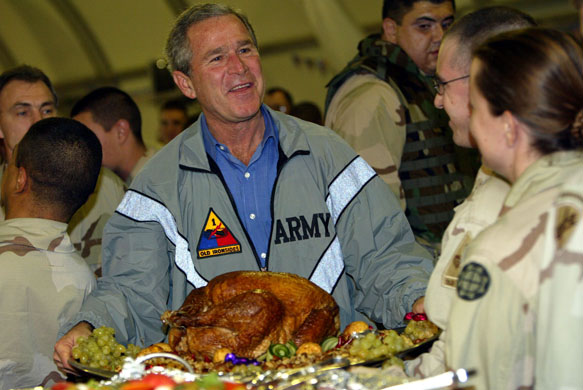
Traveling under extraordinary secrecy to ensure his safety, President George W. Bush made a surprise Thanksgiving visit to American troops in Baghdad in November of 2003. According to a USA Today news report, Bush “shared a holiday dinner with U.S. troops in a military mess hall at Baghdad International Airport."

Wearing a grey army jacket and with his eyes reportedly wet with tears, Bush strode out as about six hundred American soldiers leapt to their feet and cheered. In his remarks, the president said:

Thank you for inviting me to dinner...I can't think of a finer group of folks to have Thanksgiving dinner with than you all. We're proud of you. Today, Americans are gathering with their loved ones to give thanks for the many blessings in our lives. And this year we are especially thankful for the courage and the sacrifice of those who defend us, the men and women of the United States military...

You're engaged in a difficult mission. Those who attack our coalition forces and kill innocent Iraqis are testing our will. They hope we will run. We did not charge hundreds of miles into the heart of Iraq, pay a bitter cost in casualties, defeat a brutal dictator and liberate 25 million people only to retreat before a band of thugs and assassins...

On this Thanksgiving, our nation remembers the men and women of our military, your friends and comrades who paid the ultimate price for our security and freedom. We ask for God's blessings on their families, their loved ones and their friends, and we pray for your safety and your strength, as you continue to defend America and to spread freedom.

Each one of you has answered a great call...You live by a code of honor, of service to your nation, with the safety and the security of your fellow citizens. Our military is full of the finest people on the face of the earth. I'm proud to be your commander in chief. I bring greetings from America. May God bless you all.


To the troops great surprise, President Bush then stood in a chow line and dished out sweet potatoes and corn for Thanksgiving dinner and posed with a huge platter of turkey.

Because of security concerns, Air Force One had landed in Baghdad with its lights dimmed and window shades closed to minimize chances of it being made a target. And news of the top-secret trip wasn’t made public until after Air Force One was back in the air, heading back to the United States.

Of course, earlier that week, President Bush had pardoned the national Thanksgiving turkey at the White House, marking the 56th anniversary of the annual event. Apart from some gobbling while the president spoke, the lucky turkey, according to CNN, “was generally well behaved during the Rose Garden ceremony."

Once again referring to the courage of American troops, President Bush, standing next to the relieved turkey, said:

It speaks well for America that one of our most important holidays is set aside for sharing and appreciating our blessings...This year, as in other times in our history, we can be especially grateful for the courage and faithfulness of those who defend us.

The same holds true today, as always.

FAST FACT: George W. Bush wasn't the first American president to visit troops on the front-line on Thanksgiving Day. His father, George H.W. Bush, visited U.S. troops at a desert outpost in Saudi Arabia on Thanksgiving Day in 1990.

To read an excerpt from my new book from Simon and Schuster click here

Tuesday, November 2, 2010

John F. Kennedy's Inaugural Luncheon

Fifty years ago this week, John F. Kennedy defeated Richard Nixon in one of the closest and most dramatic presidential elections in American history. Two and a half months later, on January 20, 1961, Kennedy was sworn in as the first Roman Catholic president of the United States and delivered his Inaugural address on the terrace of the East Portico of the U.S. Capital. In his eloquent address, Kennedy said:

...Fellow citizens, we observe today not a victory of party, but a celebration of freedom – symbolizing an end, as well as a beginning – signifying renewal, as well as change. For I have sworn before you and Almighty God the same solemn oath our forebears prescribed nearly a century and three quarters ago...

We dare not forget today that we are the heirs of that first revolution. Let the word go forth from this time and place, to friend and foe alike, that the torch has been passed to a new generation of Americans – born in this century, tempered by war, disciplined by a hard and bitter peace, proud of our ancient heritage – and unwilling to witness or permit the slow undoing of those human rights to which this Nation has always been committed, and to which we are committed today at home and around the world.

Let every nation know, whether it wishes us well or ill, that we shall pay any price, bear any burden, meet any hardship, support any friend, oppose any foe, to assure the survival and the success of liberty.

This much we pledge – and more.

And so, my fellow Americans: ask not what your country can do for you - ask what you can do for your country. My fellow citizens of the world: ask not what America will do for you, but what together we can do for the freedom of man...


After delivering his address, Kennedy and his wife Jacqueline were escorted to the Old Supreme Court Chamber in the U.S. Capitol for the traditional inaugural luncheon. According to Senate historians, the menu items included cream of tomato soup with crushed popcorn; deviled crab meat imperial; New England boiled stuffed lobster with drawn butter; prime Texas ribs of beef au jus; string beans amandine and broiled tomatoes with grapefruit and avocado sections with poppyseed dressing.

Although the traditional inaugural luncheon at the Capital dates back to 1897 when the Senate Committee on Arrangements hosted a luncheon for President McKinley and several other guests, it didn't begin in its current form until 1953 when President Eisenhower, his wife, and fifty other guests dined on creamed chicken, baked ham, and potato puffs in the Old Senate Chamber.

Since then, the Joint Congressional Committee on Inaugural Ceremonies has organized a luncheon celebration at fourteen Presidential Inaugurations. Often featuring cuisine reflecting the home states of the new President and Vice President, as well as the theme of the Inauguration, the luncheon program includes speeches, gift presentations, and toasts to the new administration.

FOOD FACT: According to historians, President Kennedy preferred orange juice, poached eggs on toast, crisp broiled bacon, milk and coffee at breakfast. For lunch, he enjoyed all kinds of soup, especially New England Fish Chowder. As for dinner, there were no particular favorites, although it has been said that liked lamb chops, steak, turkey, baked beans and mashed potatoes. He also enjoyed corn muffins, and, for dessert, if he had any, it would likely be something prepared with chocolate. Biographers say that Kennedy was a light eater and often had to be reminded that it was dinner time because "politics always took preference over food."

Thursday, October 28, 2010

Franklin Roosevelt's Royal Hot Dog Diplomacy


When Franklin D. Roosevelt invited England’s King George VI for a visit to the United States in June of 1939, the significance of the invitation reportedly did not go unnoticed. Ever since America declared its independence from England in 1776, "the United States and Great Britain had oftentimes experienced tense relations, but Roosevelt's invitation carried great significance in the history of Anglo-American relations, not only because of their colonial past, but more importantly, because it signified the dawn of a new era in American and British cooperation.”

With Europe on the brink of war, Roosevelt realized the need to forge closer ties between the two democracies and he reportedly “planned every minute detail of the visit to ensure the King’s success in winning over the sympathy and support of the American people." His efforts apparently paid off. According to historians at the Franklin D. Roosevelt Presidential Library and Museum:

Americans heartily welcomed England's royalty with thunderous applause and adulation when the King and Queen arrived in Washington on June 8, 1939. Crowds lined the streets for a chance to glimpse the King and Queen as they traveled throughout the city. In Washington, the couple was treated to all the formalities one would expect from a State Visit. There was an afternoon reception at the British Embassy, followed by a formal evening of dining and musical entertainment at the White House.

On their second day, the King and Queen took in the sights of DC as they boarded the presidential yacht and sailed up the Potomac River to George Washington's Mount Vernon and to Arlington Cemetery to lay a wreath at the Tomb of the Unknown Soldier. After two days in Washington, the...royal couple accompanied the Roosevelts to their home in Hyde Park, New York [where]...they enjoyed the simpler things in life. In contrast to the formal State Dinner at the White House, dinner at the Roosevelt's home...was described to the press as a casual dinner between the two families.


Even more informal was the following day's event - an old-fashioned, American-style picnic which included the following menu items: Virginia Ham, Smoked Turkey, Cranberry Jelly, Green Salad, Sodas, Beer and...Hot Dogs! The next day, news of the picnic made the front page of the New York Times, under the headline, “KING TRIES HOT DOG AND ASKS FOR MORE.” While the King reportedly ate his hot dog by hand like an American, the Queen daintily cut hers with a knife and fork.


Although the royal visit was surely the high point of the Roosevelt's 1939 social season, the president and the king also discussed the dire political and military situation developing in Europe.

Equally important to Roosevelt, however, was that the visit "changed the perceptions of the American people, which in turn allowed him to do more for Britain. When England declared war on Germany three months later, Americans, due in no small part to the King and Queen's visit, sympathized with England's plight. Britons were no longer strangers or the evil colonial rulers from the past but familiar friends and relatives with whom Americans could identify."

For their part, the Royal Couple was deeply appreciative of the Roosevelt’s efforts and of the outpouring of support from the American people. In a letter to Mrs. Roosevelt, the Queen later wrote:

I must tell you how moved I have been by the many charming, sympathetic, and understanding letters which I have received from kind people in the United States. Quite poor people have enclosed little sums of money to be used for our wounded, our sailors, or mine sweepers. It really has helped us, to feel such warmth of human kindness and goodness, for we still believe truly that humanity is overall.

Sometimes, during the last terrible months, we have felt rather lonely in our fight against evil things, but I can honestly say that our hearts have been lightened by the knowledge that friends in America understand what we are fighting for. We look back with such great pleasure to those lovely days we spent with you last June. We often talk of them, and of your & the President's welcome & hospitality. The picnic was great fun, and our children were so thrilled with the descriptions of the Indian singing & marvelous clothes - not to mention the hot dogs!


Although the picnic appeared to be a casual affair, much fuss had been made in advance of it. Almost a month before the event, Eleanor Roosevelt expressed concern about it in her newspaper column called "My Day." In an entry dated May 25, 1939, she wrote: Oh dear, oh dear, so many people are worried that the dignity of our country will be imperiled by inviting Royalty to a picnic, particularly a hot dog picnic! My mother-in-law has sent me a letter which begs that she control me in some way...Let me assure you, dear readers, that if it is hot there will be no hot dogs, and even if it is cool there will be plenty of other food, and the elder members of the family and the more important guests will be served with due formality.