Showing posts with label Abuse of Power. Show all posts

Wednesday, June 5, 2019

Franklin Delano Roosevelt, World War II, and "There's Not Enough Milk for the Babies"

On February 19, 1942, just two and a half months after the Japanese attack on Pearl Harbor, President Franklin Delano Roosevelt signed Executive Order 9066 which led to the internment of more than 125,000 Japanese-American citizens who were forcibly removed from their homes and detained in internment camps on the West Coast until the end of World War II.

The daily conditions of camp life are especially vivid in descriptions of the mass feeding of thousands of Japanese men, women and children. On May 11, 1942, Joseph Conrad of the American Friends Service Committee submitted a Progress Report to the federal government which read:

There's not enough milk for the babies in camp because the Army's contract for milk is with farmers in Oregon and even though there is plenty of milk in the neighboring towns begging to be used, red tape makes it impossible.

There hasn't been enough food to go around because there were [more] arrivals than were expected. Some have gone without meals several times. There has been no fresh vegetables; no fruit (and a large part of the population are children), no fresh meat, but plenty of canned food for those who were early in line to get it...


Meanwhile, as thousands of interned children were suffering from malnutrition, millions of homeless and unemployed Americans were starving during the Great Depression. To address this national crisis, Soup Kitchens began opening in large cities and small towns throughout the United States.

When soup kitchens first appeared, they were generally run by churches or private charities. But by the mid-1930s, when Roosevelt was in office, state and federal governments were also operating them. Why soup? Throughout history, soup has been one of the primary foods consumed by poor and homeless people. If you think about it, this makes sense because soup is economical (it can be prepared with whatever scraps of food are available and can be stretched to feed more people by adding water). It is also quick and simple to make (only a pot is needed) and easy to serve (it requires only a bowl and spoon, or, in a pinch, can be sipped).

Like many Americans during the Great Depression, President Roosevelt and his wife Eleanor consumed economical foods like fried cornmeal mush with dry crackers and stew. According to White House chef Henrietta Nesbitt, soup was another Roosevelt family favorite:

There was never such a family for soups as the Roosevelts. All the years they occupied the White House we kept the big steel soup kettles singing in the White House - clear soup for dinner and cream soup for lunch. Pretty nearly every usable variety of fish, fowl, beast, mineral, vegetable, and contiment was used in our White House soups...

Give Mrs. Roosevelt a bowl of soup and a dish of fruit for lunch and she'd be off with recharged vitality on one of her trips...Cream of almond - L'Amande soup - was one of her special favorites. The President was partial to fish soups... Among the recipes his mother gave me was the one for clam chowder...Another of his favorites was the green turtle soup, and there was always a great fuss when it was made.


Today, green turtle soup is prohibited in the United States because most species of sea turtles are considered threatened or endangered. But you can try this simple and economical recipe for Chicken Rice Soup from the Food Network courtesy of Ree Drummond or this one for Creamy Chicken Soup:
.

3 tablespoons unsalted butter
2 tablespoons all-purpose flour
4 cups chicken stock
2 cups heavy cream
2 egg yolks, beaten
coarse Salt, to taste
fresh ground black pepper, to taste
2 cups diced cooked boneless, skinless, chicken breast
chopped fresh parsley

Add butter to stockpot. Melt over low heat. Stir in flour, and stir for 2 minutes. Gradually stir in chicken stock. Heat over medium heat, almost but not boil. Add heavy cream and egg yolks to medium bowl. Whisk to combine. Ladle in ½ cup hot soup. Blend with whisk. Stir cream mixture into stockpot. Season with coarse salt and ground black pepper. Add chicken meat and Simmer until heated through but not boiling. Serve hot in individual soup bowls. Garnish with chopped parsley.

FOOD FACT: In a 1942 New Republic article, Ted Nakashima described the daily conditions of camp life this way: The food and sanitation problems are the worst. We have had absolutely no fresh meat, vegetables or butter since we came here. Mealtime queues extend for blocks; standing in a rainswept line, feet in the mud, waiting for the scant portions of canned wieners and boiled potatoes, hash for breakfast or canned wieners and beans for dinner. Milk only for the kids. Coffee or tea dosed with saltpeter and stale bread are the adults' staples.

Tuesday, May 14, 2019

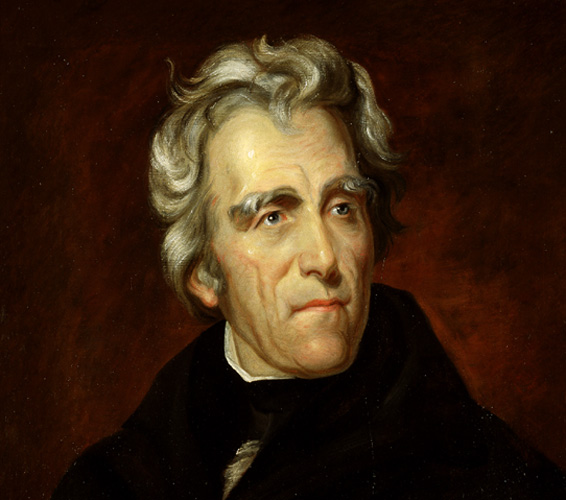
Andrew Jackson Benne Wafers

Andrew Jackson was so strong-willed as president that his enemies called him King Andrew I, portraying him as a tyrannical ruler who abused presidential powers and trampled on the constitution.

During his two terms of office, Jackson vetoed the recharter of the Second Bank of the United States, signed the “Tariff of Abominations” which led to the Nullification Crisis and ignored an important Supreme Court decision protecting Native American rights.

Jackson was also no stranger to slavery. More than 150 slaves worked day and night at his stately Tennessee mansion "The Hermitage" where cooks prepared his favorite southern foods, including Braised Duck, Chicken Hash, Old Hickory Soup and Wild Barbecued Goose.


Popular in the south throughout the nineteenth century, Benne Wafers were another Jackson family favorite. Today, these delightfully light, crisp, paper-thin cookies can still be found in bakeries and candy shops throughout the south.

If you'd like to whip up a batch of Benne Wafers today, here's a a recipe to try from CookinCanuck.com and here's another one that's simple to make and tastes simply delicious!


¾ cup sesame seeds, toasted
1 cup firmly packed brown sugar
4 tablespoons (½ stick) butter, softened
1 egg, lightly beaten
½ cup all purpose flour
¼ teaspoon salt
¼ teaspoon baking powder
1 teaspoon vanilla extract

Preheat oven to 325ยบ F. Cover cookie sheet with parchment paper or lightly grease it. In a heavy skillet over medium heat, toast the sesame seeds until they are golden brown, about 4 minutes.

In a medium bowl, beat the brown sugar and butter together until fluffy, about 3 minutes. Beat in the egg. In a separate bowl, whisk together the flour, salt, and baking powder, then add to the butter, sugar and egg mixture and mix until well-combined. Stir in the sesame seeds and vanilla.

Drop by teaspoonful onto prepared cookie sheet about 3 inches apart. Bake for 10 minutes, or until the edges are lightly browned. Let cool for a few minutes and then transfer to a rack to continue cooling.

Credit: Jackson in 1824, painting by Thomas Sully.

Friday, January 25, 2019

Richard Nixon, Watergate, and Family-Style Meatloaf


Around 2:30 a.m. on June 17, 1972, five men, one of whom was a former employee of the CIA, were arrested in what authorities would later describe as "an enormous plot to bug the offices of the Democratic National Committee" at the Watergate complex in Washington D.C.

It was an election year, and, as the investigation into the break-in unfolded, a pattern of unlawful activites within President Richard Nixon's administration was uncovered by the press. Together, these federal crimes and misdeeds would become known as "the Watergate scandal" and lead to Nixon's resignation from the Office of the Presidency on August 9, 1974.

On his final day in office, Nixon reportedly awoke at 7:00 a.m. after "a fitful night." After a light breakfast, Nixon signed a one-sentence Letter of Resignation and said an emotional goodbye to his staff. Shortly after 9:00 a.m. he entered the East Room and made a brief Farewell Address to an overflow crowd of White House staff and Cabinet members. He then joined Gerald Ford for a short walk across the South Lawn to a helicopter that would whisk him away into history.


The previous evening, Nixon had delivered a televised Resignation Address to the nation. After acknowledging that he had lost the support of Congress and saying, "I have never been a quitter," Nixon said:

To leave office before my term is completed is abhorent to every instinct in my body. But as President I must put the interests of America first. America needs a full-time President and a full-time Congress, particularly at this time with problems we face at home and abroad.

To continue to fight through the months ahead for my personal vindication would almost totally absorb the time and attention of both the President and the Congress in a period when our entire focus should be on the great issues of peace abroad and prosperity without inflation at home.

Therefore, I shall resign the Presidency effective at noon tomorrow. Vice President Ford will be sworn in as President at that hour in this office. As I recall the high hopes for America with which we began this second term, I feel a great sadness that I will not be here in this office working on your behalf to achieve those hopes in the next 2 1/2 years.


It doesn't take too much investigative work to uncover records of what Nixon ate for breakfast on his final day in office, as it has been reported that it consisted of a small plate of cottage cheese with sliced pineapple and a glass of milk.


White House Chef Henry Haller later revealed that, at breakfast, Nixon "liked fresh fruit, wheat germ with nondairy creamer and coffee." At dinner, Nixon enjoyed Sirloin Steak, cooked medium-rare and lightly seasoned; Chicken Cordon Blue; and more simple dishes like Spaghetti and Meatballs. He was also fond of his wife Patricia's Family-Style Meatloaf. According to Haller:

Meat loaf appeared about once a month on the family dinner menus. As soon as the public became aware of this fact, the White House was inundated with inquires for the recipe that so pleased the presidential palate. To ease my burden, Mrs. Nixon's meat loaf recipe was printed on White House stationery to be sent in response to the thousands of requests for it.

If you'd like to get a taste of Pat Nixon's Meatloaf at your next family dinner, here's a recipe to try here and here's the original recipe from The White House Cookbook by Henry Haller:


2 tablespoons butter
1 cup finely chopped onions
2 garlic cloves, minced
3 slices white bead
1 cup milk
2 pounds lean ground beef
2 eggs, lightly beaten
1 teaspoon salt
ground black pepper, to taste
1 tablespoon chopped fresh parsley
1/2 teaspoon dried thyme
1/2 teaspoon dried marjoram
2 tablespoons tomato puree
2 tablespoons bread crumbs

Grease a 13-by-9-inch baking pan. Melt butter in a saute pan, add garlic and saute until just golden. Let cool. Dice bread and soak it in milk. In a large mixing bowl, mix ground beef by hand with sauteed onions and garlic and bread pieces. Add eggs, salt, pepper, parsley, thyme and marjoram and mix by hand in a circular motion.

Turn this mixture into the prepared baking pan and pat into a loaf shape, leaving at least one inch of space around the edges to allow fat to run off. Brush the top with the tomato puree and sprinkle with bread crumbs. Refrigerate for 1 hour to allow the flavors to penetrate and to firm up the loaf.

Preheat oven to 375 degrees. Bake meatloaf on lower shelf of oven for 1 hour, or until meat is cooked through. Pour off accumulated fat while baking and after meat is fully cooked. Let stand on wire rack for five minutes before slicing.


FAST FACT: A year and a half before Nixon resigned, an entirely different calamity unfolded in Washington. This time, it didn't involve illegal break-ins and phone taps but...pigeons! It all began the day before Nixon's second inaugural parade when attempts were made to clear pigeons from Pennsylvania Avenue. Upon Nixon's request, the inaugural committeee spent $13,000 to smear tree branches with a chemical repellent called “Roost No More” which was supposed to drive the bothersome birds away by making their feet itch. Sadly, many of the pigeons ate the stuff and keeled over, leaving the parade route littered with "dead and dying birds which had to be hurriedly swept away.” Doh!