Showing posts with label Constitution. Show all posts

Wednesday, June 5, 2019

Franklin Delano Roosevelt, World War II, and "There's Not Enough Milk for the Babies"

On February 19, 1942, just two and a half months after the Japanese attack on Pearl Harbor, President Franklin Delano Roosevelt signed Executive Order 9066 which led to the internment of more than 125,000 Japanese-American citizens who were forcibly removed from their homes and detained in internment camps on the West Coast until the end of World War II.

The daily conditions of camp life are especially vivid in descriptions of the mass feeding of thousands of Japanese men, women and children. On May 11, 1942, Joseph Conrad of the American Friends Service Committee submitted a Progress Report to the federal government which read:

There's not enough milk for the babies in camp because the Army's contract for milk is with farmers in Oregon and even though there is plenty of milk in the neighboring towns begging to be used, red tape makes it impossible.

There hasn't been enough food to go around because there were [more] arrivals than were expected. Some have gone without meals several times. There has been no fresh vegetables; no fruit (and a large part of the population are children), no fresh meat, but plenty of canned food for those who were early in line to get it...


Meanwhile, as thousands of interned children were suffering from malnutrition, millions of homeless and unemployed Americans were starving during the Great Depression. To address this national crisis, Soup Kitchens began opening in large cities and small towns throughout the United States.

When soup kitchens first appeared, they were generally run by churches or private charities. But by the mid-1930s, when Roosevelt was in office, state and federal governments were also operating them. Why soup? Throughout history, soup has been one of the primary foods consumed by poor and homeless people. If you think about it, this makes sense because soup is economical (it can be prepared with whatever scraps of food are available and can be stretched to feed more people by adding water). It is also quick and simple to make (only a pot is needed) and easy to serve (it requires only a bowl and spoon, or, in a pinch, can be sipped).

Like many Americans during the Great Depression, President Roosevelt and his wife Eleanor consumed economical foods like fried cornmeal mush with dry crackers and stew. According to White House chef Henrietta Nesbitt, soup was another Roosevelt family favorite:

There was never such a family for soups as the Roosevelts. All the years they occupied the White House we kept the big steel soup kettles singing in the White House - clear soup for dinner and cream soup for lunch. Pretty nearly every usable variety of fish, fowl, beast, mineral, vegetable, and contiment was used in our White House soups...

Give Mrs. Roosevelt a bowl of soup and a dish of fruit for lunch and she'd be off with recharged vitality on one of her trips...Cream of almond - L'Amande soup - was one of her special favorites. The President was partial to fish soups... Among the recipes his mother gave me was the one for clam chowder...Another of his favorites was the green turtle soup, and there was always a great fuss when it was made.


Today, green turtle soup is prohibited in the United States because most species of sea turtles are considered threatened or endangered. But you can try this simple and economical recipe for Chicken Rice Soup from the Food Network courtesy of Ree Drummond or this one for Creamy Chicken Soup:
.

3 tablespoons unsalted butter
2 tablespoons all-purpose flour
4 cups chicken stock
2 cups heavy cream
2 egg yolks, beaten
coarse Salt, to taste
fresh ground black pepper, to taste
2 cups diced cooked boneless, skinless, chicken breast
chopped fresh parsley

Add butter to stockpot. Melt over low heat. Stir in flour, and stir for 2 minutes. Gradually stir in chicken stock. Heat over medium heat, almost but not boil. Add heavy cream and egg yolks to medium bowl. Whisk to combine. Ladle in ½ cup hot soup. Blend with whisk. Stir cream mixture into stockpot. Season with coarse salt and ground black pepper. Add chicken meat and Simmer until heated through but not boiling. Serve hot in individual soup bowls. Garnish with chopped parsley.

FOOD FACT: In a 1942 New Republic article, Ted Nakashima described the daily conditions of camp life this way: The food and sanitation problems are the worst. We have had absolutely no fresh meat, vegetables or butter since we came here. Mealtime queues extend for blocks; standing in a rainswept line, feet in the mud, waiting for the scant portions of canned wieners and boiled potatoes, hash for breakfast or canned wieners and beans for dinner. Milk only for the kids. Coffee or tea dosed with saltpeter and stale bread are the adults' staples.

Tuesday, May 14, 2019

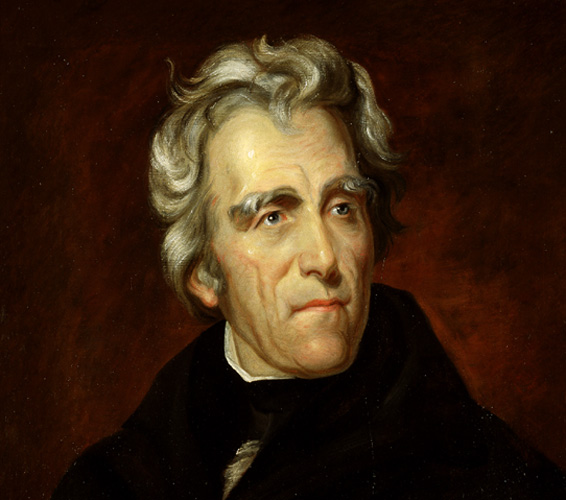
Andrew Jackson Benne Wafers

Andrew Jackson was so strong-willed as president that his enemies called him King Andrew I, portraying him as a tyrannical ruler who abused presidential powers and trampled on the constitution.

During his two terms of office, Jackson vetoed the recharter of the Second Bank of the United States, signed the “Tariff of Abominations” which led to the Nullification Crisis and ignored an important Supreme Court decision protecting Native American rights.

Jackson was also no stranger to slavery. More than 150 slaves worked day and night at his stately Tennessee mansion "The Hermitage" where cooks prepared his favorite southern foods, including Braised Duck, Chicken Hash, Old Hickory Soup and Wild Barbecued Goose.


Popular in the south throughout the nineteenth century, Benne Wafers were another Jackson family favorite. Today, these delightfully light, crisp, paper-thin cookies can still be found in bakeries and candy shops throughout the south.

If you'd like to whip up a batch of Benne Wafers today, here's a a recipe to try from CookinCanuck.com and here's another one that's simple to make and tastes simply delicious!


¾ cup sesame seeds, toasted
1 cup firmly packed brown sugar
4 tablespoons (½ stick) butter, softened
1 egg, lightly beaten
½ cup all purpose flour
¼ teaspoon salt
¼ teaspoon baking powder
1 teaspoon vanilla extract

Preheat oven to 325ยบ F. Cover cookie sheet with parchment paper or lightly grease it. In a heavy skillet over medium heat, toast the sesame seeds until they are golden brown, about 4 minutes.

In a medium bowl, beat the brown sugar and butter together until fluffy, about 3 minutes. Beat in the egg. In a separate bowl, whisk together the flour, salt, and baking powder, then add to the butter, sugar and egg mixture and mix until well-combined. Stir in the sesame seeds and vanilla.

Drop by teaspoonful onto prepared cookie sheet about 3 inches apart. Bake for 10 minutes, or until the edges are lightly browned. Let cool for a few minutes and then transfer to a rack to continue cooling.

Credit: Jackson in 1824, painting by Thomas Sully.

Tuesday, January 10, 2017

George Washington's Thursday Dinners


When George Washington was inaugurated in March, 1789, some of the most pressing questions facing the new nation involved social manners and etiquette. This may seem trivial today, but back then, George and his fellow patriots had just fought a long war against the British Crown and they wanted to be sure that the American people would never mistake their president for a king.

How much pageantry should surround the office of the presidency? How elaborate should presidential dinners be? And how should the new president be addressed? As “His Excellency” or “His Mightiness”? These were questions of great importance when George Washington took the Oath of Office on the balcony of Federal Hall in New York City on April 30, 1789.


Immediately after taking office, Washington distributed questionnaires to his advisors, soliciting their opinions regarding the basis of “a tenable system of etiquette.” After much discussion, it was decided that George would be addressed as President Washington or simply Mr. President.

It was also decided that “levees” (receptions) would be held each Tuesday afternoon for "foreign ambassadors and other strangers of distinction” and that congressional dinners would be held each Thursday. Friday nights were chosen for Martha Washington’s “Drawing Rooms” and the remaining days were reserved for state banquets and personal entertaining.

Despite his desire to avoid the trappings of monarchy, George's Thursday dinners were truly fit for a king. "Dinners would begin promptly at four o’clock," according to culinary historian Poppy Cannon, and would often consist of three "bountiful" courses, the first two of which typically consisted of fifteen or twenty different dishes – all brought to the table at once!

A menu from Martha Washington’s family cookbook reveals just how elaborate these dinners could be. For a first course, she suggested serving Boiled Turkey, Baked Salmon, Shoulder of Mutton, Chicken Patties, Baked Ham, Stewed Cabbage, Scotch Collops, Pork Cutlets and Sauce Robert with Mashed Potatoes, Maids of Honors, Dressed Greens, French Beans, Oyster Loaves and Celery Sauce.


This course would be followed by Asparagus a la Petit Poi, Crayfish in Sauce, Fruit in Jelly, Lamb Tails, Partridges, Poached Salmon, Wild Duck, Roasted Hare, Sweetbreads, Plovers, Prawns, and Chardoons with Fricassed Birds, Rhenish Cream and custard.

After this course, the table cloth was removed and fresh glasses and decanters of wine were placed on the table with all kinds of fruits and nuts. If Martha and other ladies were present, they would excuse themselves at this point and the men would settle down (with very full bellies!) to talk about politics and other important affairs of the day.

Although Martha's dishes might be difficult to duplicate today, you can try this fabulous recipe for Poached Salmon with Creamy Dill Sauce or this one for Poached Salmon with Dill from simplyrecipes.com.


1 to 1½ pounds salmon fillets
½ cup dry white wine (a good Sauvignon Blanc)
½ cup water
A few thin slices of yellow onion and/or 1 shallot, peeled and sliced thin
Several sprigs of fresh dill or sprinkle of dried dill
A sprig of fresh parsley

Put wine, water, dill, parsley and onions in a saute pan, and bring to a simmer on medium heat. Place salmon, skin-side down on the pan. Cover and cook for 5 minutes. Season with freshly ground black pepper and enjoy.

FOOD FACT: If you visit Mount Vernon someday, be sure to stop by the Mount Vernon Inn Restaurant which serves such authentic colonial appetizers as Peanut and Chestnut Soup, Colonial Hoe Cakes, and Fried Brie with Strawberry Sauce. Dinner menu items include Filet Mignon wrapped in Virginia Pepper Bacon;  Roast Duckling with “George Washington’s favorite Apricot Sauce,” and Stuffed Pork Loin with Opium Sauce!

Wednesday, November 2, 2011

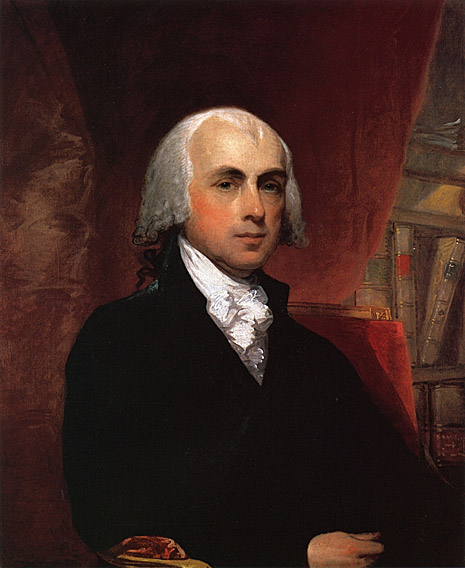
James Madison, the Potomac Oyster Wars, and the Constitutional Convention

So you probably know that James Madison was one of the drafters of the Constitution and later helped spearhead the drive for the Bill of Rights, but what you might not know is that he also played a major role in negotiating an end to the Potomac Oysters Wars which indirectly helped pave the way to the Constitutional Convention. This is how the story briefly goes:

In the seventeenth century, watermen in Maryland and Virginia battled over ownership rights to the Potomac River. Maryland traced its rights to a 1632 charter from King Charles I which included the river. At the same time, Virginia laid its claims to the river to an earlier charter from King James I and a 1688 patent from King James II, both of which also included the river.

In 1776, after more than a century of conflict, Virginia ceded ownership of the river but reserved the right to “the free navigation and use of the rivers Potowmack and Pocomoke." Maryland rejected this reservation and quickly passed a resolution asserting total control over the Potomac. After the Revolution, battles over the river intensified between watermen from both states.

To resolve this problem, leaders from Maryland and Virginia appointed two groups of commissioners which, at the invitation of George Washington, met at Mount Vernon in May of 1785. James Madison led the Virginia contingent and Samuel Chase led the Maryland delegation. Their discussions led to the Compact of 1785, which allowed oystermen from both states free use the river.

Peace prevailed until the supply of oysters began to dwindle, at which point Maryland re-imposed harvesting restrictions. Virginia retaliated by closing the mouth of the Chesapeake and watermen from both states engaged in bloody gun battles which lasted, with periodic breaks, for more than a century.

Today, these battles are known as the Potomac Oyster Wars. They are important in their own right, but they have a larger historical significance because they revealed one of the main weaknesses of the Articles of Confederation, which was that the federal government didn't have the power to control commerce among the states, a setup that was creating constant chaos and conflict.

With this problem in mind, Madison and the others who convened at Mt. Vernon in May of 1785 agreed to meet the following year at Annapolis to discuss the need for a stronger federal government. Not many delegates showed up and so they agreed to convene the following May in Philadelphia, which is, of course, where the Constitution was drafted.

And so NOW you know how James Madison and a little bivalve from the Potomac helped pave the way to the Constitutional Convention!

FACT: Under the Articles of Confederation, the federal government didn't have the power to raise its own army, regulate commerce between the states, or coin money for the country. To pass a law, Congress needed the approval of nine out of the 13 states, and in order to amend the Articles it needed the approval of all 13 states, which made it nearly impossible to get anything done! The Articles also didn't provide for an Executive or Judicial branch so there was no separation of powers.

Thursday, September 30, 2010

Woodrow Wilson, Prohibition, and the Boston Molasses Disaster of 1919

At 12:40 p.m. on January 15, 1919, in Boston’s Industrial North End, a fifty-five foot high steel storage tank containing more than two million gallons of molasses exploded, unleashing an immense wave of thick, viscous goo that swept through the city streets as fast as 35 miles per hour.

The wave – initially thirty feet high, according to some bystanders – exerted enough force “to break the girders of the adjacent Boston Elevated Railway's Atlantic Avenue structure and lift a train off its tracks.” The force of the blast and the ensuing tsunami also overturned dozens of cars and trucks in its path and "demolished several nearby buildings, including a fire station which was crushed by a huge chunk of the steel tank."

Witnesses later stated that, as the tank collapsed, there was a loud rumbling sound, like a machine gun, and that “the ground shook as if a train were passing by.” In his book, Black Tide, Stephen Puleo described the disaster this way:

Molasses, waist deep, covered the street and swirled and bubbled about the wreckage. Here and there struggled a form — whether it was animal or human being was impossible to tell. Only an upheaval, a thrashing about in the sticky mass, showed where any life was…Horses died like so many flies on sticky fly-paper. The more they struggled, the deeper in the mess they were ensnared. Human beings — men and women — suffered likewise.

The next morning, the Boston Evening Globe ran a front-page story based on eyewitness accounts taken on that terrible day:

Fragments of the great tank were thrown into the air, buildings in the neighborhood began to crumple up as though the underpinnings had been pulled away from under them, and scores of people in the various buildings were buried in the ruins, some dead and others badly injured.

In all, more than 150 people were injured and 21 children and adults were killed, mostly by crushing or asphyxiation. Fueled by the intense anti-immigrant sentiments that swept through the United States during the post-World War I Red Scare, owners of the distillery tried to pin the disaster on Italian anarchists, claiming that they had bombed the tank because they knew that the molasses was intended to be fermented to produce ethyl alcohol, a key component in the manufacturing of munitions at the time.

Although the exact cause of the disaster was never determined, no evidence of sabotage was ever found and experts generally attributed it to unseasonably warm temperatures combined with structural defects and poor maintenance of the tank.

So what does this have to do with President Woodrow Wilson and food? Well, by coincidence, the day after the disaster, Congress ratified the 18th Amendment of the United States Constitution, which prohibited the manufacture, sale, and distribution of intoxicating liquors. With Prohibition looming on the horizon, rumors began to circulate which held that the tank had been overfilled to enable the owners of the distillery to produce as much rum as quickly as possible before the law took effect.

This claim was later proven untrue due to the fact that the distillery didn't make rum and specialized instead in the production of industrial alcohol, which was exempt from the state prohibition laws in effect at the time, and would later be exempted from the Volstead Act, which was passed by Congress on October 27, 1919 over President Wilson's veto.

Regardless of the cause, more than one hundred lawsuits were filed against the owners of the tank, and litigation dragged on for six years, during which 3,000 witnesses testified. In the end, the court ruled for the plaintiffs and ordered the company to pay nearly a million dollars in damages - a "bittersweet victory for survivors of one of the strangest disasters in American history."

FOOD FACT: Molasses was once used in the United States as the primary sweetener in cooking and baking. According to the Oxford Encyclopedia of Food and Drink, New England colonists also used molasses "as an ingredient in brewing birch beer and molasses beer and in distilling rum." In the early 1700s, "rum made in New England became an essential element in a highly profitable Triangular Trade across the Atlantic. The colonists exported rum to West Africa in trade for slaves; the ships brought the slaves from Africa to the French West Indies, trading them for more molasses and sugar; these products were then shipped to New England to make more rum....When the cost of refined sugar dropped at the end of the nineteenth century...molasses lost its role as an important sweetener in the American diet."

Friday, July 16, 2010

James Madison, the Potomac Oyster Wars and the Constitutional Convention

So you probably know that James Madison was one of the drafters of the Constitution and later helped spearhead the drive for the Bill of Rights, but what you might not know is that he also played a major role in negotiating an end to the Potomac Oysters Wars which indirectly helped pave the way to the Constitutional Convention. This is how the story briefly goes:

In the seventeenth century, watermen in Maryland and Virginia battled over ownership rights to the Potomac River. Maryland traced its rights to a 1632 charter from King Charles I which included the river. At the same time, Virginia laid its claims to the river to an earlier charter from King James I and a 1688 patent from King James II, both of which also included the river.

In 1776, after more than a century of conflict, Virginia ceded ownership of the river but reserved the right to “the free navigation and use of the rivers Potowmack and Pocomoke." Maryland rejected this reservation and quickly passed a resolution asserting total control over the Potomac. After the Revolution, battles over the river intensified between watermen from both states.

To resolve this problem, leaders from Maryland and Virginia appointed two groups of commissioners which, at the invitation of George Washington, met at Mount Vernon in May of 1785. James Madison led the Virginia contingent and Samuel Chase led the Maryland delegation. Their discussions led to the Compact of 1785, which allowed oystermen from both states free use the river.

Peace prevailed until the supply of oysters began to dwindle, at which point Maryland re-imposed harvesting restrictions. Virginia retaliated by closing the mouth of the Chesapeake and watermen from both states engaged in bloody gun battles which lasted, with periodic breaks, for more than a century.

Today, these battles are known as the Potomac Oyster Wars. They are important in their own right, but they have a larger historical significance because they revealed one of the main weaknesses of the Articles of Confederation, which was that the federal government didn't have the power to control commerce among the states, a setup that was creating constant chaos and conflict.

With this problem in mind, Madison and the others who convened at Mt. Vernon in May of 1785 agreed to meet the following year at Annapolis to discuss the need for a stronger federal government. Not many delegates showed up and so they agreed to convene the following May in Philadelphia, which is, of course, where the Constitution was drafted.

And so NOW you know how James Madison and a little bivalve from the Potomac helped pave the way to the Constitutional Convention!

FACT: Under the Articles of Confederation, the federal government didn't have the power to raise its own army, regulate commerce or coin money for the country. To pass a law, Congress needed the approval of nine out of the 13 states, and in order to amend the Articles it needed the approval of all 13 states, which made it nearly impossible to get anything done. The Articles also didn't provide for an Executive or Federal branch so there was no separation of powers.

Credit: Portrait of James Madison by Gilbert Stuart

Monday, July 5, 2010

Andrew Jackson Benne (Sesame) Wafers

Andrew Jackson was so strong-willed that his enemies called him King Andrew I, portraying him as a tyrannical ruler who abused presidential powers and trampled on the constitution.

During his two terms of office, Jackson vetoed the recharter of the Second Bank of the United States, signed the “Tariff of Abominations” which led to the Nullification Crisis and ignored an important Supreme Court decision protecting Native American rights.

Jackson was also no stranger to slavery. More than 150 slaves worked day and night at his stately Tennessee mansion "The Hermitage" where cooks prepared his favorite southern foods, including Braised Duck, Chicken Hash, Old Hickory Soup and Wild Barbecued Goose.

Popular in the south throughout the nineteenth century, Benne Wafers were another Jackson family favorite. Today, these delightfully light, crisp, paper-thin cookies can still be found in bakeries and candy shops throughout the south.

¾ cup sesame seeds, toasted
1 cup firmly packed brown sugar
4 tablespoons (½ stick) butter, softened
1 egg, lightly beaten
½ cup all purpose flour
¼ teaspoon salt
¼ teaspoon baking powder
1 teaspoon vanilla extract

Preheat oven to 325ยบ F. Cover cookie sheet with parchment paper or lightly grease it. In a heavy skillet over medium heat, toast the sesame seeds until they are golden brown, about 4 minutes.

In a medium bowl, beat the brown sugar and butter together until fluffy, about 3 minutes. Beat in the egg. In a separate bowl, whisk together the flour, salt, and baking powder, then add to the butter, sugar and egg mixture and mix until well-combined. Stir in the sesame seeds and vanilla.

Drop by teaspoonful onto prepared cookie sheet about 3 inches apart. Bake for 10 minutes, or until the edges are lightly browned. Let cool for a few minutes and then transfer to a rack to continue cooling.

Credit: Jackson in 1824, painting by Thomas Sully.