Showing posts with label Food Network. Show all posts

Monday, January 9, 2017

Richard Nixon Inaugural Grapefruit Avocado Salad

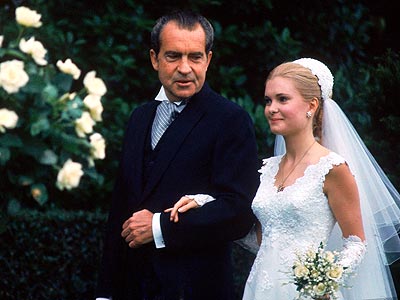
As devout Quakers, Richard Nixon’s parents taught their four sons patience, courage, and determination, traits that Nixon said he  drew strength from during trying times in his life. He later recalled that he "gained his first taste for politics during debates around the family dinner table" and described “friendly pillow fights with his three brothers in the small upstairs bedroom they shared.”

Growing up on a small citrus farm in Yorba Linda, California, Nixon might have enjoyed  grapefruit often, and Grapefruit-Avocado Salad was among the official menu items served at his second Inaugural Luncheon on January 20, 1973. If you'd like to whip up  a refreshingly colorful, slightly tangy Grapefruit Avocado Salad in honor of Richard Nixon's birthday today, here's a simple and simply delicious recipe to try from Ina Garten:      


1 tablespoon Dijon mustard
1/4 cup freshly squeezed lemon juice
1 1/2 teaspoons kosher salt
3/4 teaspoon freshly ground black pepper
1/2 cup olive oil
3 or 4 ripe Hass avocados
2 large red grapefruits

Place the mustard, lemon juice, salt, and pepper in a small bowl. Slowly whisk in the olive oil until the vinaigrette is emulsified.

Before serving, cut the avocados in 1/2, remove the seeds, and carefully peel off the skin. Cut each half into 4 thick slices. Toss the avocado slices in the vinaigrette to prevent them from turning brown. Use a large, sharp knife to slice the peel off the grapefruits (be sure to remove all the white pith), then cut between the membranes to release the grapefruit segments.

Arrange the avocado slices around the edge of a large platter. Arrange the grapefruit...and enjoy! 

Monday, February 8, 2016

Martha Washington Apple Puffs

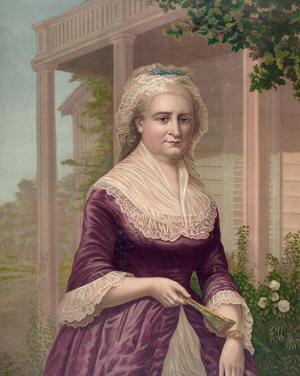
Martha Washington’s Booke of Cookery and Booke of Sweetmeats is a family cookbook that Martha compiled and used for fifty years. It contains more than five hundred recipes, mostly dating back to Elizabethan and Jacobean times, the golden age of English cookery. In her introduction to the Booke of Cookery, Karen Hesse explains some reasons why the art of home cooking has been neglected for so long by historians:

Few scholars are cooks – and ever fewer cooks scholars. Perhaps this accounts for the fact that no other aspect of human endeavor has been so neglected by historians as home cooking.

I cannot help but feel that this neglect is also related to the ageless depreciation of the work of women. Yet since time immemorial – when not searching for food, making baskets and pottery, tilling the soil and tending livestock, spinning and weaving, and bearing and raising children, of course – women have been inventing and perfecting the art of cooking.

The importance of agriculture and the significance of the spice routes were always well understood by the historians...but the homely art of the hearth has never been worthy of the same study as are other disciplines.


Hesse’s points are well-taken and will hopefully help stimulate more research into the fascinating and FUN field of culinary history. In the meantime, if you'd like to get a sense of the type of recipes that are contained in Martha's cookbook, here's a quaint "receipt" titled, "To Season Apples for Puffs"

Take apples, pare & cut them in quarters, & core them, & put them into colde water; & set them on ye fire in a pan; let them boyle softly, then put them into a dish, & cover them over a chafing dish of coles, & put to it some slyced nutmegg, slyced giner, & 2 or three colves, some slyced orring & leamon pill candied, or citron pill & a little red wine. & sweeten them with sugar, & then put them into your puffs.


Now, you could try to make this recipe today, but, as Hesse explains, "Most apples nowadays disintegrate when boiled, no matter how softly." That said, a better bet might be to try this more recent recipe for Apple Turnovers from the Food Network's Ina Garten:


1 teaspoon grated orange zest
3 tablespoons freshly squeezed orange juice
1 1/4 pounds tart apples, such as Empire or Granny Smith (3 apples)
3 tablespoons dried cherries
3 tablespoons sugar, plus extra to sprinkle on top
1 tablespoon all-purpose flour
1/4 teaspoon ground cinnamon
1/8 teaspoon ground nutmeg
Pinch kosher salt
1 package frozen puff pastry, defrosted
1 egg beaten with 1 tablespoon water, for egg wash

Preheat the oven to 400 degrees F. Combine the orange zest and orange juice in a bowl. Peel, quarter, and core the apples and then cut them in 3/4-inch dice. Immediately toss the apples with the zest and juice to prevent them from turning brown. Add the cherries, sugar, flour, cinnamon, nutmeg, and salt.

Flour a board and lightly roll each sheet of puff pastry to a 12 by 12-inch square. Cut each sheet into 4 smaller squares and keep chilled until ready to use. Brush the edges of each square with the egg wash and neatly place about 1/3 cup of the apple mixture on half of the square.

Fold pastry diagonally over apple mixture and seal by pressing the edges with a fork. Transfer to a sheet pan lined with parchment paper. Brush top with egg wash, sprinkle with sugar, make 2 small slits, and bake for 20 minutes, until browned and puffed. Serve warm or at room temperature.

FOOD FACT: Other entries in Martha's Booke of Cookery include, "How to souse a pig of 3 or 4 shillings," To roste a shoulder of muton with blood," "To make a caule's foot pie," "To pickle cowcumbers," "To Stew Sparrows," and "To Make a Pigeon Pie." Oh my!!

Here's a brief excerpt from my Publishers Marketplace agent profile - and for more on my manuscript wish list and "How to Submit" click here!

Tuesday, March 31, 2015

A Brief History of the White House Easter Egg Roll


Some historians claim that Dolley Madison originally suggested the idea of a public egg roll on White House grounds while others tell stories of egg-rolling parties dating back to Abraham Lincoln's administration. What is clear, however, is that, beginning in the 1870s, Washingtonians from all social levels celebrated Easter Monday on the west grounds of the U.S. Capitol where children rolled brilliantly dyed hard-boiled eggs down the terraced lawn.

This practice ended in 1876, however, when lawmakers complained that eggs shells were destroying the grass. To resolve this problem, a group of party-poopers in Congress passed the Turf Protection Act which banned egg rolls from Capital grounds, and President Ulysses S. Grant signed the bill into law later that year. Fortunately, the tradition was revived in 1878 when First Lady Lucy Hayes invited children of all ages to roll Easter eggs on the White House lawn, a tradition that has continued ever since.

According to this article in Time Magazine:

Some 53,000 people attended the egg roll in 1941...though in modern times the number is generally under 20,000. Calvin Coolidge's wife mingled through crowds while holding a pet raccoon named Rebecca, while Mrs. Warren G. Harding put on the uniform of her beloved Girl Scouts for the event.

Showcasing modern technology, Eleanor Roosevelt welcomed crowds and addressed listeners across the country via radio in 1933, while the Clinton administration proudly announced that 1998's egg roll would be the first broadcast on the Internet.


In 2016, the Obamas hosted the 138th annual White House Easter Egg Roll on Monday, March 28, when more than 35,000 people joined them on the South Lawn for games, stories, and, of course, the traditional egg roll.


And while the menu for this year's traditional White House Easter Brunch (if there is one!) hasn't been released, the Chicago Sun-Times reported that menu items in 2008 included Honey Baked Ham with Maple Mustard Sauce, Eggs Benedict, spinach salad, waffles, sauteed asparagus, biscuits and cheese grits.

If you'd like whip up some Eggs Benedict for your Easter brunch this Sunday, here's a simple and simply delicious recipe to try from the Food Network:


1 teaspoon vinegar
4 eggs
4 thin slices Canadian bacon
2 English muffins

Hollandaise sauce:

3 egg yolks
1 tablespoon hot water
1 tablespoon lemon juice
1 stick unsalted butter, melted and hot
Salt and pepper
Paprika and chopped parsley

In large skillet, bring 2 inches of water and vinegar to a boil. Crack one egg into a glass. Reduce water to a simmer and pour egg into water. Add remaining eggs and cook for 4 minutes. Remove eggs with a slotted spoon and drain. In a non-stick skillet heat the bacon until warm. Toast the English muffins until golden.

For sauce: Place yolks, water and lemon juice into blender. Blend for 1 minute. With blender running, pour butter through open hole of lid. Season with salt and pepper. To assemble: Top each muffin with bacon and a poached egg. Pour the warm sauce over and garnish with paprika and the chopped parsley.

FAST FACT: The Easter Egg Roll was held at the White House every year in the 20th century except during World War I, World War II, and the Truman Renovation of the White House, when it was moved to nearby locations or cancelled. Ronald Reagan was the first president to hide autographed eggs for children to find and Richard Nixon and First Lady Pat Nixon were the first to include the Easter Bunny in the festivities. Years earlier, First Lady Grace Coolidge made an appearance at the Easter Egg Roll in the 1920s with her pet racooon Rebecca!

Wednesday, December 3, 2014

Abraham Lincoln Gingerbread Men Cookies

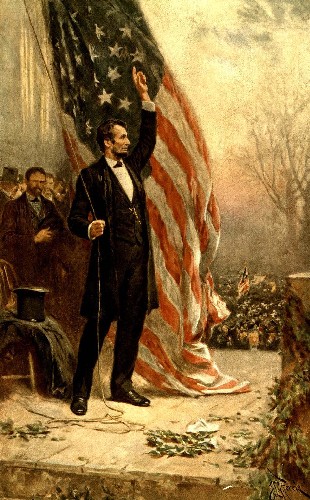
In The Prairie Years, the great American poet and biographer Carl Sandburg told a story about Abraham Lincoln and gingerbread, a story that Abe had told in his famed debates with Stephen A. Douglas in 1858. According to Sandburg, this is how Lincoln’s “Gingerbread Story” unfolded:

“When we lived in Indiana,” Lincoln said, “once in a while my mother used to get some sorghum and ginger and make some gingerbread. It wasn’t often and it was our biggest treat. One day I smelled the gingerbread and came into the house to get my share while it was still hot. My mother had baked me three gingerbread men. I took them out under a hickory tree to eat them.

There was a family near us poorer than we were and their boy came along as I sat down. ‘Abe,’ he said, ‘gimme a man.’ I gave him one. He crammed it into his mouth in two bites and looked at me while I was biting the legs off my first one. ‘Abe, gimme that other’n.’ I wanted it myself, but I gave it to him and as it followed the first, I said to him, ‘You seem to like gingerbread.’ ‘Abe,’ he said, ‘I don’t s’pose anybody on earth likes gingerbread better’n I do — and gets less’n I do...’”


Lincoln’s childhood recollection charmed the audience – and readers of widely published newspaper accounts. Years later, Lincoln reportedly repeated the story in the White House, mentioning details of the recipe his mother may have used. Although her recipe has been lost to posterity, this one from the Food Network is simple to prepare and great to share with family and friends during the holidays.

4 1/2 cups all-purpose flour
1 tablespoon ground cinnamon
2 teaspoons ground ginger
1/2 teaspoon cloves
1/4 teaspoon baking soda
1/2 cup butter, softened
1/2 cup packed brown sugar
2 large eggs
3/4 cup molasses

Directions

Sift the flour, cinnamon, ginger, cloves, and baking soda in a bowl.

In a large mixing bowl, blend the butter and brown sugar until combined. Add the eggs, 1 at a time, and then the molasses. Slowly add the flour mixture. Mix well after each addition of flour. The dough will be stiff.

Divide dough in half, flatten into 2 thick circles and wrap in plastic wrap. Refrigerate for 2 hours or until firm enough to roll out. Preheat oven to 350 degrees F. Roll out, cut into desired shapes and bake until golden brown.

Friday, October 10, 2014

Abraham Lincoln Kentucky Corncakes

Abraham Lincoln and his wife Mary were great animal lovers and allowed their four young sons to keep all sorts of pets on White House grounds. Among other animals, Abe and his family had three cats, a dog named Fido, rabbits, horses, and two rambunctious billygoats named Nanny and Nunko.

Another was a wild turkey named Jack with whom Lincoln’s youngest son Tad played with daily. When it came time for Jack to be sacrificed for a holiday dinner, Tad supposedly begged his dad to spare the turkey’s life, and, to this day, the White House maintains the tradition of pardoning a wild turkey each holiday season!

Although it’s a "tad" early to be thinking about preparing your next holiday dinner, you can whip up a batch of Kentucky Corncakes, which are a great side dish at just about any meal and were a Lincoln family favorite. If you’d like to make some Kentucky Corncakes today, here is a simple and simply delicious recipe to try from the Food Network:

1 cup roasted cornmeal (fine ground yellow cornmeal)
1 cup self-rising flour
4 tablespoons sugar
2 eggs
2 cups buttermilk
3 ounces corn oil
2 cups fresh corn kernels

Place cornmeal, flour, and sugar in a bowl and mix together. In a separate bowl, combine eggs, buttermilk, corn oil, and fresh corn and mix together. Fold mixtures together. Place 4 ounces of pancake mix onto a hot griddle. Cook on medium high heat for 4 minutes on each side, until cooked through. Serve warm with lots of butter and honey enjoy!

FAST FACT: According to historians at the Miller Center, the Lincoln family's routine in the White House reflected "the presence of their sons, the demands of war, and the highly complex and many-sided character of Abraham and Mary. [T]he day went from breakfast together as a family at 8:00 in the morning, reunion again for dinner at 8:00 in the evening, and then bedtime. Until little Willie's death in 1862, the two younger sons demanded a good deal of attention, and both parents gave them ample attention, although Lincoln grew more distant as the war progressed and occupied much of his day."

Thursday, January 23, 2014

Benjamin Harrison and the American Corn Belt

Now please don't tell People magazine or TMZ, but Benjamin Harrison and his wife Caroline were reportedlty "corn-addicts," which isn’t surprising since they were born in Ohio and lived for many years in Indiana, two of the states that make up the American Corn-Belt, which produces more than half of the corn grown each year in the United States.

The other states that make up the Corn-Belt include Iowa and Illinois and parts of Kansas, Nebraska, Minnesota, and Missouri. Experts say that the warm nights, hot days, and well-distributed rainfall of the region during the growing season are ideal conditions for raising this highly versatile vegetable.

And did you know that more than half of the corn grown in the United States is used to feed cattle, sheep, chickens, hogs and other livestock? The rest is used to produce an astonishingly wide array of consumer foods and products, including ketchup, crayons, soap, detergent, cough syrup, marshmallows, graham crackers, pancake mix, chewing gum, soft drinks, toothpaste, salad dressings, breakfast cereals, licorice, disposable diapers, shoe polish, paint, peanut butter, and, of course, popcorn.

Although the popcorn that Harrison ate was nothing like the microwavable kind we are familiar with today, biographers say that he was fond of such traditional midwestern dishes as Corn Muffins, Stewed Corn, and Green-Corn Fritters. And being the "corn-addict" that he was, he surely would have enjoyed this delicious recipe for Corn Chowder from the Food Network's Paula Dean:

1 cup (2 sticks) butter
1 small onion, diced
1 small carrot, finely diced
1 small celery stalk, diced
1 clove garlic, minced
1/2 cup all-purpose flour
3 cups white corn kernels, fresh or frozen
3 cups chicken stock
2 cups half-and-half
Pinch freshly grated nutmeg
Kosher salt and freshly ground black pepper

Melt 1 stick of butter in a large saucepan over medium heat. Add the onion, carrot, celery, and garlic, and saute for 2 minutes. Add the flour and stir to make a roux. Cook until the roux is lightly browned; set aside to cool to room temperature.

Meanwhile, combine the corn and chicken stock in another saucepan, and bring to a boil. Simmer for 10 minutes. Pour the boiling stock with the corn (a little at a time) into the saucepan with the roux, whisking briskly so it doesn't lump. Return the skillet to the heat and bring to a boil. The mixture should become very thick.

In a small saucepan, gently heat the half-and-half; stir it into the thick corn mixture. Add the nutmeg and salt and pepper, to taste. Just before serving, cut the remaining stick of butter into large chunks. Add it to enrich the soup, stirring until the butter melts.

FOOD FACT: Popcorn's ability to "pop" lies in the fact that corn kernels contain a tiny amount of water stored in a circle of soft starch inside a hard outer casing. When heated to a high enough temperature, the water expands which exerts an increasing amount of pressure until the outer casing eventually gives way and the kernels explode, or “pop,” allowing the water to escape as steam and turning the kernels inside out!

Credit: Oil Portrait of Benjamin Harrison (1895), Eastman Johnson, White House Historical Association (White House Collection)

Friday, December 27, 2013

Andrew Johnson Hoppin' John

At the end of the Civil War, the South lay in ruins. Southern plantations and entire cities had been destroyed during the war. Without food, many southerners starved to death, and some of those who survived lost everything they owned.

As a result, the government had to figure out how to rebuild the South. As president, Johnson took charge of the first phase of Reconstruction. But his attempt to quickly readmit the former Confederate states into the union and his vetoes of important civil rights bills outraged Radical Republicans in Congress.

The House of Representatives impeached Johnson in 1868, but he was acquitted by a single vote in the Senate. Historians say that Johnson’s victory “marked the beginning of an ambitious series of receptions, dinners and children’s parties that would turn the last nine months of his term into an ongoing celebration.”

After leaving office, Johnson returned to his native state of Tennessee where he probably consumed such traditional southern foods as Benne Wafers, Hoppin’ John and Pine Bark Stew. Still popular in the south, Hoppin' John is often the high point of New Year's Day festivities and is thought to bring good luck throughout the coming year. If you'd like to whip up some Hoppin' John, you can't go wrong with this quick and delicious recipe from Emeril Lagasse.

1 tablespoon olive oil
1 large ham hock
1 cup onion, chopped
1/2 cup celery, chopped
1/2 cup green pepper, chopped
1 tablespoon chopped garlic
1 pound black-eyed peas, soaked overnight and rinsed
1 quart chicken stock
1 Bay leaf
1 teaspoon dry thyme leaves
Salt, black pepper, and cayenne
3 tablespoons finely chopped green onion
3 cups steamed white rice

Heat oil in a large soup pot, add the ham hock and sear on all sides for 4 minutes. Add the onion, celery, green pepper, and garlic, and cook for 4 minutes. Add the black-eyed peas, stock, bay leaves, thyme, and seasonings.

Bring to a boil, reduce the heat and simmer for 40 minutes, or until the peas are creamy and tender, stir occasionally. If the liquid evaporates, add more water or stock. Adjust seasonings, and garnish with green onions. Serve over rice and enjoy!

Thursday, December 1, 2011

Abraham Lincoln Gingerbread Men Cookies

In The Prairie Years, the great American poet and biographer Carl Sandburg told a story about Abraham Lincoln and gingerbread, a story that Abe had told in his famed debates with Stephen A. Douglas in 1858. According to Sandburg, this is how Lincoln’s “Gingerbread Story” unfolded:

“When we lived in Indiana,” Lincoln said, “once in a while my mother used to get some sorghum and ginger and make some gingerbread. It wasn’t often and it was our biggest treat. One day I smelled the gingerbread and came into the house to get my share while it was still hot. My mother had baked me three gingerbread men. I took them out under a hickory tree to eat them.

There was a family near us poorer than we were and their boy came along as I sat down. ‘Abe,’ he said, ‘gimme a man.’ I gave him one. He crammed it into his mouth in two bites and looked at me while I was biting the legs off my first one. ‘Abe, gimme that other’n.’ I wanted it myself, but I gave it to him and as it followed the first, I said to him, ‘You seem to like gingerbread.’ ‘Abe,’ he said, ‘I don’t s’pose anybody on earth likes gingerbread better’n I do — and gets less’n I do...’”


Lincoln’s childhood recollection charmed the audience – and readers of widely published newspaper accounts. Years later, Lincoln reportedly repeated the story in the White House, mentioning details of the recipe his mother may have used. Although her recipe has been lost to posterity, this one from the Food Network is simple to prepare and great to share with family and friends during the holidays.

4 1/2 cups all-purpose flour
1 tablespoon ground cinnamon
2 teaspoons ground ginger
1/2 teaspoon cloves
1/4 teaspoon baking soda
1/2 cup butter, softened
1/2 cup packed brown sugar
2 large eggs
3/4 cup molasses
Directions
Sift the flour, cinnamon, ginger, cloves, and baking soda in a bowl.

In a large mixing bowl, blend the butter and brown sugar until combined. Add the eggs, 1 at a time, and then the molasses. Slowly add the flour mixture. Mix well after each addition of flour. The dough will be stiff.

Divide dough in half, flatten into 2 thick circles and wrap in plastic wrap. Refrigerate for 2 hours or until firm enough to roll out. Preheat oven to 350 degrees F. Roll out, cut into desired shapes and bake until golden brown.

Wednesday, October 5, 2011

Theodore Roosevelt, Muckrakers, and the "Monarchical Manners" of the White House

In keeping with the progressive, muckraking nature of the times, a journalist for Harper's Weekly complained about "the monarchical manners" of the White House during Theodore Roosevelt's administration.

In particular, the journalist alleged that "since Mr. Roosevelt became President there have been witnessed behind the White House doors an exclusiveness, a rigor of etiquette, and a display of swords and gold braid such as no one of his predecessors ever dreamed of...The atmosphere of the White House, once democratic and free, has become tainted with the manners of monarchy."

Similar criticisms were expressed in a June 1906 Washington Post column in which Roosevelt was condemned for indulging in extravagant dining practices at the White House. Responding to the allegations, a spokesman for the president sent a letter to the Post which appeared the next day:

When anyone endeavors to create a widespread impression that the President and his family sit down to a four or five course breakfast, a six or seven course luncheon, and a ten-course dinner, the President feels that a denial is not inappropriate. Instead of a breakfast consisting of oranges, cantaloupes, cereals, eggs, bacon, lamb chops, hot cakes, and waffles, President Roosevelt insists that the regular White House breakfast consists of hard boiled eggs, rolls, and coffee.

Instead of a luncheon of such delicious viands as Little Neck clams, stuffed olives, celery, consommé of chicken, fish sauté, eggs a la turque, Spring lamb, new string beans, asparagus, mashed potatoes, lettuce, tomatoes, strawberries and ice cream, President Roosevelt declares that when alone he always contents himself with a bowl of bread and milk.

When Mrs. Roosevelt or the children are present, the luncheon consists of cold meat, tea, cantaloupe in season, and bread. Instead of a ten-course dinner, the President declares that nine times out of ten a three-course dinner is served, and the other time a two-course dinner.


Despite the muckrakers' monarchical allegations, Roosevelt's reputation inside the White House was that of a simple family man. Ike Hoover served in the White House for forty-two years, eventually serving as Chief Usher in charge of day-to-day operations. In his memoirs, published in 1934, Hoover provided insight into the Roosevelt family’s daily dining habits:

The entire family [sat] down [for] breakfast at eight o'clock. After breakfast the President spent an hour or so in his study, perhaps reading, while Mrs. Roosevelt arranged the details of the day's program. The President went to his office at nine-thirty or ten o'clock, and Mrs. Roosevelt for a walk or shopping...All returned just about in time for lunch. Those famous lunches!

Something indeed was wrong when there were not two or more guests for this meal. To prepare properly for a certain number was almost a physical impossibility, for notice was continually coming from the office that someone had been invited at the last minute, and many times the family and guests had to wait until the table was made larger before they could be seated. The place was really a transient boardinghouse, and how every one got enough to eat was the wonder of the household...


Although Hoover didn't mention what particular dishes were served at those famous Roosevelt luncheons, researchers tell us that TR's diet consisted of "quite a bit of game from hunting expeditions" and that he was also fond of Southern Fried Chicken with White Gravy and Grits. If you'd like to whip up some Southern Fried Chicken for your next family luncheon or dinner this week, here's a simple and simply delicious recipe to try from Paula Dean:

3 eggs
1/3 cup water
About 1 cup hot red pepper sauce
2 cups self-rising flour
1 teaspoon pepper
House seasoning, recipe follows
1 (1 to 2 pound) chicken, cut into pieces
Oil, for frying, preferably peanut oil

In a medium size bowl, beat the eggs with the water. Add enough hot sauce so the egg mixture is bright orange. In another bowl, combine the flour and pepper. Season the chicken with the house seasoning. Dip the seasoned chicken in the egg, and then coat well in the flour mixture. Heat the oil to 350 degrees F in a deep pot. Do not fill the pot more than 1/2 full with oil. Fry the chicken in the oil until brown and crisp. Dark meat takes longer then white meat. It should take dark meat about 13 to 14 minutes, white meat around 8 to 10 minutes.

FAST FACT: As for the Roosevelt's evenings, Hoover noted that "it was more to the liking of the family to spend a quiet evening in the library, either playing cards or reading the current magazines. The whole family were fiends when it came to reading. No newspapers. Never a moment was allowed to go to waste; from the oldest to the youngest they always had a book or a magazine before them. The President...would just devour a book and it was no uncommon thing for him to go entirely through three or four volumes in the course of an evening. Likewise we frequently saw one of the children stretched out on the floor flat on his stomach eating a piece of candy and with his face buried deep in a book."

Wednesday, June 8, 2011

Abraham Lincoln Kentucky Corncakes

Abraham Lincoln and his wife Mary were great animal lovers and allowed their four young sons to keep all sorts of pets on White House grounds. Among other animals, Abe and his family had three cats, a dog named Fido, rabbits, horses, and two rambunctious billygoats named Nanny and Nunko.

Another was a wild turkey named Jack with whom Lincoln’s youngest son Tad played with daily. When it came time for Jack to be sacrificed for a holiday dinner, Tad supposedly begged his dad to spare the turkey’s life, and, to this day, the White House maintains the tradition of “pardoning” a wild turkey each holiday season!

Although it’s a "tad" early to be thinking about preparing your next holiday dinner, you can whip up a batch of Kentucky Corncakes, which are a great side dish at just about any meal and were a Lincoln family favorite. If you’d like to make some Kentucky Corncakes today, here is a simple and simply delicious recipe to try from the Food Network:

1 cup roasted cornmeal (fine ground yellow cornmeal)
1 cup self-rising flour
4 tablespoons sugar
2 eggs
2 cups buttermilk
3 ounces corn oil
2 cups fresh corn kernels

Place cornmeal, flour, and sugar in a bowl and mix together. In a separate bowl, combine eggs, buttermilk, corn oil, and fresh corn and mix together. Fold mixtures together. Place 4 ounces of pancake mix onto a hot griddle. Cook on medium high heat for 4 minutes on each side, until cooked through. Serve warm with lots of butter and honey enjoy!

FAST FACT: According to historians at the Miller Center, the Lincoln family's routine in the White House reflected "the presence of their sons, the demands of war, and the highly complex and many-sided character of Abraham and Mary. [T]he day went from breakfast together as a family at 8:00 in the morning, reunion again for dinner at 8:00 in the evening, and then bedtime. Until little Willie's death in 1862, the two younger sons demanded a good deal of attention, and both parents gave them ample attention, although Lincoln grew more distant as the war progressed and occupied much of his day."

Thanks for stopping by THE HISTORY CHEF! And for a flash sale today for my book click here!

Monday, August 23, 2010

Lucy Hayes Famous Homemade Angel Cake

Historians say that “Everything in Moderation” was the motto of Rutherford B. Hayes. He reportedly drank “one cup of coffee at breakfast” and “one cup of tea at lunch.” Dinner was often chicken or steak followed by a slice of his wife Lucy’s famous homemade Angel Cake.

It has been said that Angel Food Cake got its name because "it is so white, light, and fluffy it must be the food of angels.” Although no one knows who created or named this cake, we do know that recipes with the name "Angel Food" began appearing in American cookbooks in the late nineteenth century – around the same time that mass-produced cake pans hit the market!

If you'd like to bake one of these delightfully light and fluffy cakes, here is a simple recipe to try from the Food Network's ever-energetic Alton Brown

1 3/4 cups sugar
1/4 teaspoon salt
1 cup cake flour, sifted
12 egg whites (the closer to room temperature the better)
1/3 cup warm water
1 teaspoon orange extract, or extract of your choice
1 1/2 teaspoons cream of tartar

Preheat oven to 350 degrees F. In a food processor spin sugar about 2 minutes until it is superfine. Sift half of the sugar with the salt the cake flour, setting the remaining sugar aside.

In a large bowl, use a balloon whisk to thoroughly combine egg whites, water, orange extract, and cream of tartar. After 2 minutes, switch to a hand mixer. Slowly sift the reserved sugar, beating continuously at medium speed. Once you have achieved medium peaks, sift enough of the flour mixture in to dust the top of the foam. Using a spatula fold in gently. Continue until all of the flour mixture is incorporated.

Carefully spoon mixture into an ungreased tube pan. Bake for 35 minutes before checking for doneness with a wooden skewer. (When inserted halfway between the inner and outer wall, the skewer should come out dry). Cool upside down on cooling rack for at least an hour before removing from pan.

FOOD FACT: According to Food Timeline compiler Lynne Olver, recipes for cakes similar to Angel Food (calling only for egg whites) were known by other equally descriptive names, such as Silver Cake and Snow Drift Cake. The latter recipe was included in an 1881 cookbook entitled What Mrs. Fisher Knows about Old Southern Cooking. According to Olver, Mrs. Fisher was the first freed American slave to author a cookbook in the United States.

Credit: Portrait of Lucy Hayes by Daniel Huntington, White House Historical Association (White House Collection)

Thursday, August 19, 2010

Martin Van Buren's Charming "Lady of the House"

When Martin Van Buren became president in 1837, he was a widower of nineteen years with four young bachelor sons. Dolley Madison was living nearby at the time, and historians say that when her "young relative-by-marriage Angelica Singleton came from South Carolina for a visit," the two went to the White House to "pay a call."

Angelica's "aristocratic manners, excellent education, and handsome face" quickly won the heart of the president's oldest son, Abraham. The two were married in 1838, and, after an extended honeymoon abroad, Abraham served as the president's private secretary and Angelica presided as "Lady of the House".

According to historian Poppy Cannon, Angelica did her best to lessen the formal atmosphere of the White House, though as a young mother, "she did not always find the assignment an easy one." In a letter home, Angelica candidly wrote:

My first state dinner is over; oh, such a long one, our first in the state dining room. I was the only lady at the table...I tried to be cheerful as possible, though I felt miserable all the time, as my baby was crying, and I received message after message to come to the nursery.


In addition to the rigors of hosting frequent state banquets and caring for a baby, Angelica graciously contributed many of her favorite Southern recipes to the White House kitchen. Although the president surely appreciated the assistance of his charming daughter-in-law, his tastes were deeply ingrained, and ran toward a somewhat strange combination of simple hearty Dutch fare and rich French and English dishes that he had grown accustomed to during his years serving as U.S. Minister to Britain.

With his friend Washington Irving, who was living in London at the time, Van Buren reportedly "explored old castles and abbeys, drank wassail before the Yule log in charming old taverns...and ate heartily" of the Olde English favorite, Boar's Head crowned with Holly and Rosemary.

While some of you might not be inclined to dine on a festive Boar's Head tonight, you can try this recipe for Rosemary Pork Tenderloin from the Food Network:

1/3 cup Dijon mustard
2 tablespoons freshly ground black pepper
1 tablespoon freshly chopped rosemary leaves
4 sprigs rosemary, with hard woody stems
5 large garlic cloves, 2 cloves minced, 3 cloves smashed
2 pork tenderloins, about 1-pound each
4 slices maple bacon

In a small bowl, whisk together the Dijon mustard, fresh ground black pepper, chopped rosemary, and minced garlic and mix well. Rub the mustard mixture over the surface of the tenderloins and wrap in plastic wrap. Marinate in the refrigerator for 1 hour.

Preheat oven to 375 degrees F. Place rosemary sprigs and smashed garlic in the center of a roasting pan. Remove the plastic wrap from the tenderloins and top each with 2 slices of maple bacon. Tie with kitchen twine to secure bacon strips.

Place the roasting pan in the oven and bake for 25 to 30 minutes or until an instant-read thermometer, inserted in the tenderloins, registers 160 degrees F. Remove from oven when desired doneness is reached and let sit for 5 to 10 minutes on a cutting board. Remove kitchen twine, slice and serve with your favorite sides. Garnish with the rosemary sprigs and garlic and enjoy!

Wednesday, August 11, 2010

William Henry Harrison, The Election of 1840 and "Tippicanoe and Burgoo, Too!"

During William Henry Harrison's presidential campaign, hard cider flowed so fast that he became known as the “Hard Cider Candidate.” To feed his many rowdy supporters, Harrison's cooks served an election dish called Burgoo which was made by dropping chopped vegetables into warm squirrel stew.

Hailing his victory over Tecumseh thirty years earlier, Harrison’s supporters came up with the slogan, TIPPICANOE AND TYLER, TOO!” With its shrewd and heavy use of slogans, poems, ditties, and songs, and organized picnics, rallies, bonfires, and parades, the Election of 1840 is considered to be the first modern American presidential campaign!

Of course, the custom of plying potential voters with food and drink has been practiced by politicians since George Washington's day. But it reached its zenith in the campaign of 1840, when Harrison and his lieutenants "wined and dined the populace throughout the West."

The first step, according to historian Poppy Cannon, was to erect a log cabin, then "invite all eligible males to a feast of cornbread, cheese, and hard cider." Little by little, the feasts became more elaborate, "culminating in a spread in Wheeling, West Virginia, in which 30,000 hungry voters were served 360 hams, 20 calves, 1,500 pounds of beef, 1,000 pounds of cheese, 8,000 pounds of bread and 4,500 pounds of Burgoo."

Perfected in Kentucky and popular throughout the western territories, Burgoo was the perfect election dish since it could be easily expanded to feed large crowds simply by adding more water, vegetables and squirrel meat to it. Although squirrel was once deemed essential to this classic American dish, most modern recipes, like this one for Kentucky Burgoo from Emeril Lagasse, call for beef, lamb and chicken.

2 tablespoons vegetable oil
2 pounds boneless beef shank, trimmed of excess fat
2 pound boneless lamb shoulder, trimmed of excess fat
Salt and freshly ground black pepper
2 medium onions, quartered
4 cloves peeled garlic
1 medium fresh hot red pepper, quartered
Water, to cover
1 (3 to 4 pound) whole chicken or hen, cut into 8 pieces
2 cups chopped onions
2 cups medium diced carrots
1 cup medium diced green bell peppers
1 pound baking potatoes, like russets, peeled and medium diced
2 cups peeled, seeded and chopped tomatoes
1/2 pound fresh green beans, strings removed and cut into 2-inch pieces
2 cups fresh corn kernels
2 tablespoons light brown sugar
1 tablespoon finely chopped fresh parsley leaves
Serving suggestions:
8 fresh cornbread muffins, hot
8 fresh biscuits, hot

In a large, heavy pot, over medium heat, add the oil. Season the beef and lamb with salt and pepper. When the oil is hot, sear the meat, in batches, for a couple of minutes on all sides. Add the onions, garlic, cloves, and pepper. Cover with water. (about 3 to 4 quarts). Bring to boil, reduce the heat to medium low, and simmer until tender, about 3 hours.

Season the chicken with salt and pepper. During the last 1 1/2 hours of cooking, add the chicken. Remove the meat, chicken and vegetables from the pan, set aside and cool. Discard the vegetables. Add the remaining vegetables and brown sugar to the pot of hot liquid. Continue to cook for 1 hour.

After the meat has cooled, cube the beef and lamb into 1-inch pieces. Remove the skin and bones from the chicken and discard. Dice the chicken into 1-inch pieces. Add the cubed meat and chicken to the vegetables and continue to cook for 30 minutes. Re-season if necessary. Ladle the stew into serving bowls. Serve with hot cornbread or biscuits. Garnish with parsley.

A LITTLE BACKGROUND: “Tippecanoe and Tyler, Too!” was originally a song written for Harrison and his running mate, John Tyler. Harrison was known as “Old Tippecanoe” for his military victory over the Shawnee chieftan Tecumseh at the Battle of Tippecanoe in 1811. Thirty years later, Whigs used Harrison’s nickname in a campaign song that portrayed Harrison as a “simple, homespun hero” in contrast to the Democratic candidate, Martin Van Buren, who was depicted as a wealthy elitist. Here are some of the lyrics:

Sure, let 'em talk about hard cider
and log cabins too
't'will only help to speed the ball
for Tippecanoe and Tyler too
and with him we'll beat Little Van, Van
Van is a used up man
and with him we'll beat Little Van…


Although Harrison wasn't born in a log cabin, he was the first to use one as a symbol to suggest that he was a man of humble origins. Other candidates followed his example, making the idea of a log cabin (and a non-wealthy background) a recurring theme in presidential elections for the next half century.

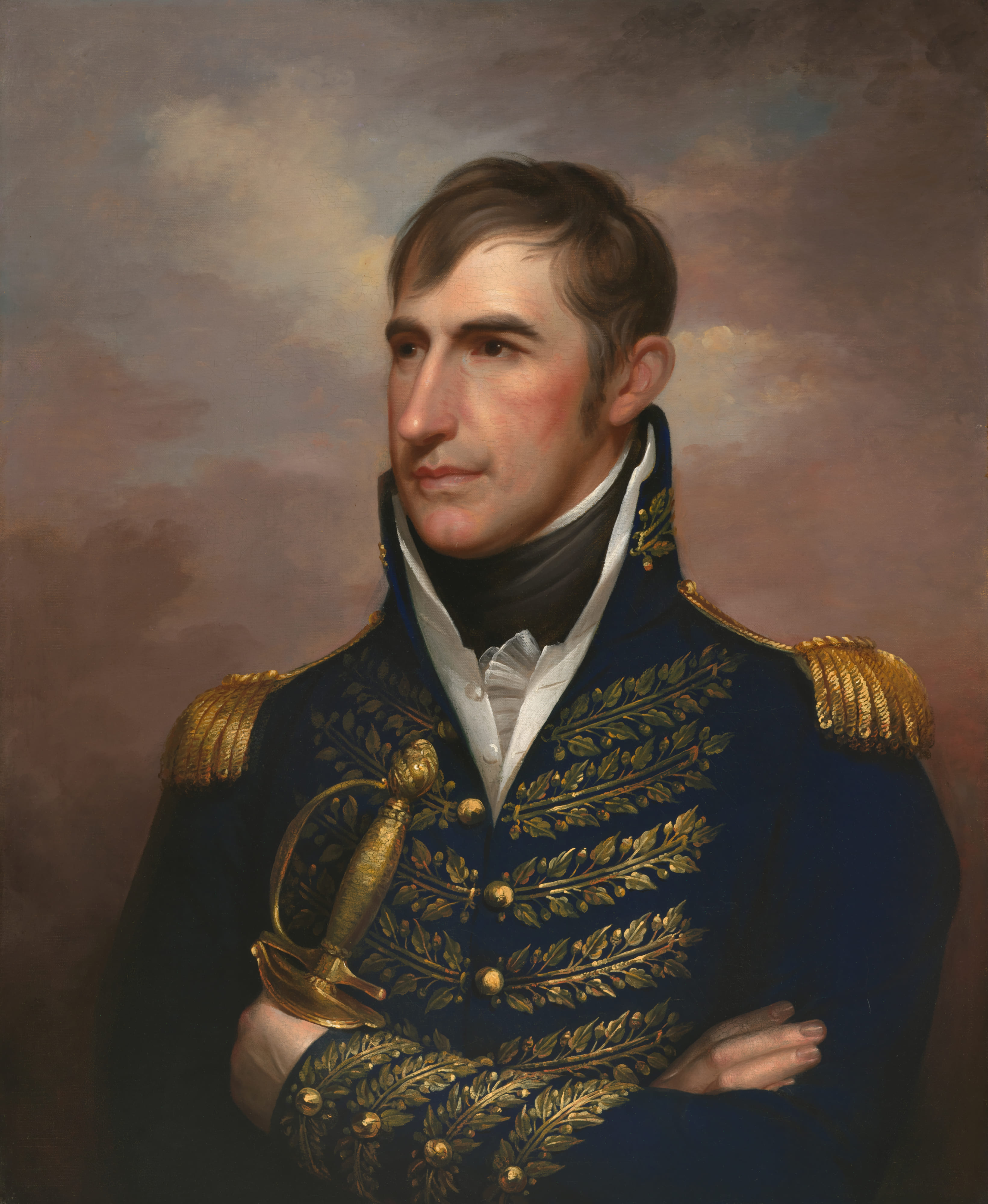
Credit: William Henry Harrison, oil on canvas by Rembrandt Peale (National Portrait Gallery, Smithsonian Institution, Washington D.C.)

Monday, August 9, 2010

Franklin Delano Roosevelt and the Mysterious Origins of Country Captain Chicken

Although they may have become accustomed to elegant State Dinners, many American presidents enjoyed a wide variety of homey dishes prepared with chicken while living in the White House. James Madison was reportedly fond of Chicken and Okra Soup, James Monroe retained a childhood taste for Chicken Pudding with Fried Rice, and it has been said that Woodrow Wilson frequently requested that Chicken Salad be put on the White House luncheon menu during his two terms of office.

But that's not all. John F. Kennedy and his wife Jackie were fond of Poulet a l'Estragon (Chicken Tarragon); Richard Nixon reportedly enjoyed his daughter Tricia's homemade Chicken Divan; Bill Clinton was, and perhaps still is, partial to chicken enchildas made with a cheese similar in texture and taste to Velveeta; and one of Franklin Delano Roosevelt's favorite dishes was reportedly Country Captain Chicken, a curried-chicken dish with mysterious origins.

In her nineteenth-century cookbook, Eliza Leslie claimed that the dish got its name from a British officer who brought the recipe back from his station in India. Others maintain that the dish originated in Savannah, Georgia, which was a major shipping port for the spice trade. In Rare Bits: Unusual Origins of Popular Recipes, Paterica Bunning Steven puts forth another other theory about the origins of this slightly spicy chicken dish:

According to an oft-repeated story, a sea-captain sailed into Charleston harbor with a shipload of spices from India. Entertained by the hostesses of a city noted for its graciousness, he repaid their kindness by teaching their capable cooks to make a delicious dish of chicken and curry. Alas for legend! A virtually identical dish is known in England, where it goes by the very same name. The captain, if there ever was one, must have been a British officer stationed in the back country of India. An English writer has noted that "country captain" is also an Anglo-Indian term from the captian of a...ship...from a foreign country. Just how or if that fits into the puzzle would be difficult to say. Another suggestion is that Country Captain may be only a corruption of "country capon."

Although no one knows exactly who created and named this dish, we do know that it has been popular throughout the south for centuries. If you'd like to try it someday, here is a simple and delicious "30-minute Recipe" from the Food Network's ever-peppy Rachel Ray:

2 3/4 cups water
1 tablespoon butter
1 1/2 cups white and wild rice or long grain rice
2/3 cup flour, eyeball it
1 rounded tablespoon sweet paprika
4 pieces, 6 ounces each, boneless, skinless chicken breast
3 boneless, skinless chicken thighs
Salt and freshly ground black pepper
2 tablespoons extra-virgin olive oil, 2 turns of the pan
2 tablespoons butter
1 green bell pepper, seeded and chopped
1 red bell pepper, seeded and chopped
1 medium onion, chopped
2 or 3 large cloves garlic, smashed
1 tablespoon curry powder or mild curry paste
1 cup chicken stock
1 can diced tomatoes in puree or chunky style crushed tomatoes
1/4 cup golden raisins or currants, a couple of handfuls
2 ounces, 1 small pouch, sliced almonds, lightly toasted
3 scallions, chopped, for garnish

Bring water to a boil in a medium saucepan. Add butter and rice and return water to a boil. Reduce heat to low and cover the pot. Cook rice 20 minutes or until tender. Turn off heat and fluff rice with a fork.

Combine flour and paprika in a shallow dish. Season chicken with salt and pepper. Cut each chicken breast and thigh in 1/2 on an angle. Coat chicken pieces in paprika seasoned flour. Wash your hands and chicken work surfaces thoroughly.

Heat a large skillet over medium high heat. Add oil to the pan. Brown chicken pieces, 3 minutes on each side, and remove from the skillet. Add butter to the pan, then stir in peppers, onions and garlic. Season the veggies with salt and pepper and saute them 5 to 7 minutes to soften.

Add curry, stock, tomatoes and raisins. Slide chicken back into the skillet and simmer over moderate heat for 5 minutes to combine flavors and finish cooking the chicken through. Place skillet on a trivet and serve the chicken from the pan. Garnish the Country Captain's chicken with sliced almonds. Transfer rice to a serving dish and garnish with chopped scallions.

FOOD FACT: So now that we know which presidents liked to eat dishes prepared with chicken, it seems only fair that we consider what chickens like and need to eat for their well-being. According to experts, chickens need grains; greens (like grass, green vegetables and weeds); protein (from bugs, worms, milk and meat); calcium (from Oyster shells); as well as Vitamins A and D, and salt. And because a chicken's weight is made up of more than fifty percent water, they need a constant supply of fresh water to "drink."

Credit: Chicks Feeding, oil on canvas by Lucy Ann Leavers